
Isabel Coixet
Roma/NewYork/Montolieu
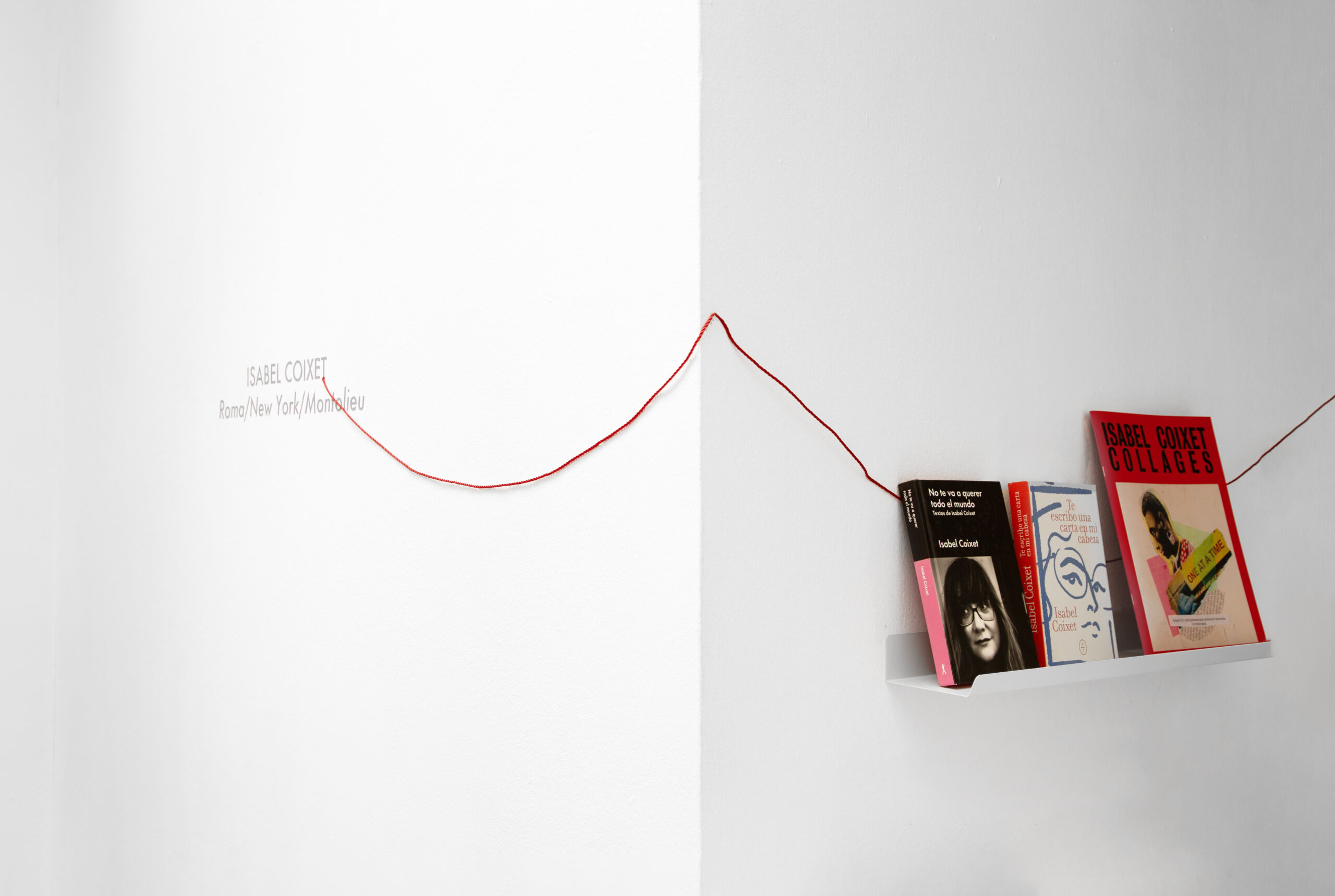
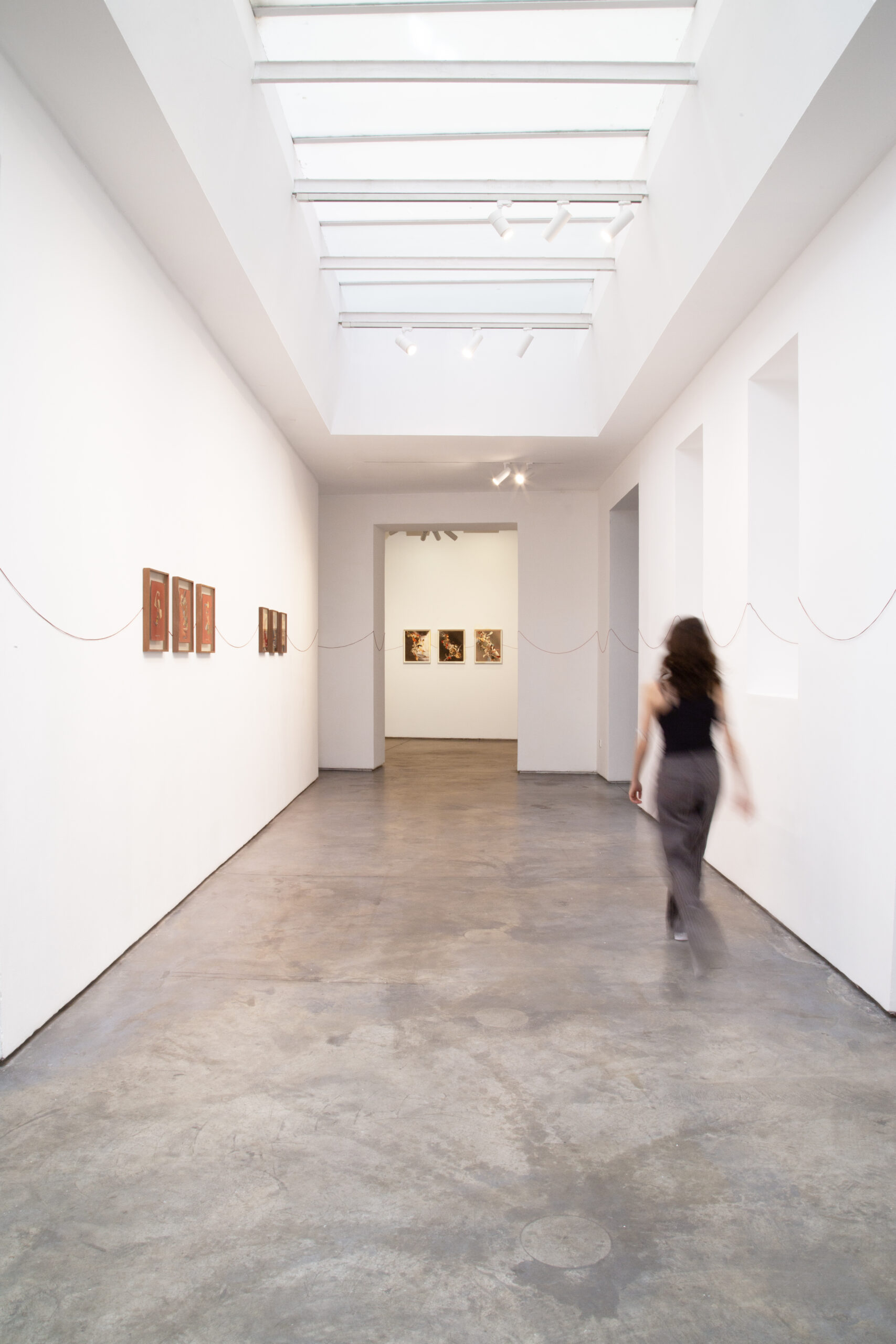
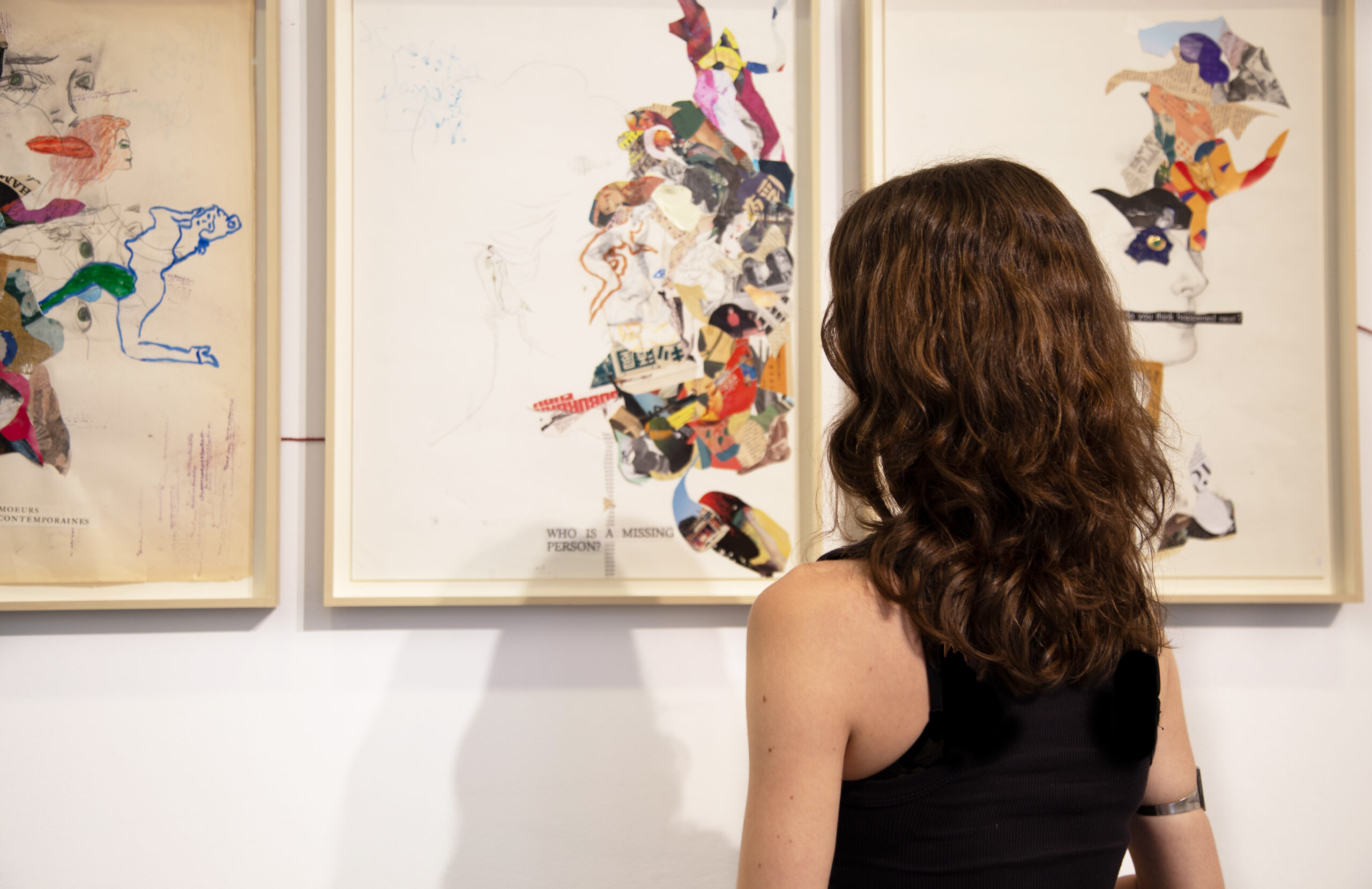
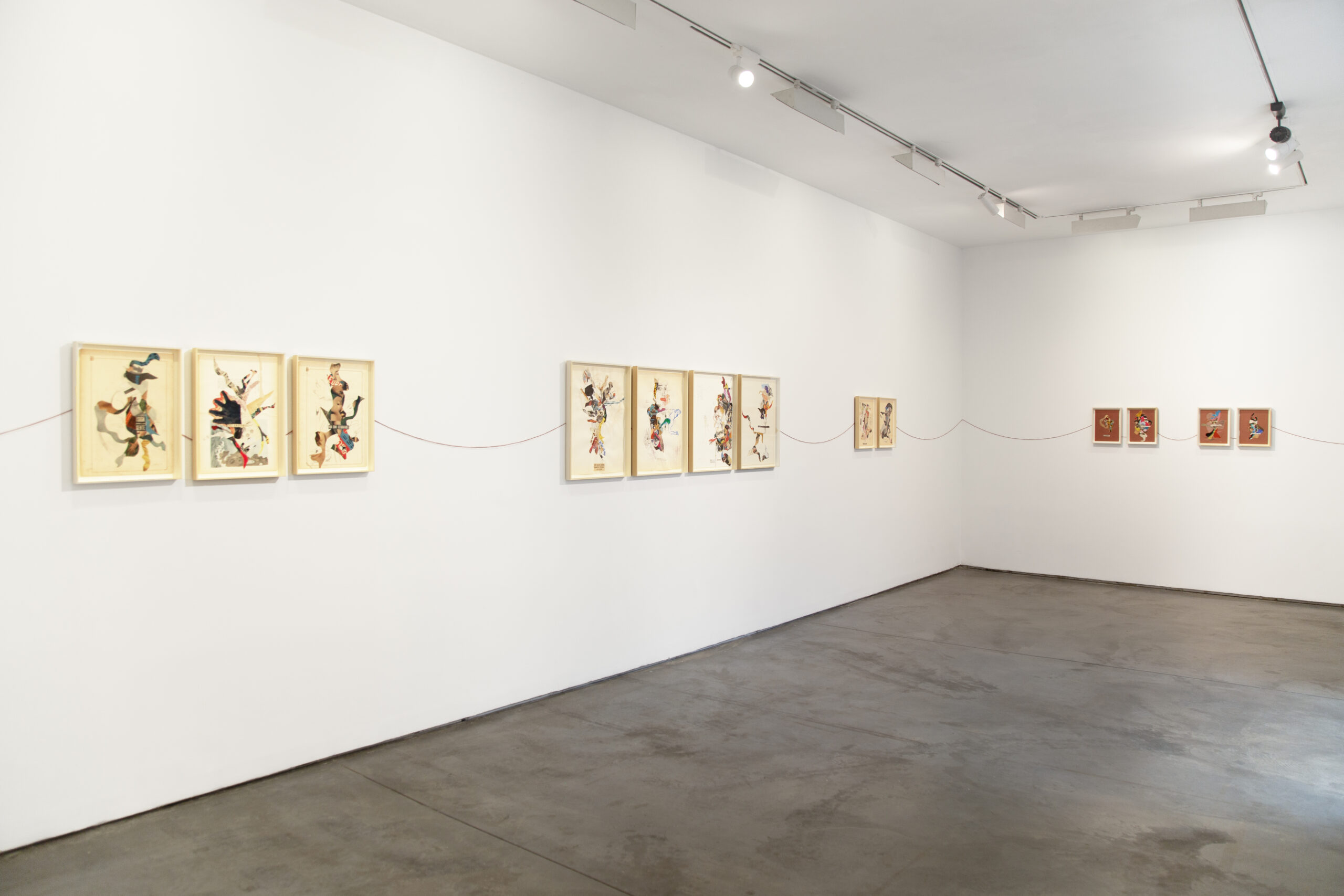
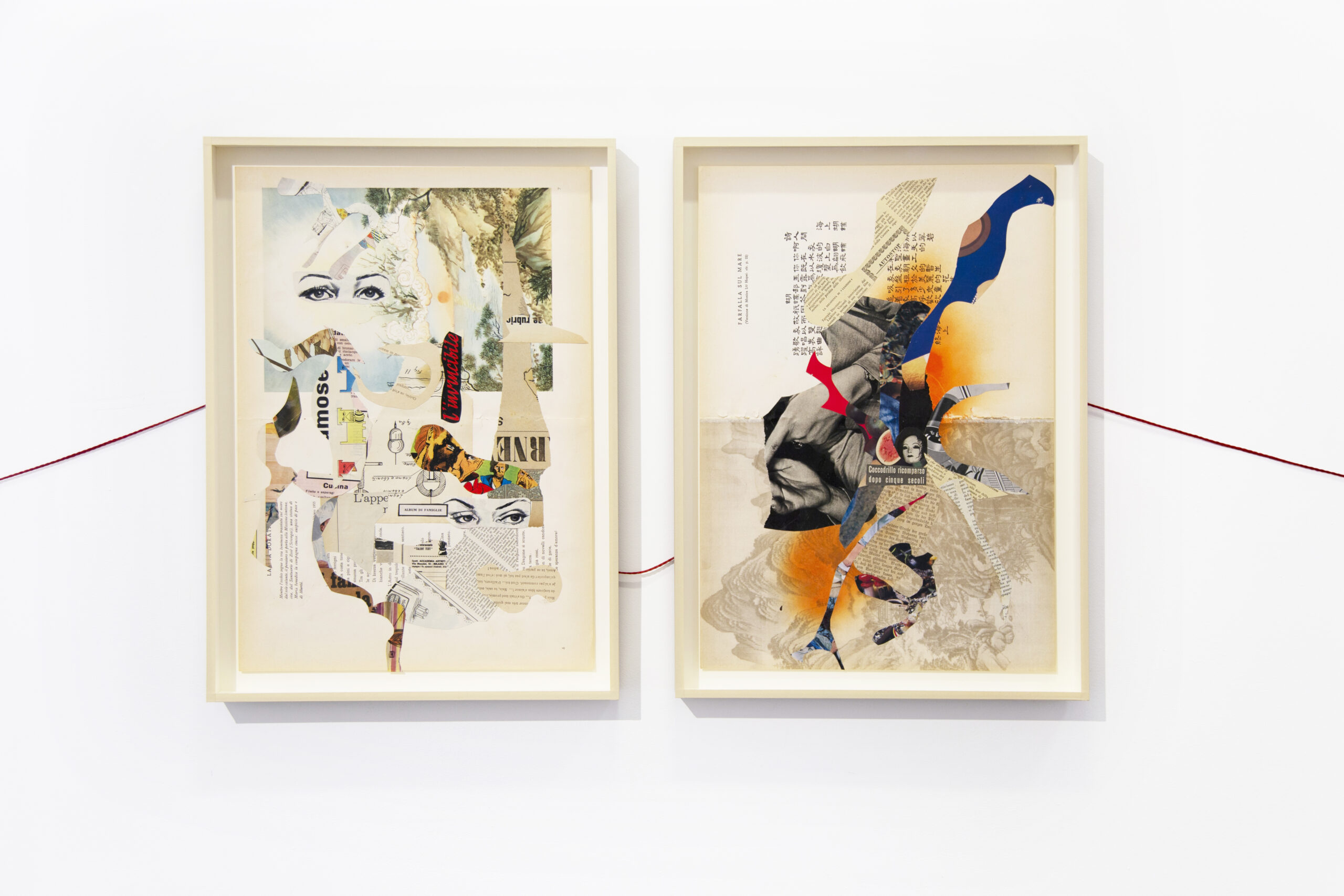
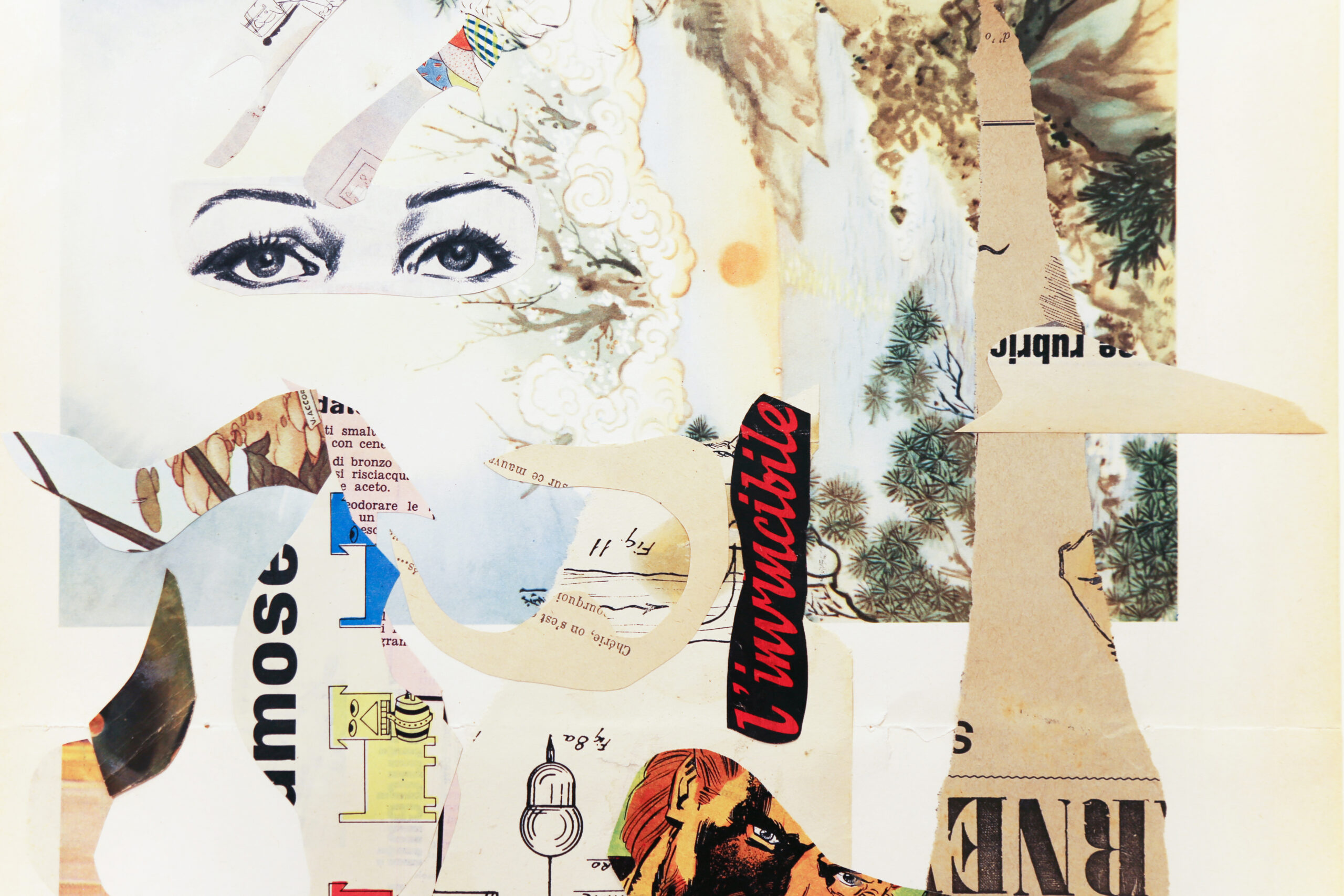
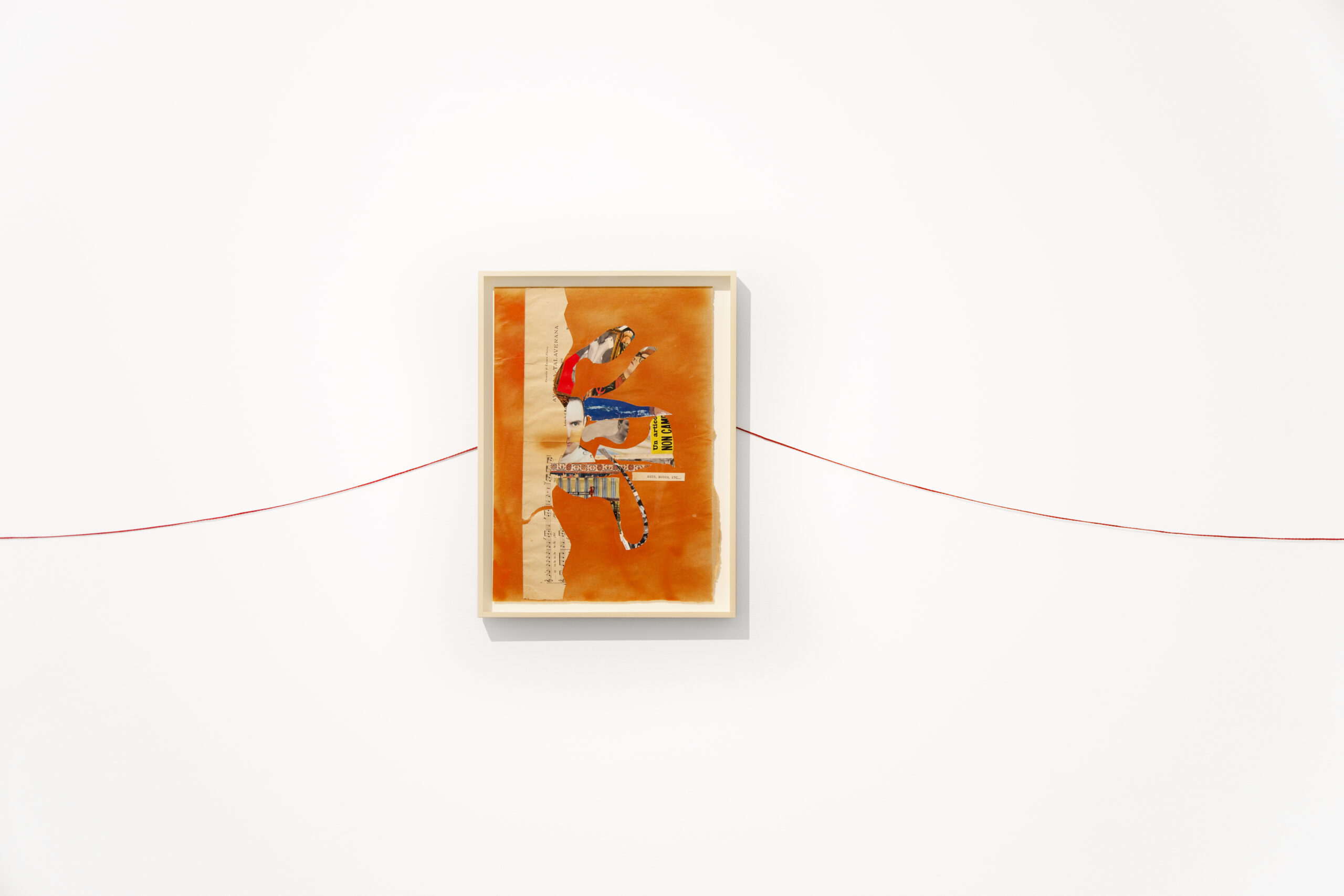
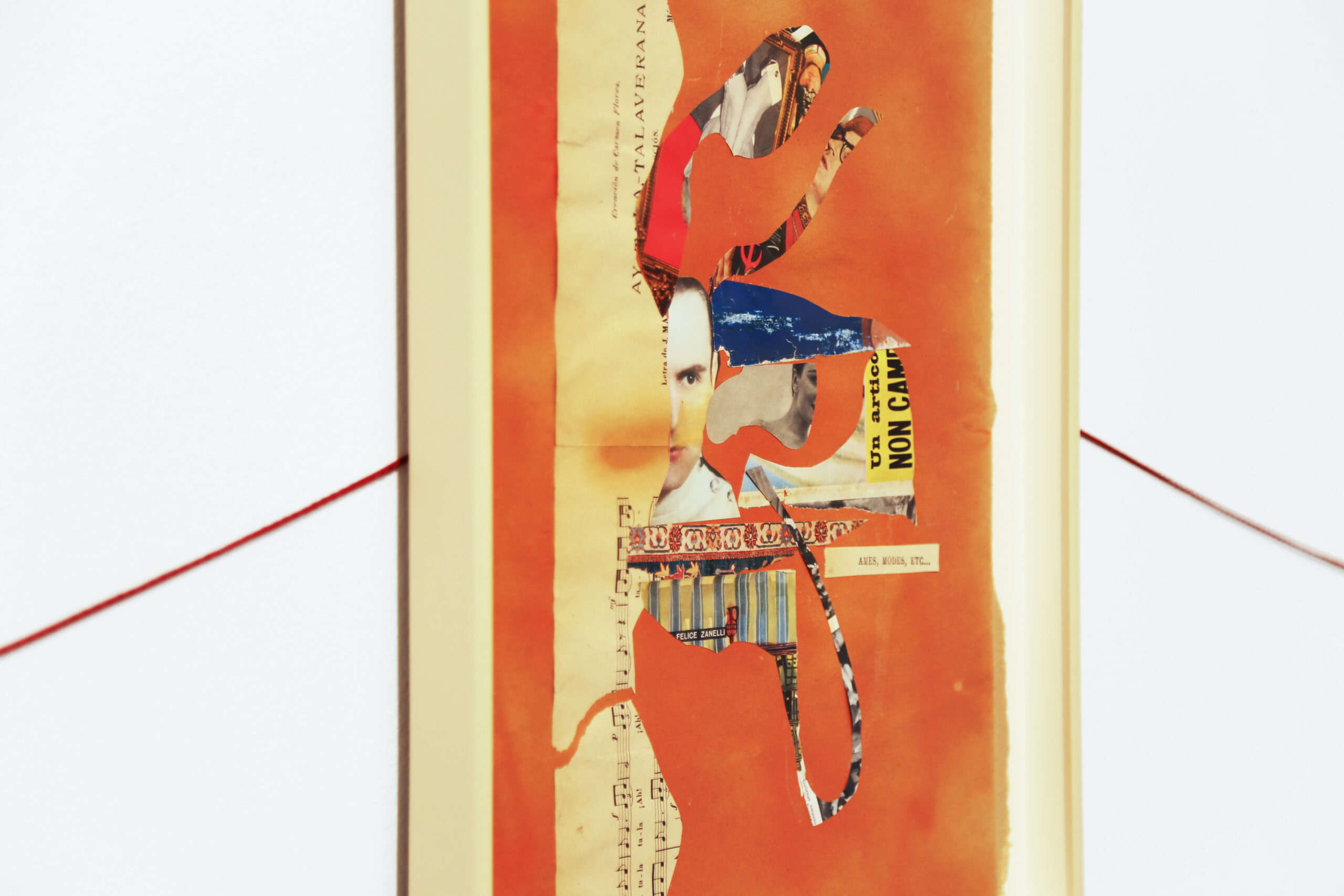
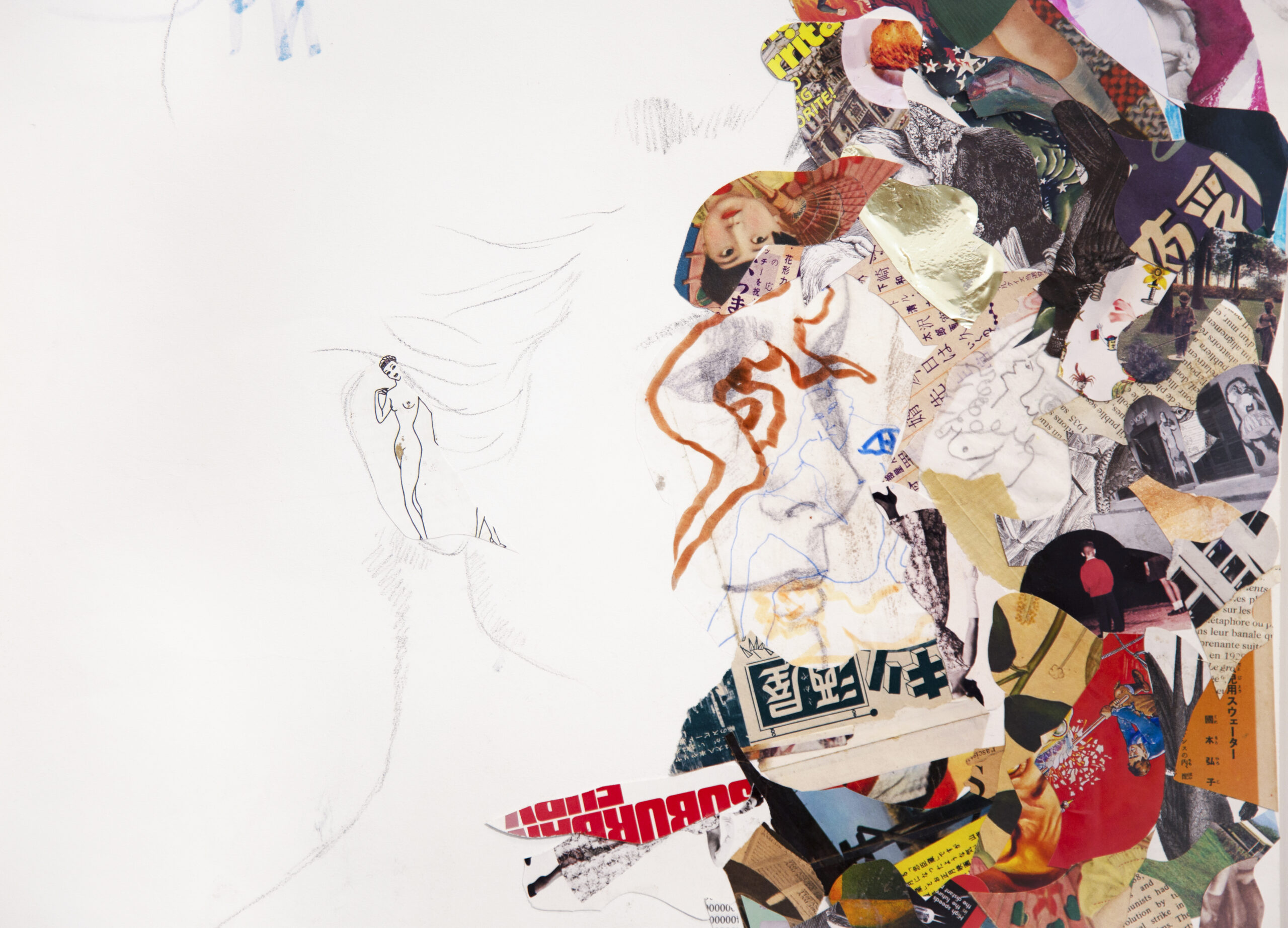
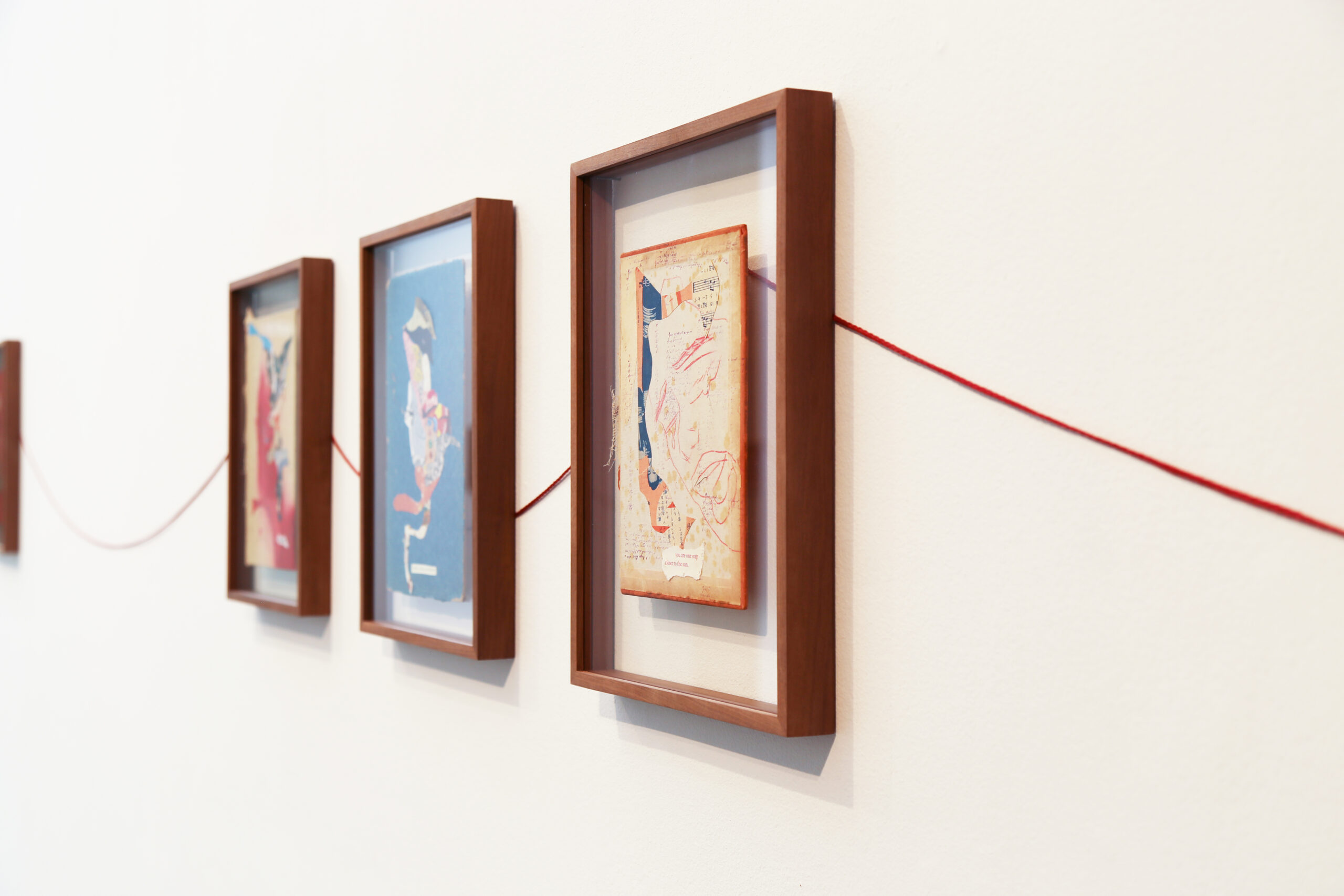
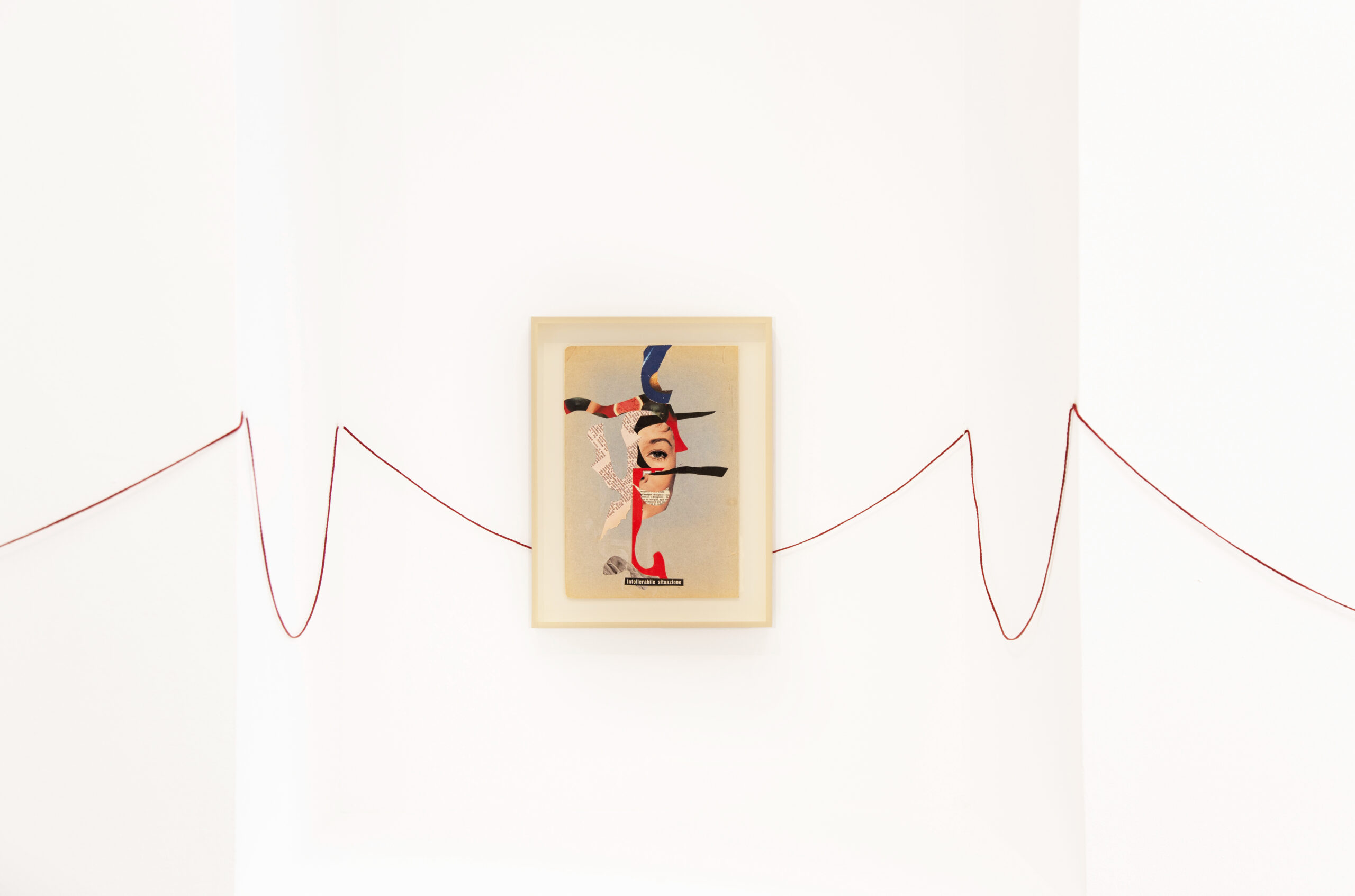
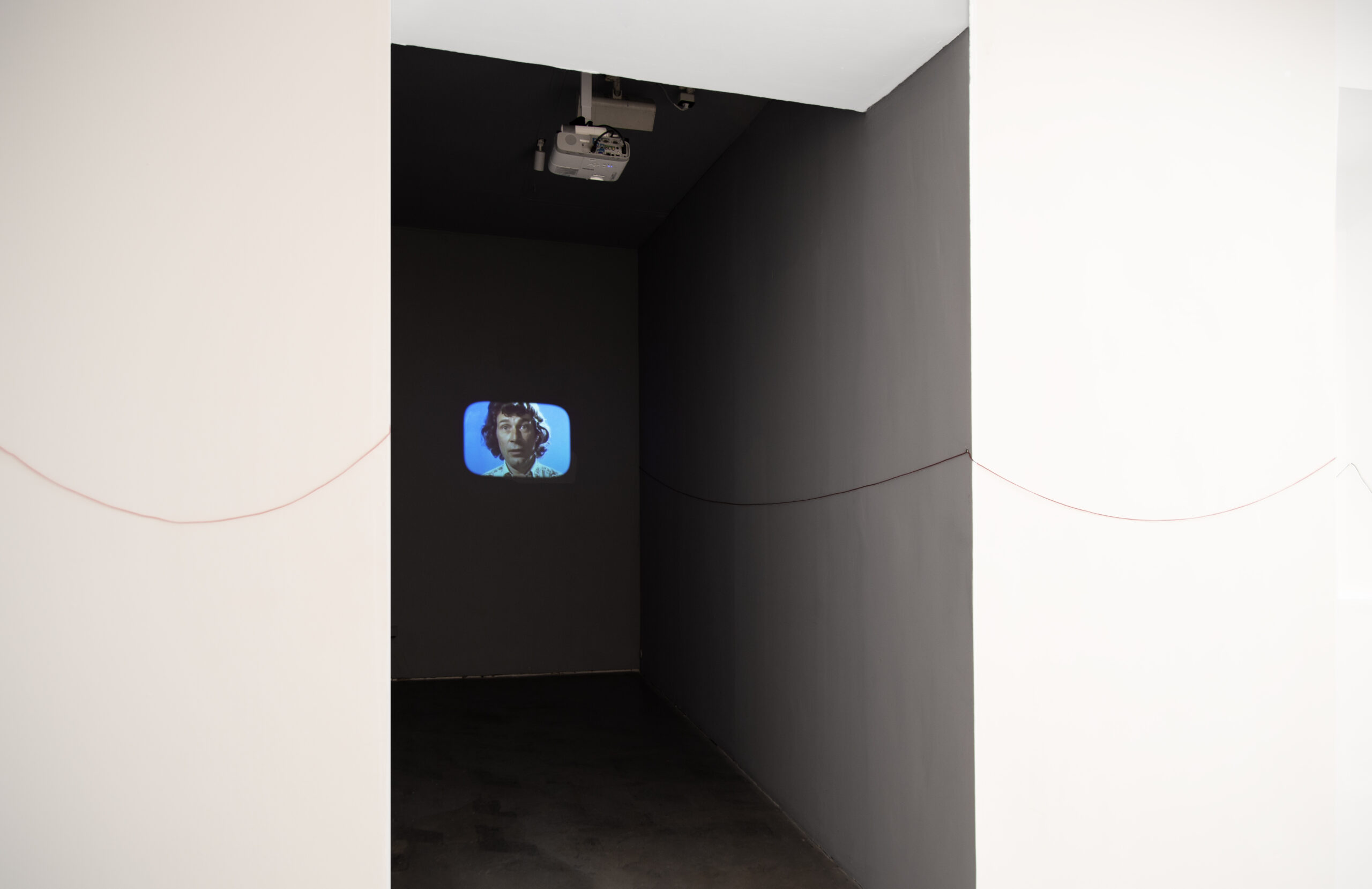
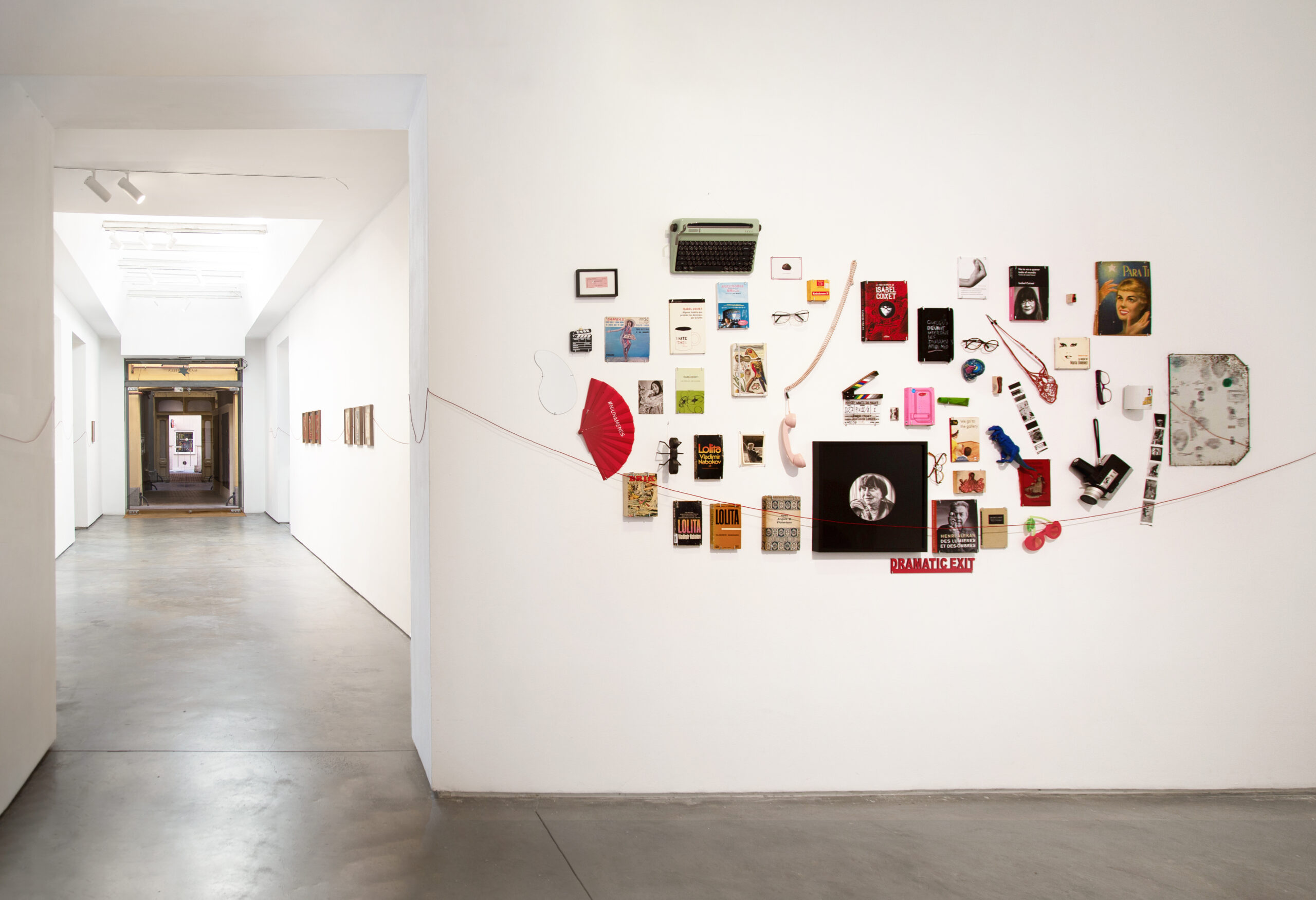
After exhibiting her works for the first time in the show Learning in Disobedience at the Museo Thyssen-Bornemisza, we are pleased to present ‘Rome/NYC/Montolieu’, filmmaker Isabel Coixet’s solo exhibition at Galería Max Estrella. The exhibition showcases her most recent work, in which Coixet explores another narrative language: collage.
‘I started making collages because I didn’t know how to draw exactly the way I wanted to. That’s the truth, although it sounds far too modest, and modesty — like garlic (my only bond with Victoria Beckham) — doesn’t suit me.
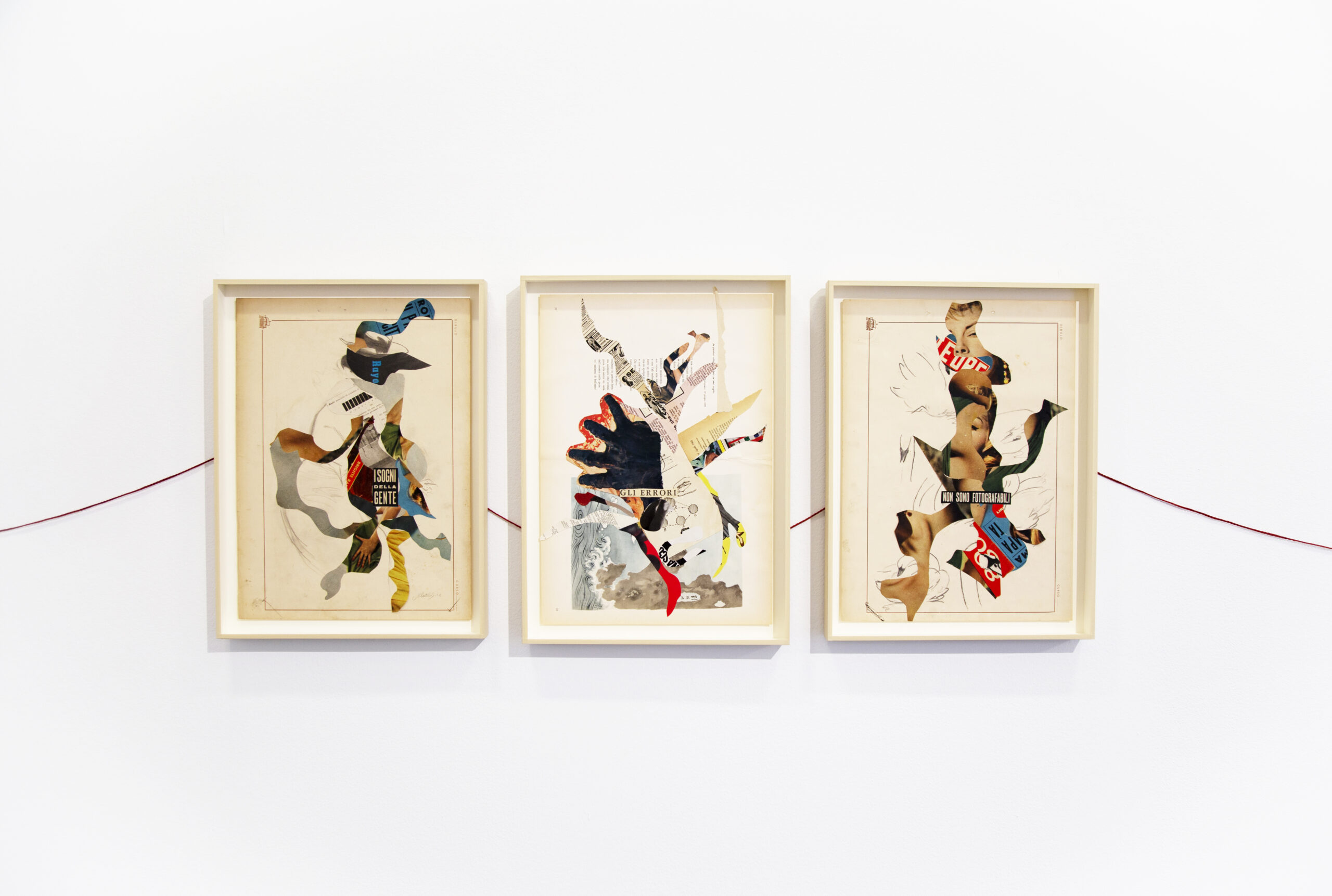
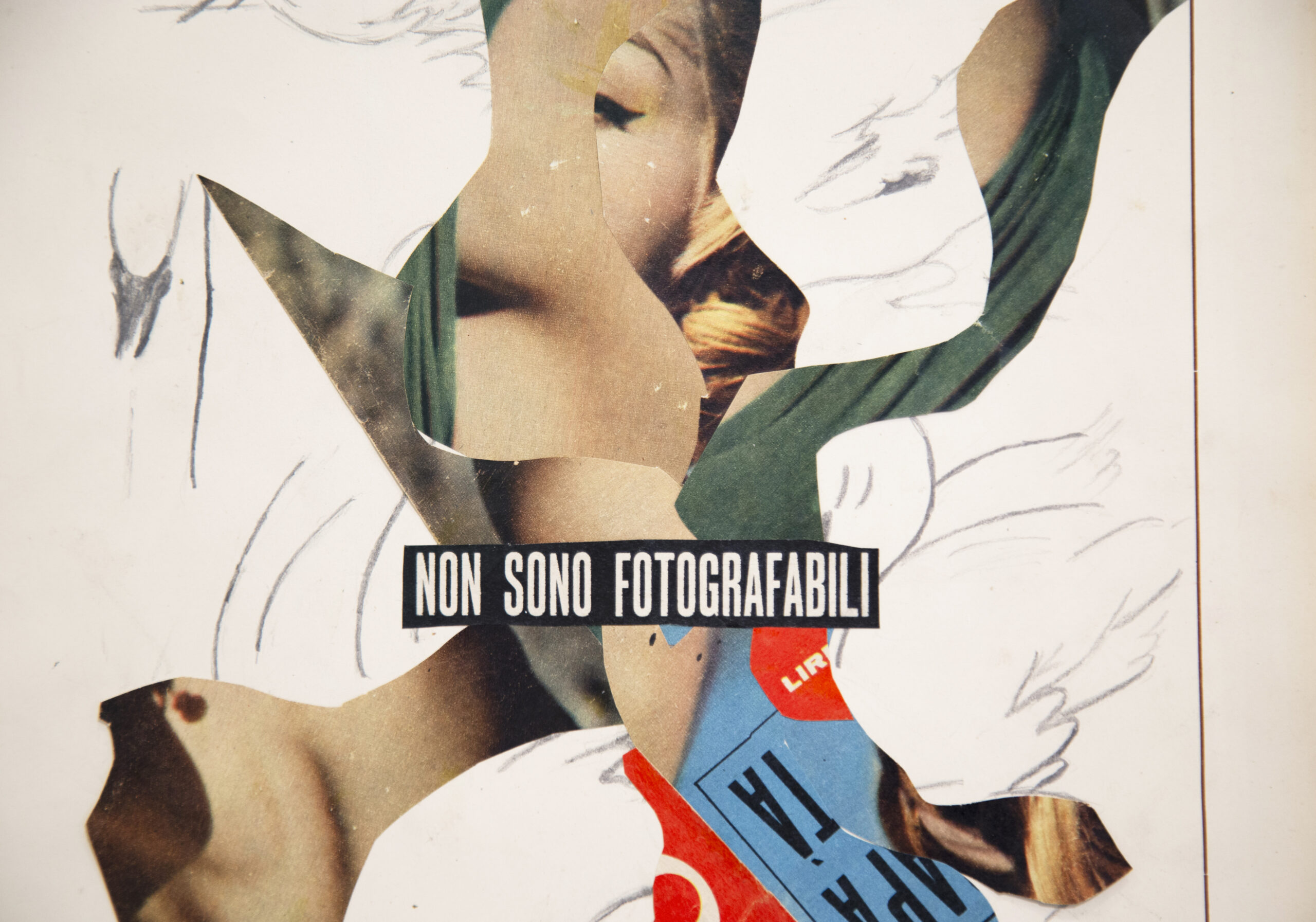
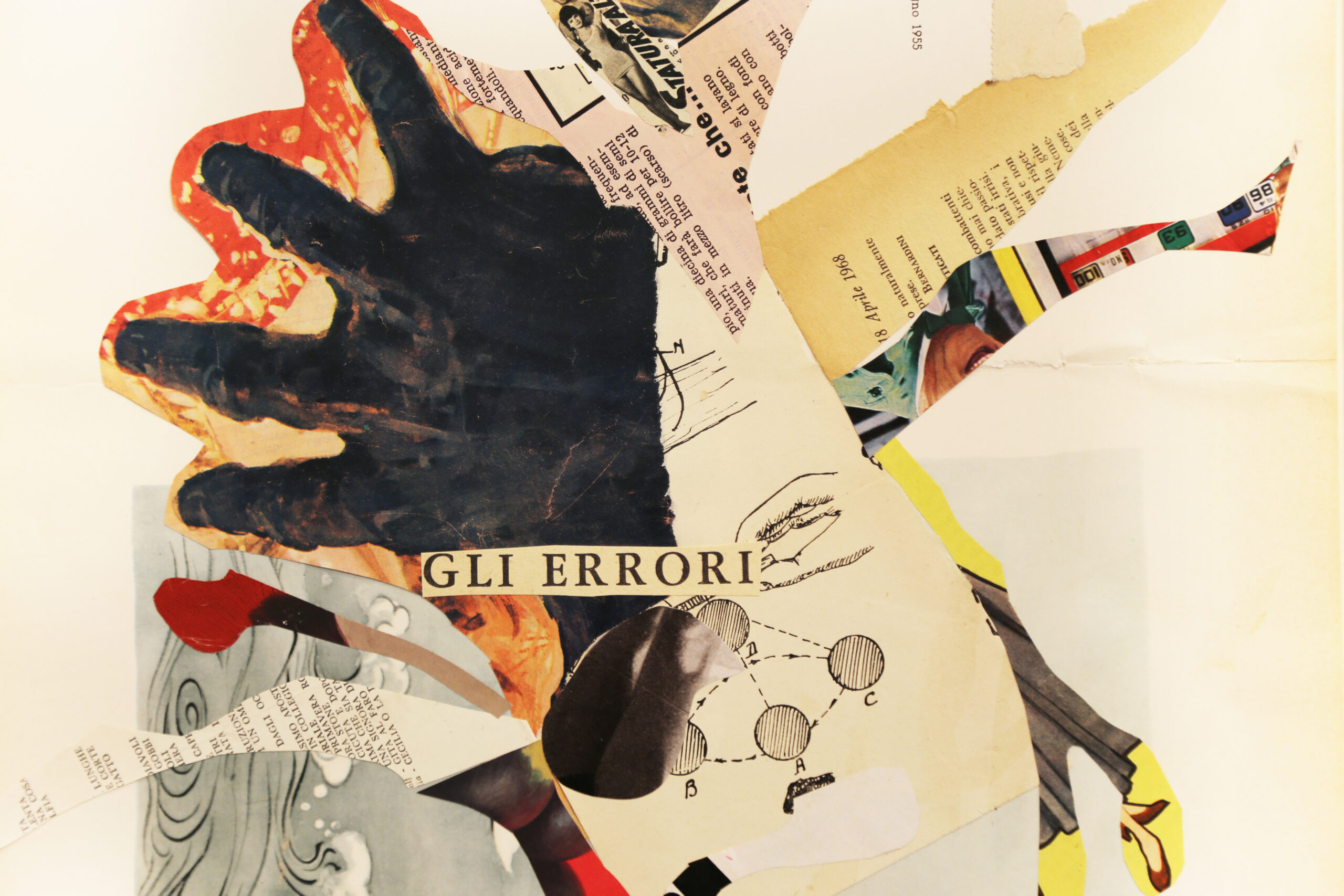
The longer truth is this: there are moments when the camera weighs too much, the script is a trap, words become difficult, and the only thing one can do is sit on the floor with a pair of scissors and attack something that already exists. Cutting things up is an act of highly controlled violence. Very civilized. You cut away what feels excessive in the world and glue it back together in an order that didn’t exist before. It is, perhaps, the least pretentious definition of what I always do, in any medium.
These collages were born in three cities that treated me in very different ways.
Rome gave me light and ruins, that Italian combination of beauty and decay that makes anything you place on top of it seem like a metaphor. In Rome, I found it hard to throw anything away. And I lived in Trastevere, just steps from Porta Portese. Everything already looked like a collage: layers of history pasted over more layers of history, election posters over opera posters over second-century marble. I merely added my own disorder on top.
New York taught me speed. There, I cut things up the way one eats standing up: urgently, without much elegance, hungry. American magazines, the magnificent fragments of books abandoned outside the brownstones in Park Slope, possess a visual generosity that nowhere else in the world has — so much color, so much skin, so much plastic, so much promise — and I devoted myself to pillaging them without remorse. New York gave me permission to be cruder, more direct, louder. I’m grateful to it for that.
Montolieu is something else entirely. Montolieu is a village in the south of France where old books pile up in the streets as though someone had overturned an entire library and nobody had been in any hurry to pick it up. There, the collages became quieter. Stranger. The images I found in Montolieu already carried a very serious previous life — botanical engravings, insect catalogues, portraits of nineteenth-century ladies who looked as though they had never broken a plate and had in fact broken everything — and I treated them with the respect owed to dead people one never knew, but senses one would have liked had one met them.
I don’t know what these pieces are. I know I can remain blocked on one of them for a month, while others emerge effortlessly. I have doubts about almost everything I do, and in that, at least, I am consistent. What I do know is that they are honest in a way very few things I make are: they pretend to be nothing, they have no second act, they seek no one’s approval. They are simply what remained when I stopped thinking and began cutting and remaking and rearranging and resignifying.
Come in. Look. And if something moves you, think that perhaps it was necessary.’
Isabel Coixet

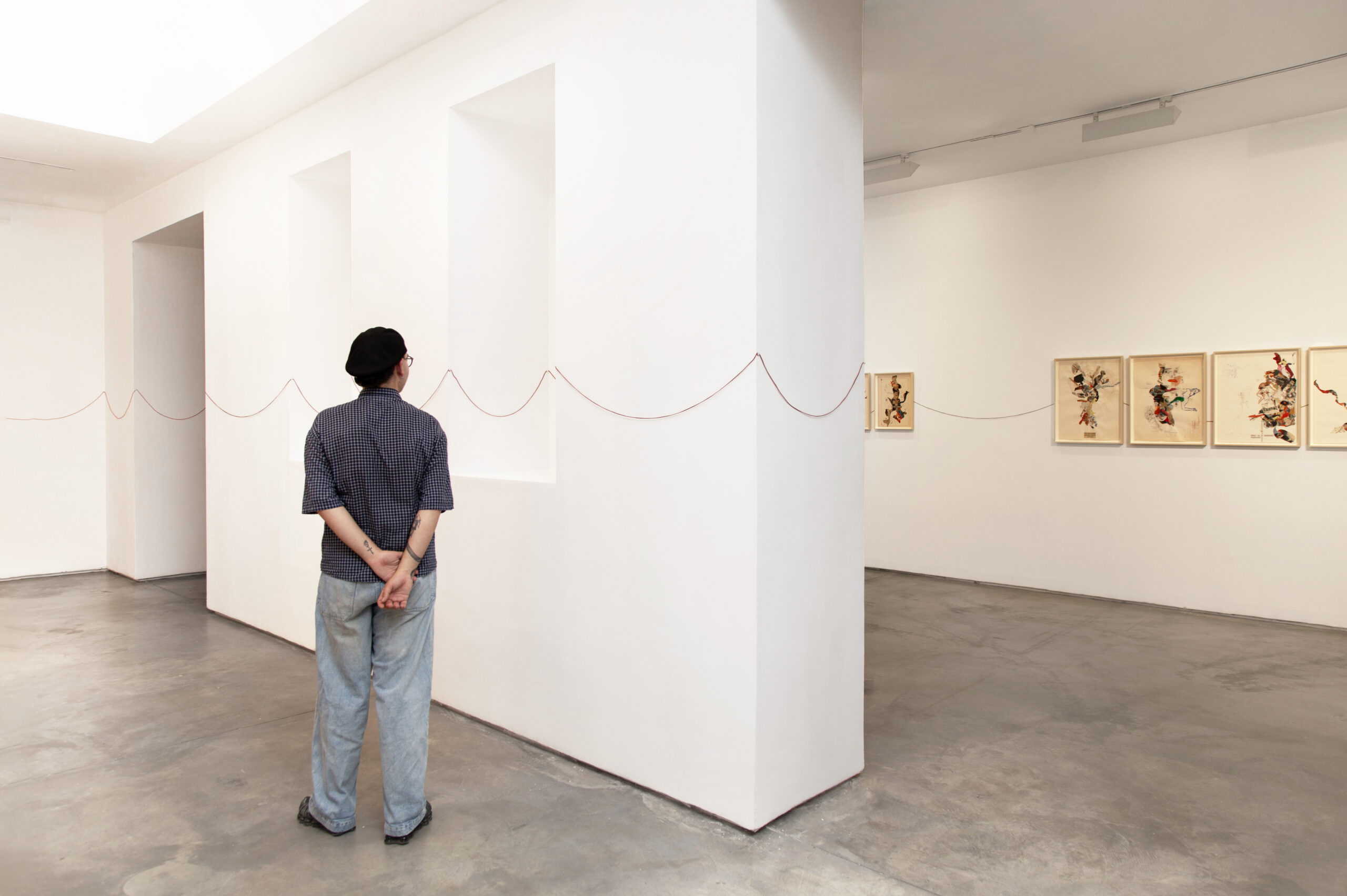
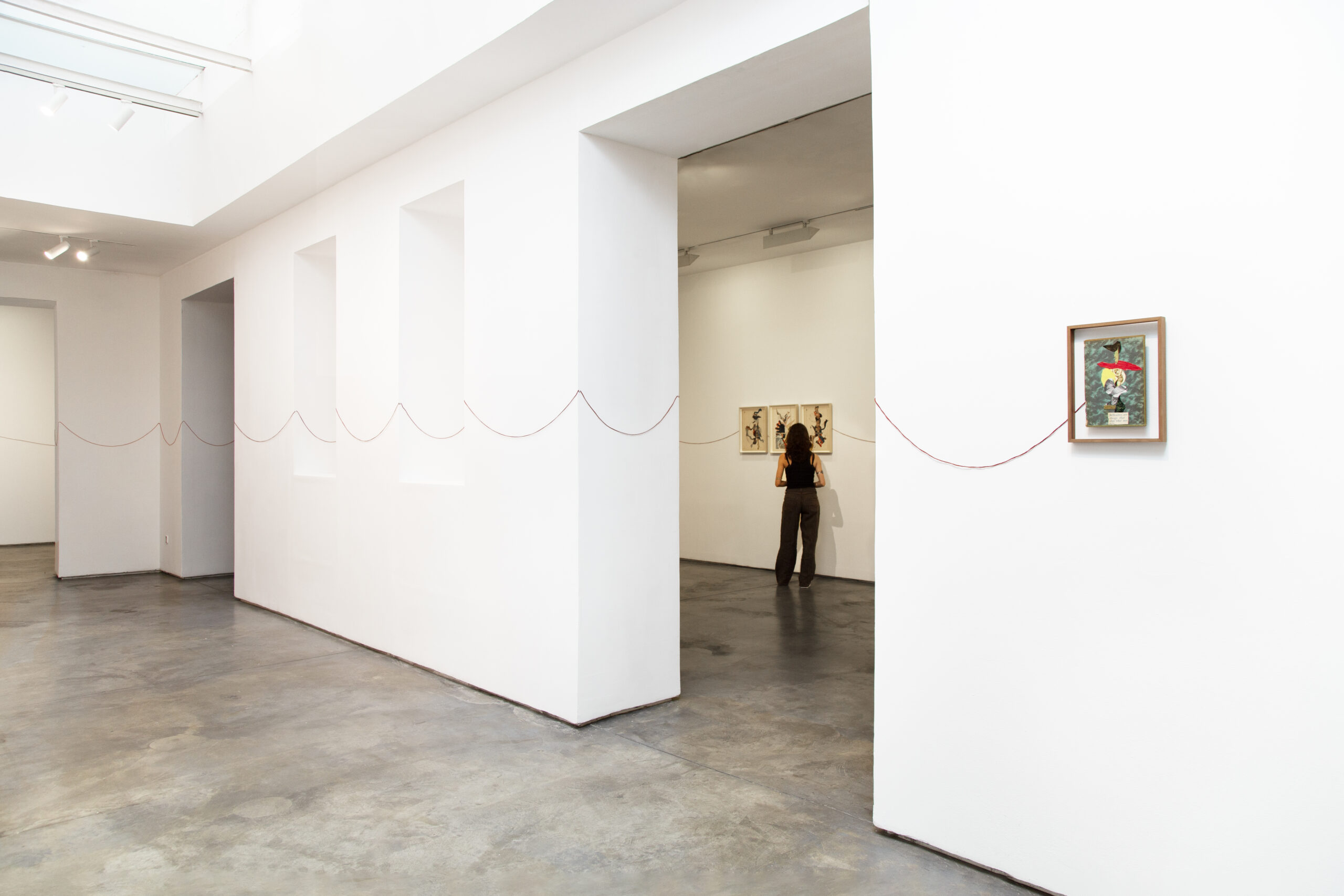
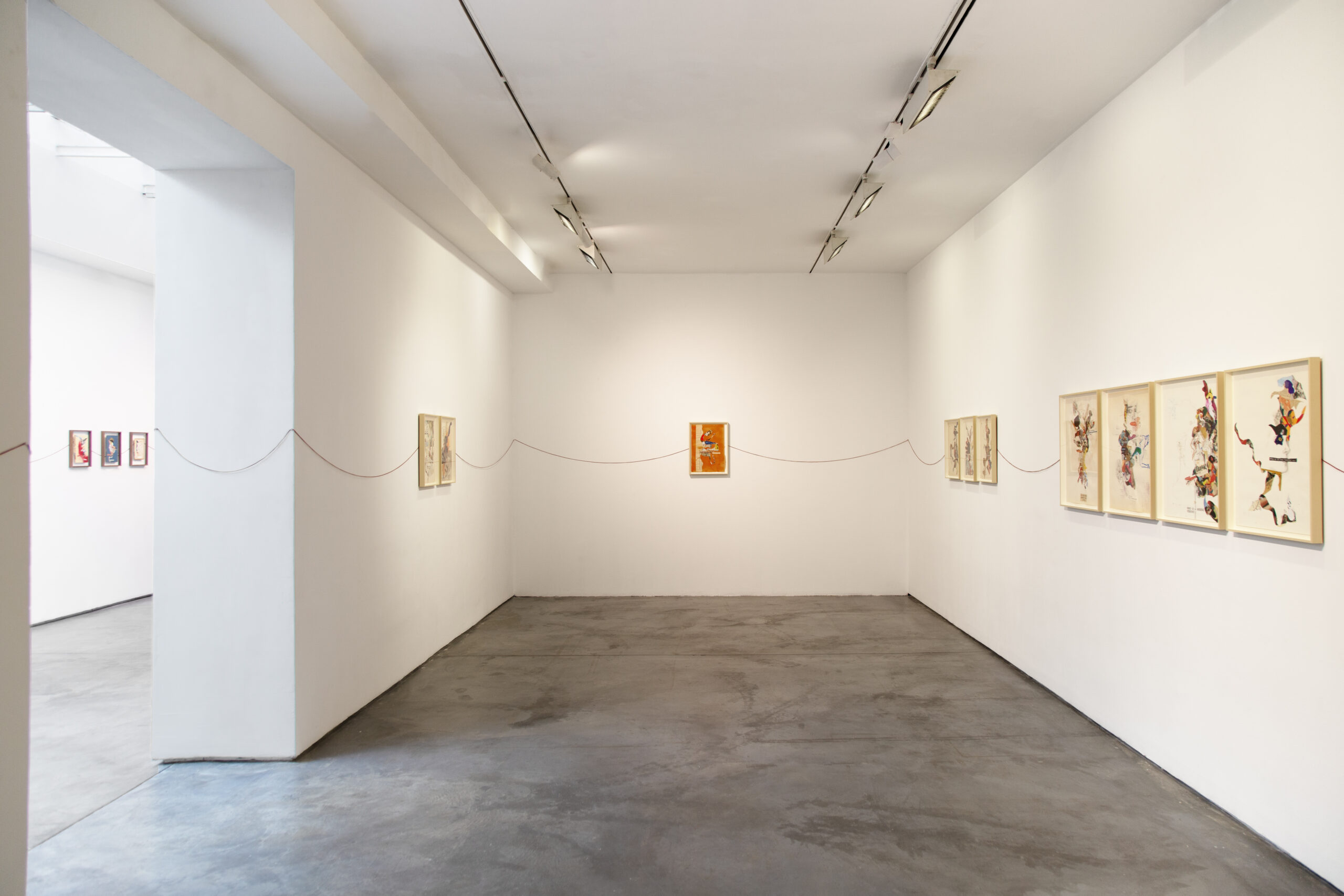
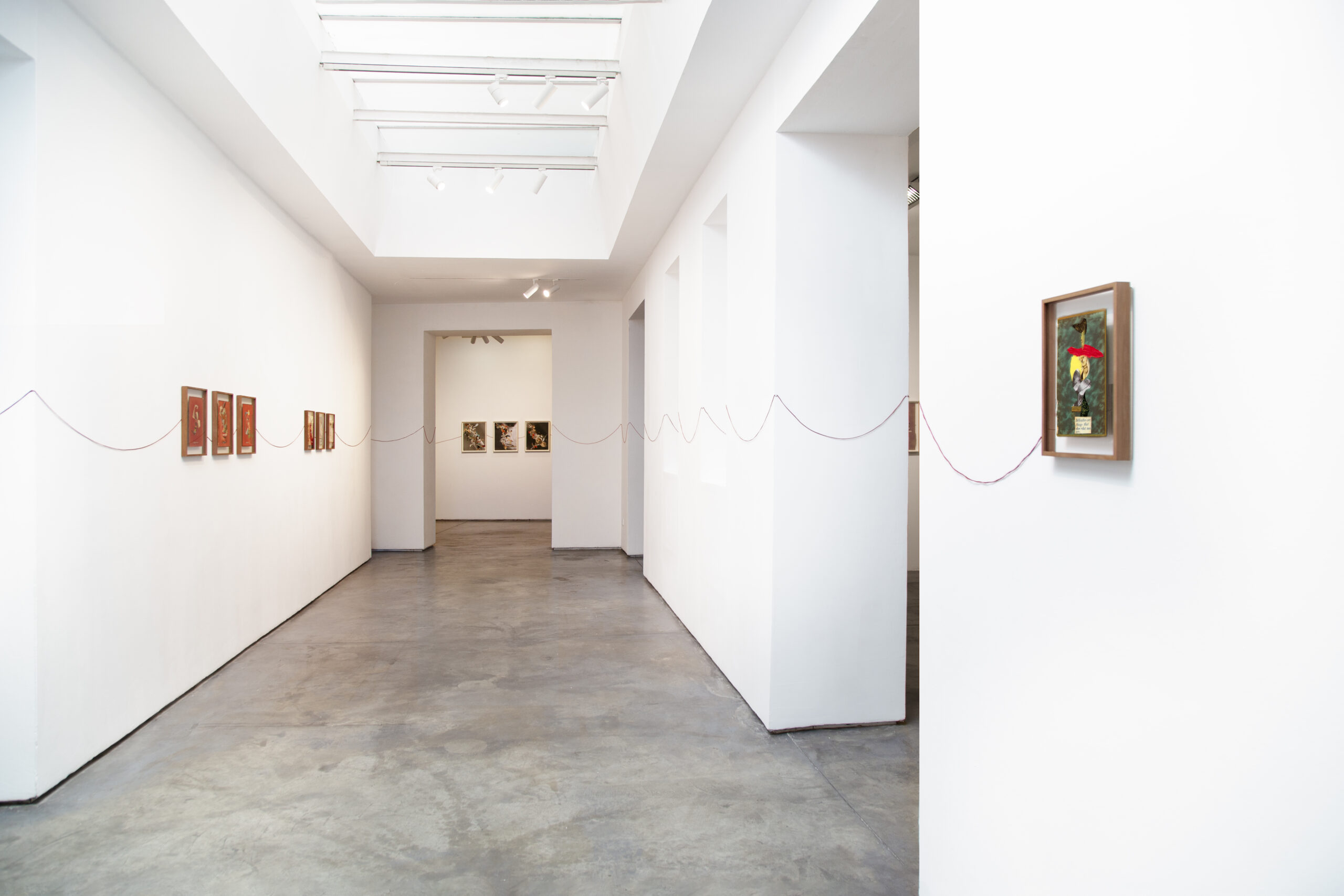

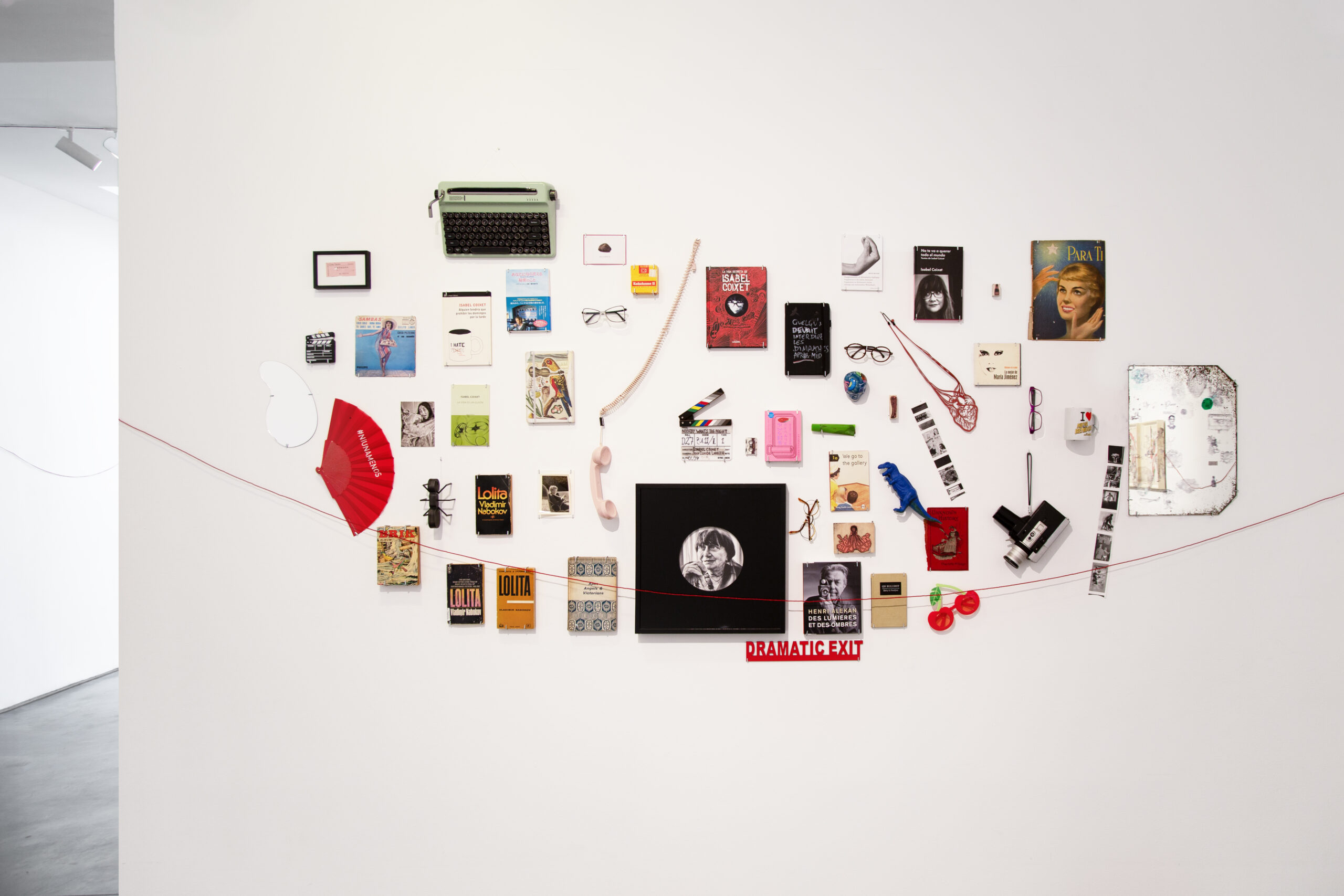
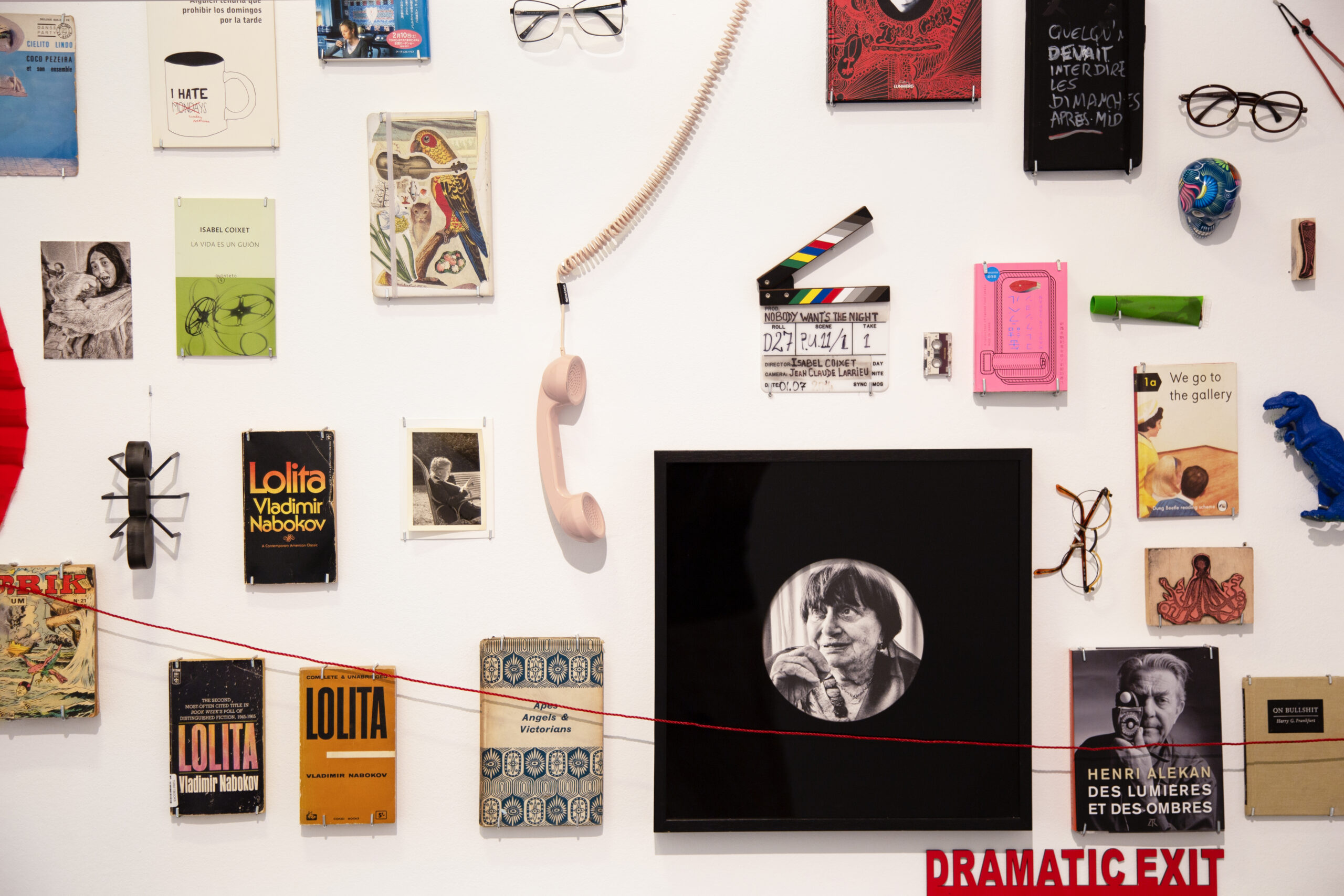
-
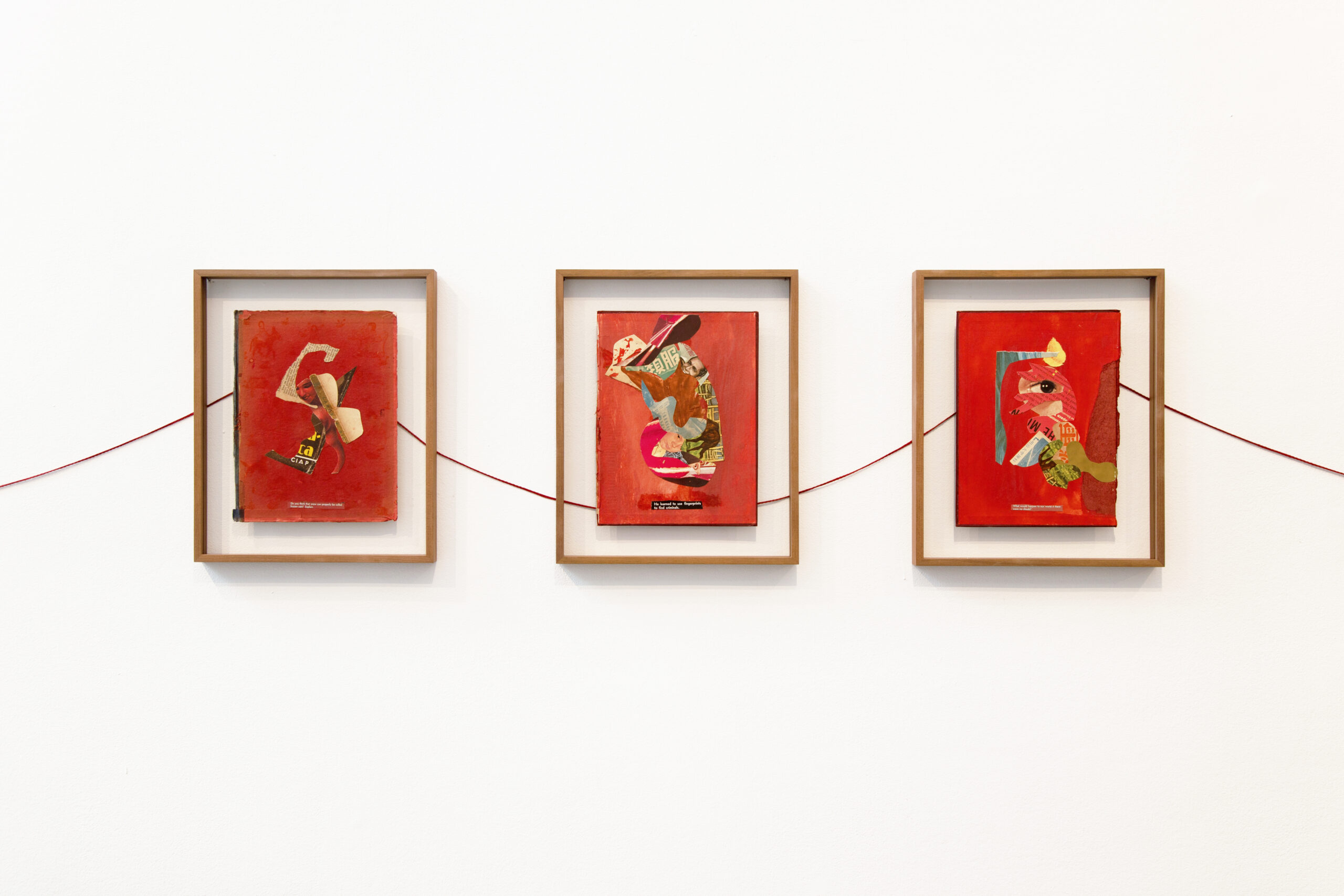
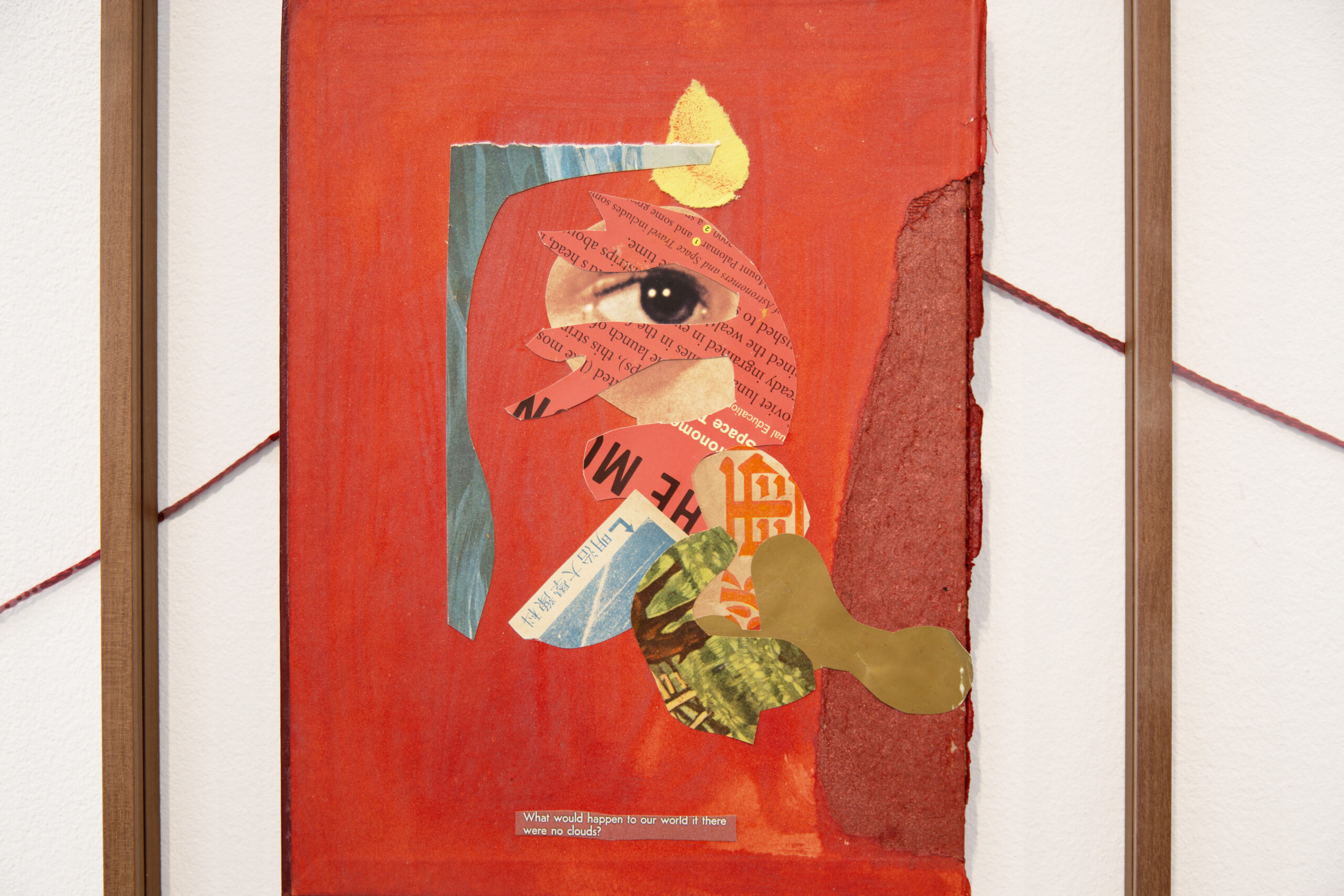
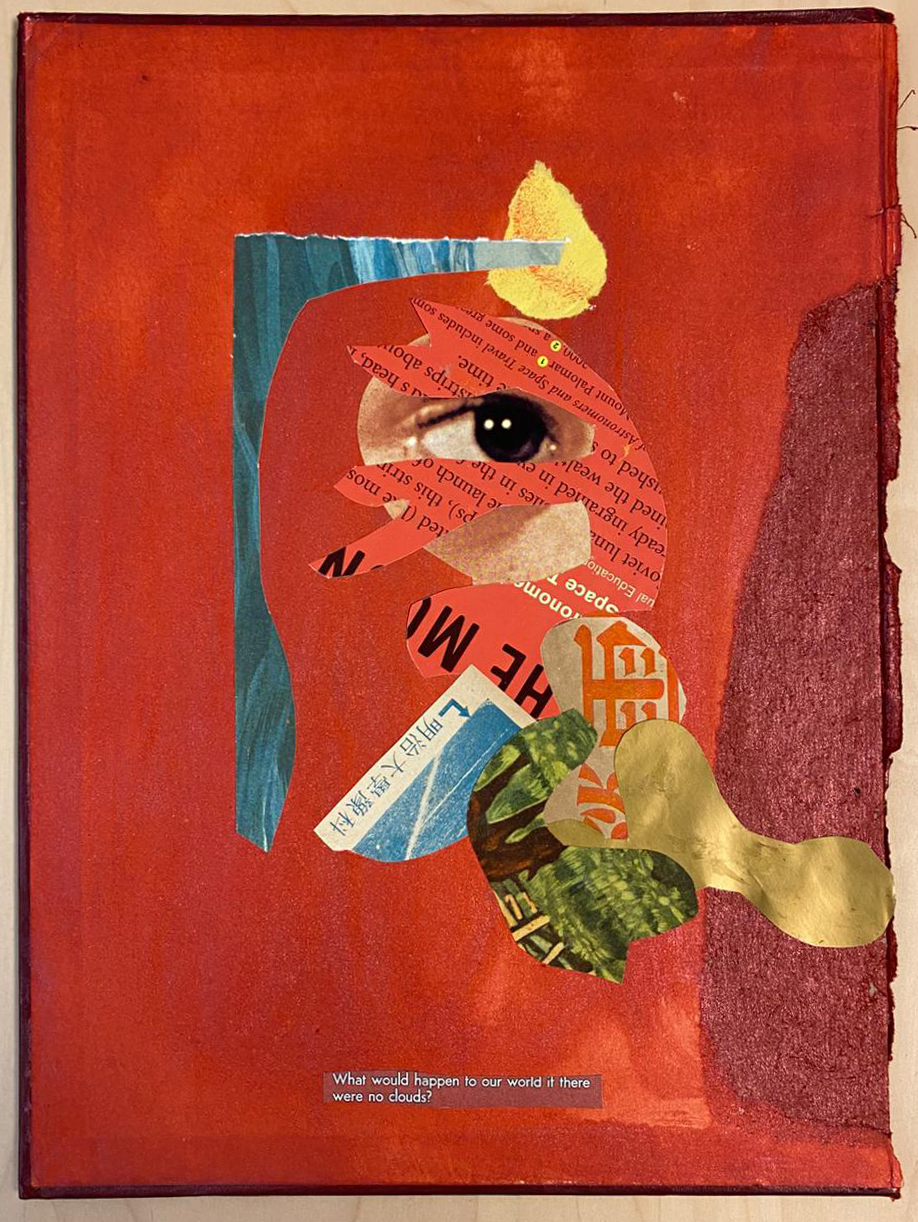 . NY Collages - What would happen to our world it there were no clouds. 2025
 -
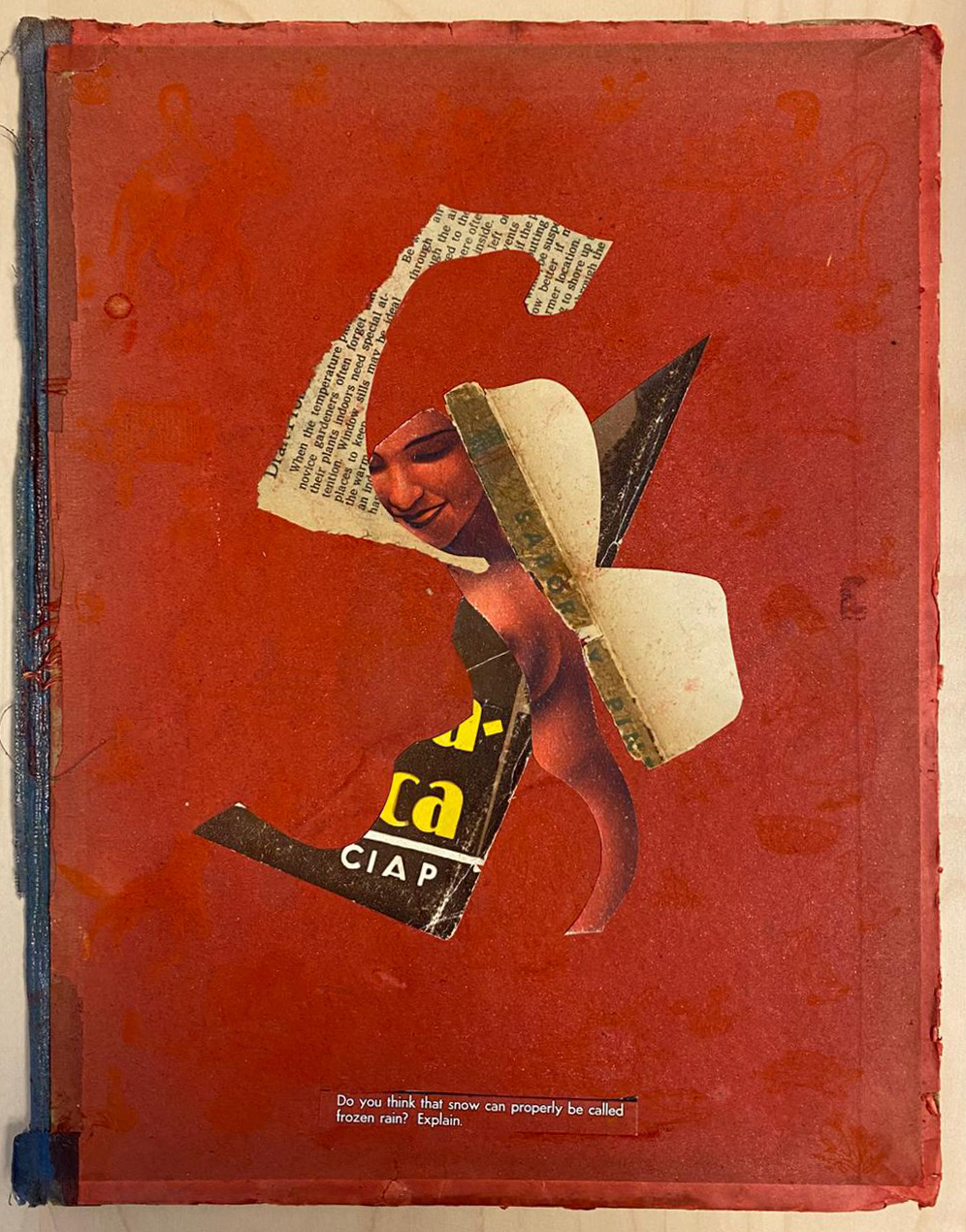 . NY Collages - Do you think that snow can properly be called frozen rain. Explain. 2025
 -
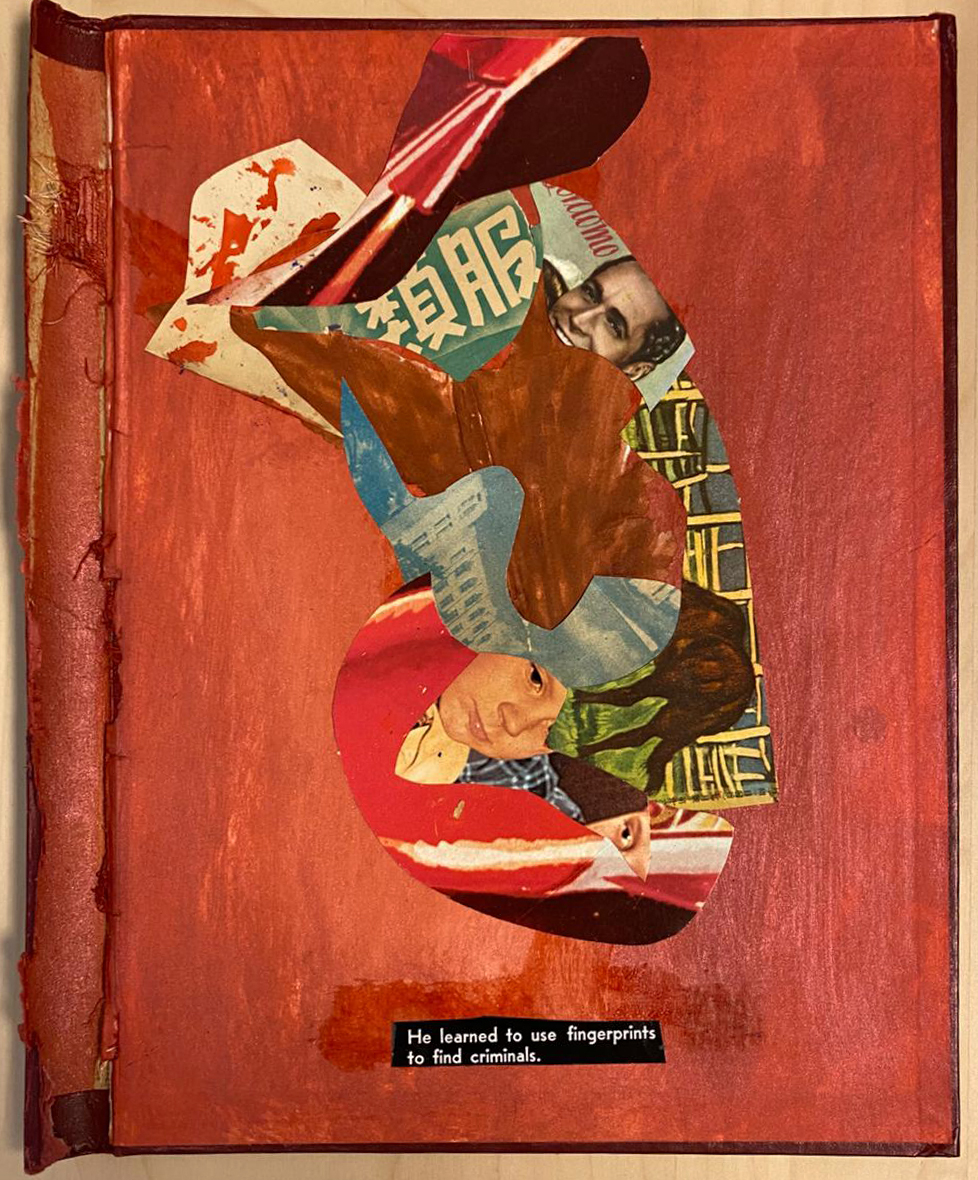 . NY Collages - He learned to use fingerprints to find criminals. 2025
 -
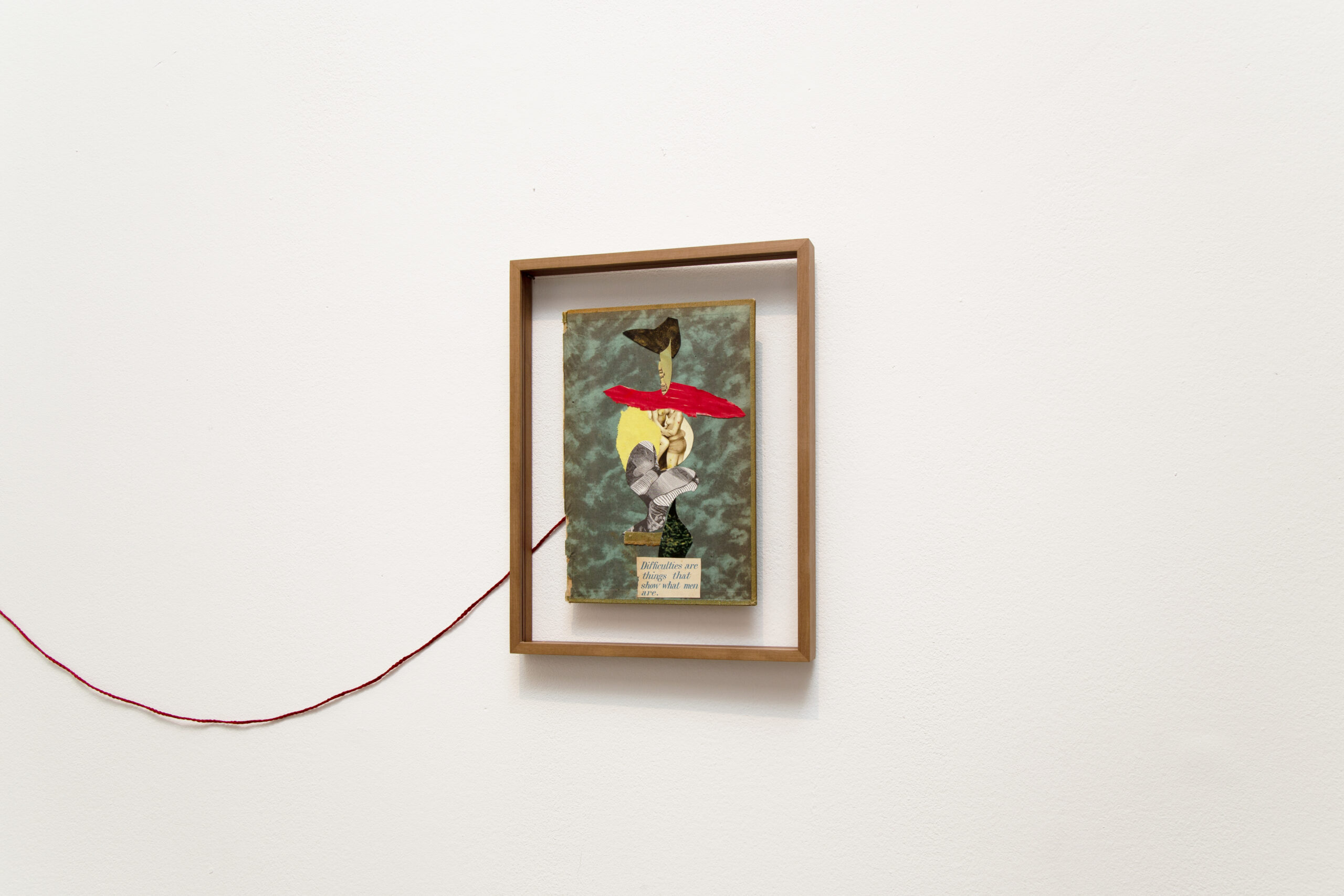
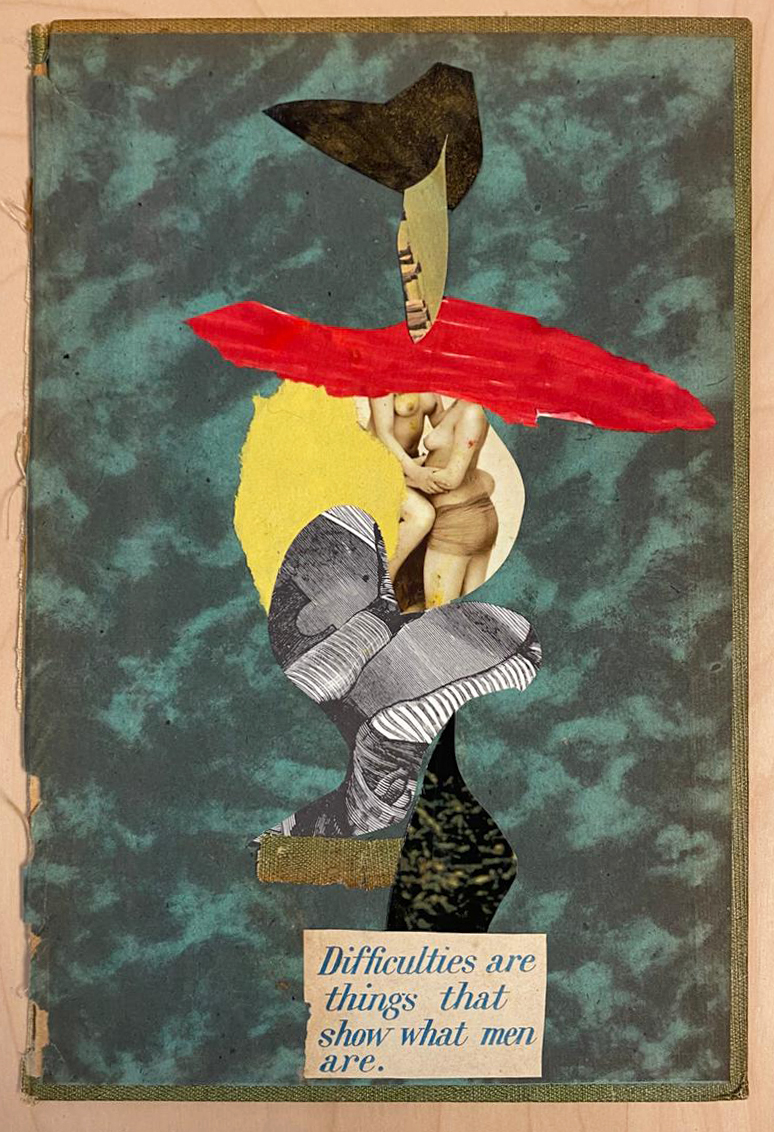 . NY Collages - Difficulties are things that show what men are. 2025
 -
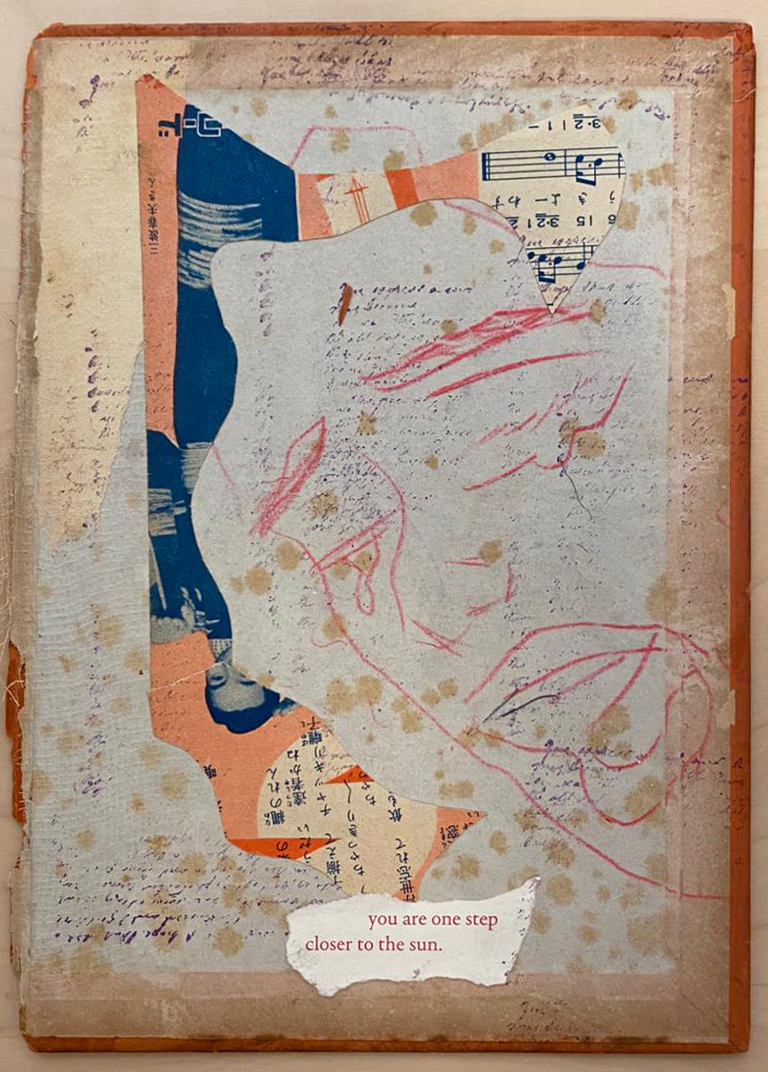 . NY Collages - you are one step closer to the sun. 2025
 -
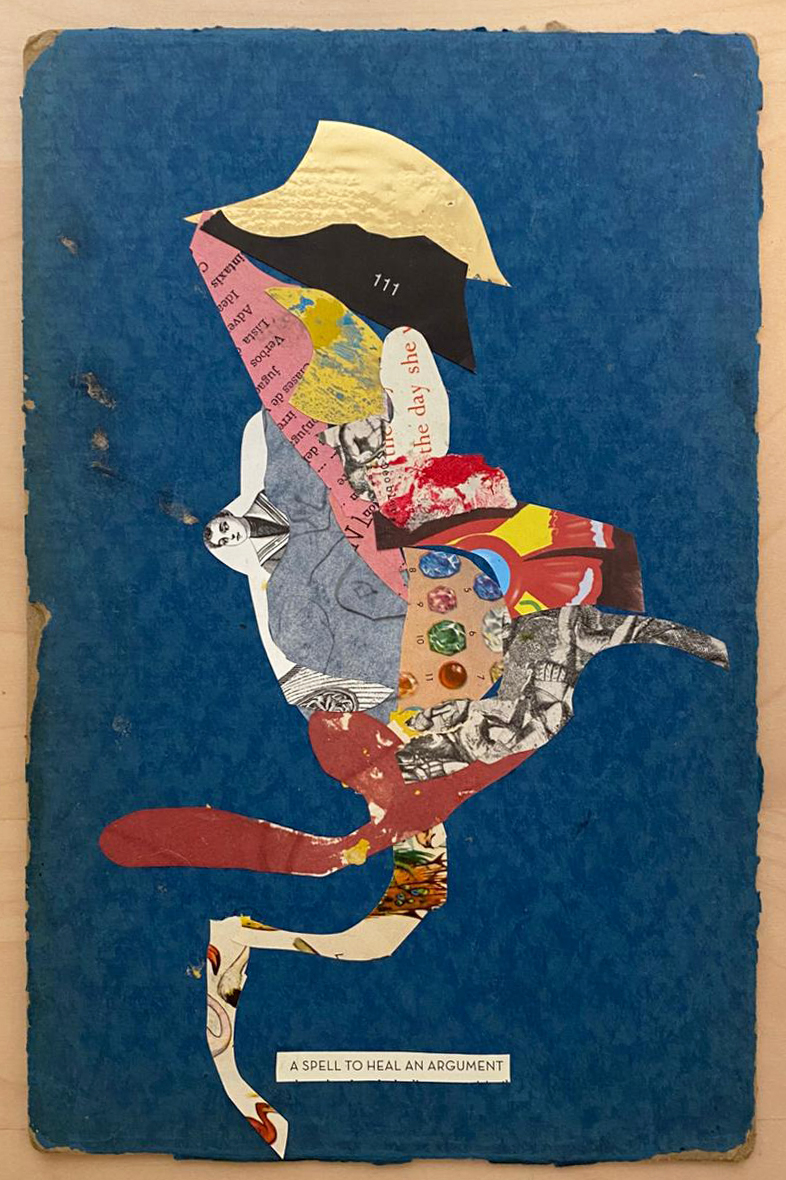 . NY Collages - A spell to heal an argument. 2025
 -
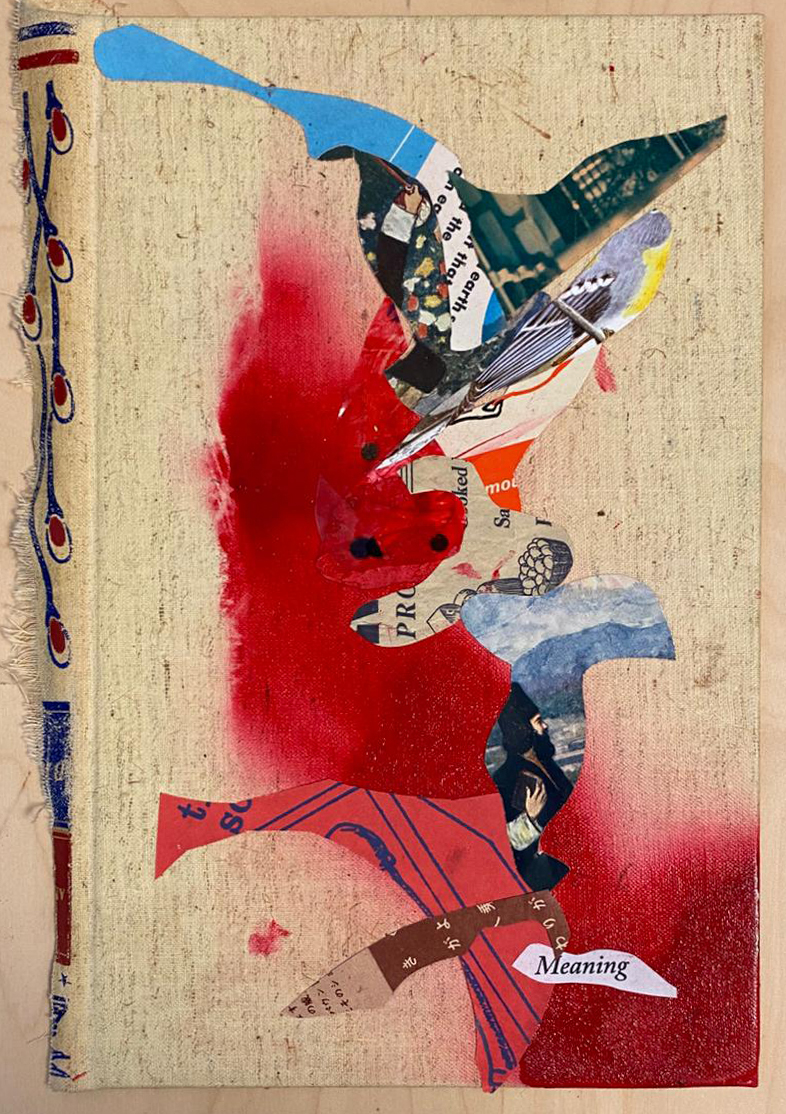 . NY Collages - Meaning. 2025
 -
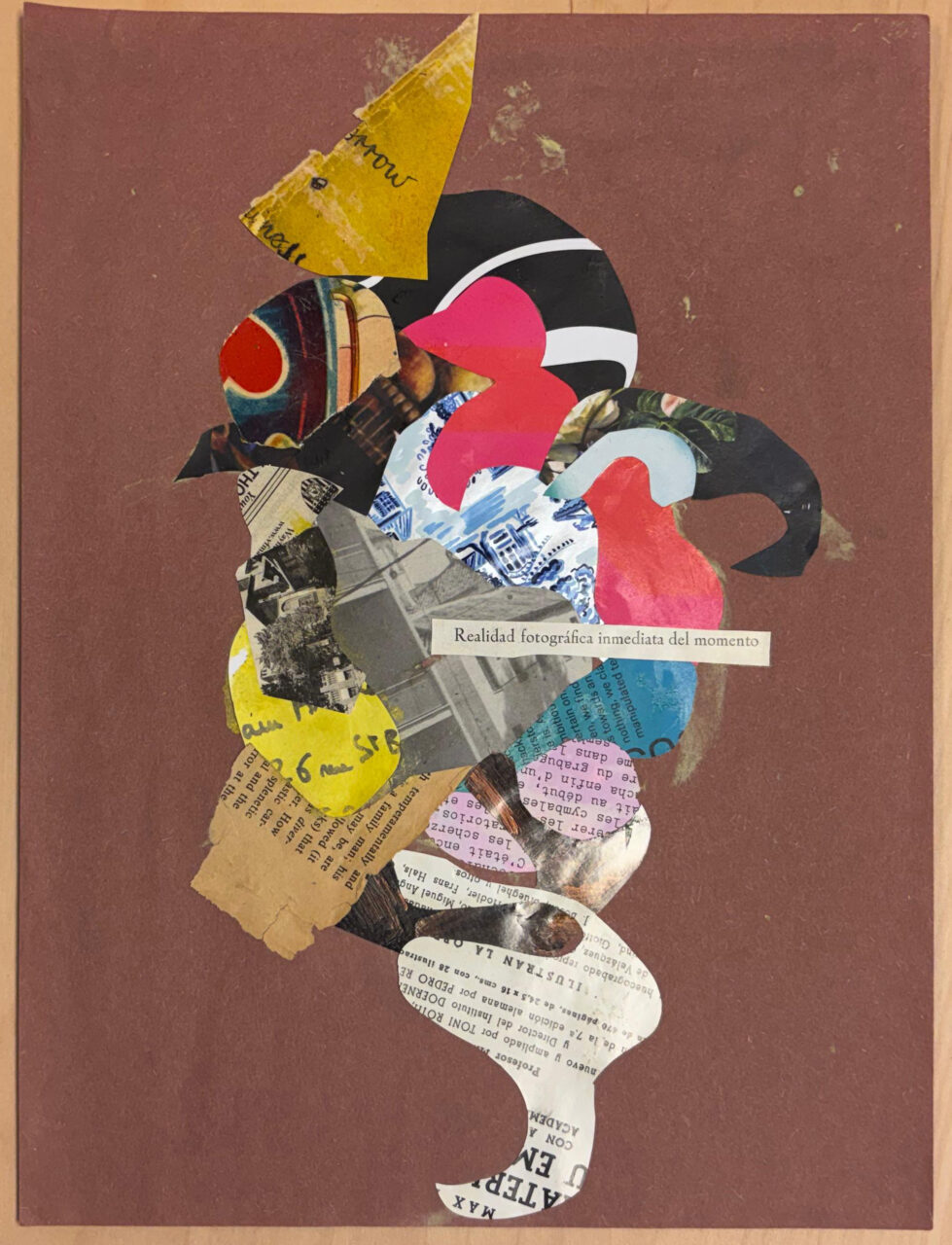 . NY Collage - Realidad fotográfica inmediata del momento. 2025
 -
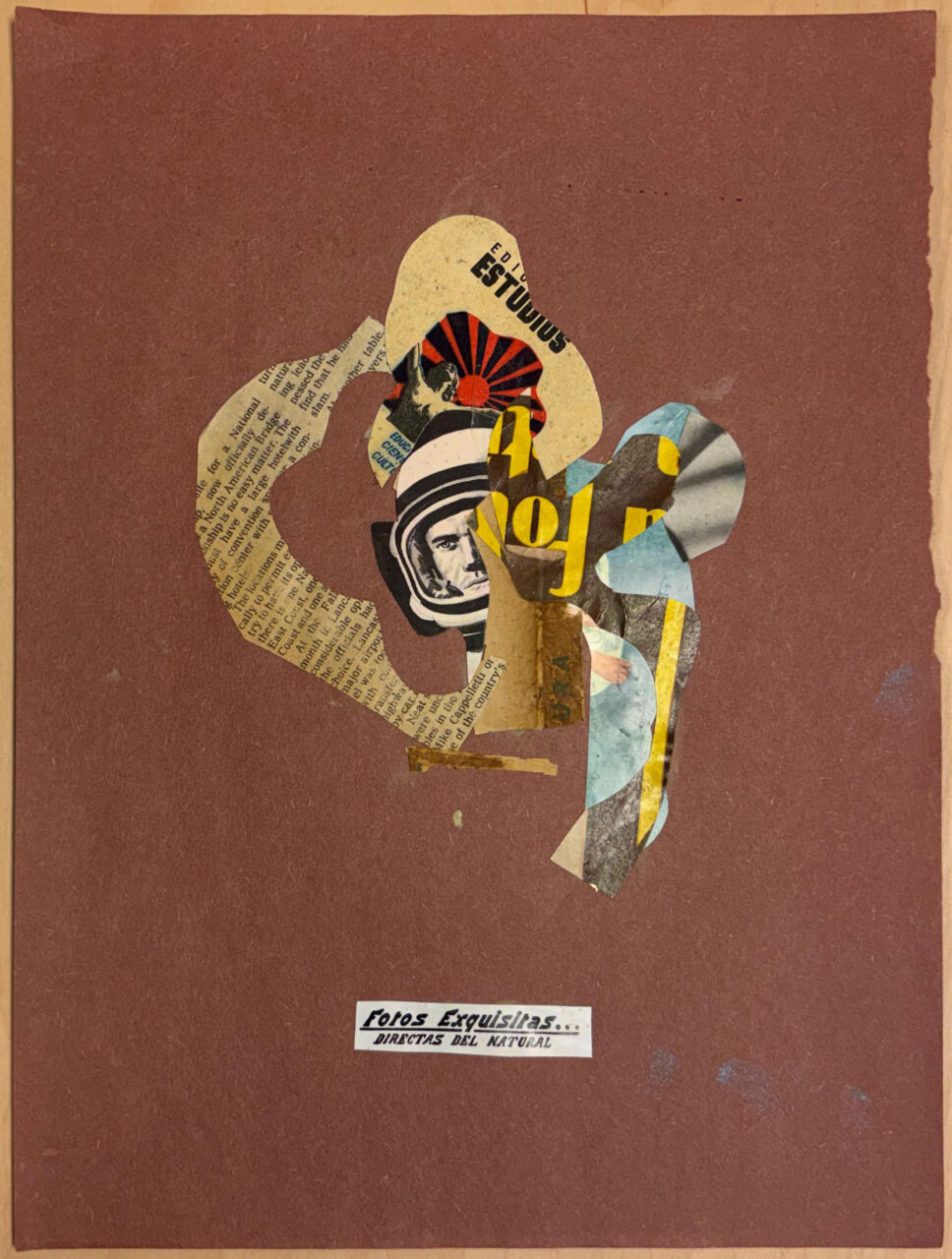 . NY Collage - Fotos exquisitas.... 2025
 -
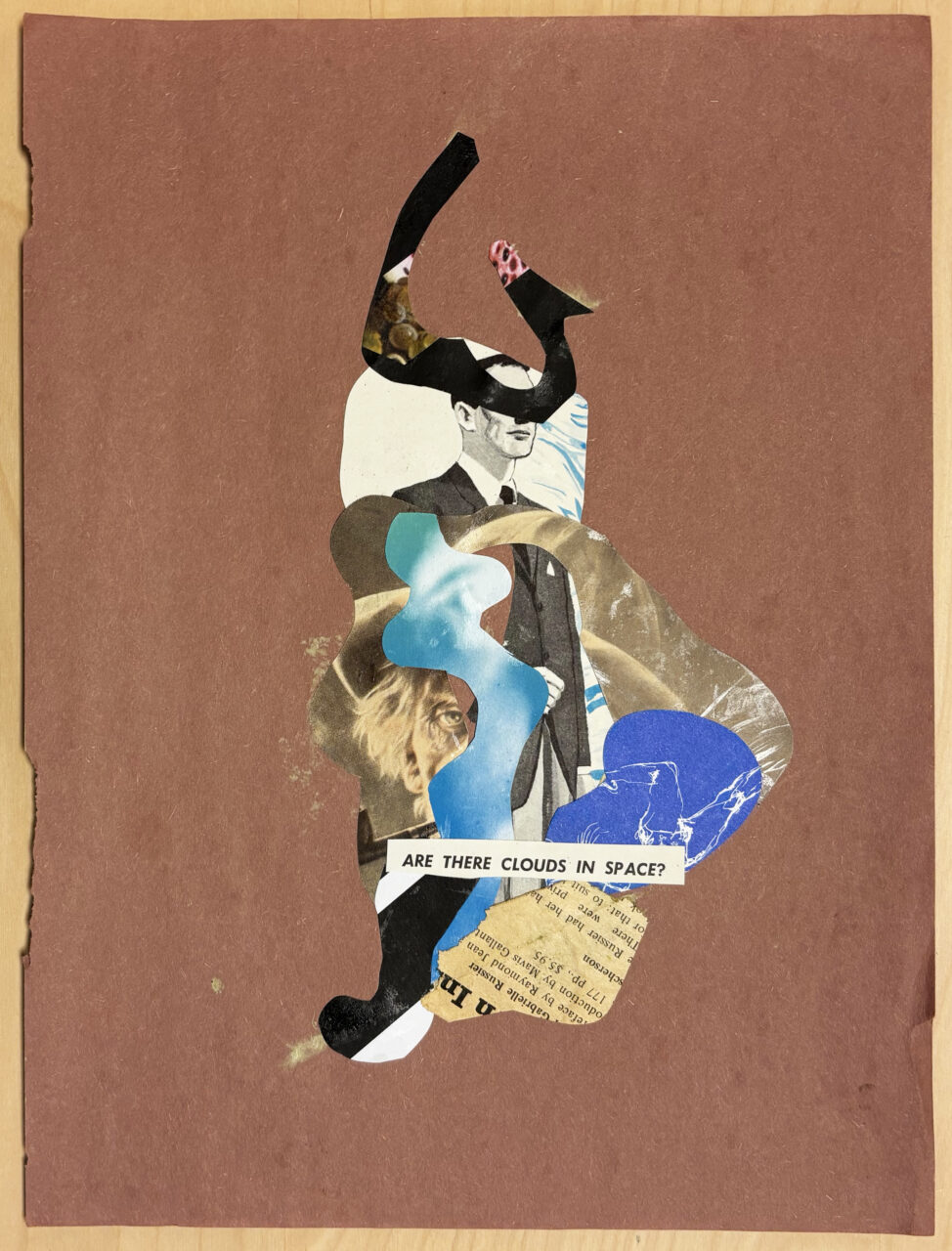 . NY Collage - Are there clouds in space?. 2025