Diana Fonseca
Entelequia
Max Estrella presents 'Entelechy', the second solo exhibition by Cuban artist Diana Fonseca at the gallery. The exhibition brings together her most recent body of work.
Max Estrella presents Entelequia, the second solo exhibition by Cuban artist Diana Fonseca at the gallery. The word entelequia means “having the end within oneself.” It refers to the vital force that drives life, self-realization, and the conscious effort to achieve an intrinsic end that, at the same time, constitutes its own goal. It is through this process that being reaches its perfection. From this philosophical premise, Fonseca conceives of her artistic practice as its own entelequia: human beings naturally tend to seek beauty, that which evolves and becomes more perfect, and art becomes the most genuine means of embarking on that journey. Diana Fonseca’s creative process emerges from personal emotions and experiences, although it often also reflects a collective or generational sensibility. Over time, with its ever-changing rhythms, new questions, desires, nostalgias, dreams, and needs arise. All of this shapes the artistic practice of this Caribbean creator.
Cuba and its dramatic situation form an invisible narrative thread running through all the works on display.
The exhibition takes the form of an emotional collage: a collection of objects that act as channels of connection with the artist’s inner world. It is a process that seeks to come closer to truth, because, for Fonseca, being in truth means being at peace, and being at peace is perhaps the purest form of self-realization. The artist channels and exorcises her thoughts and emotions through art understood as a metaphorical object.
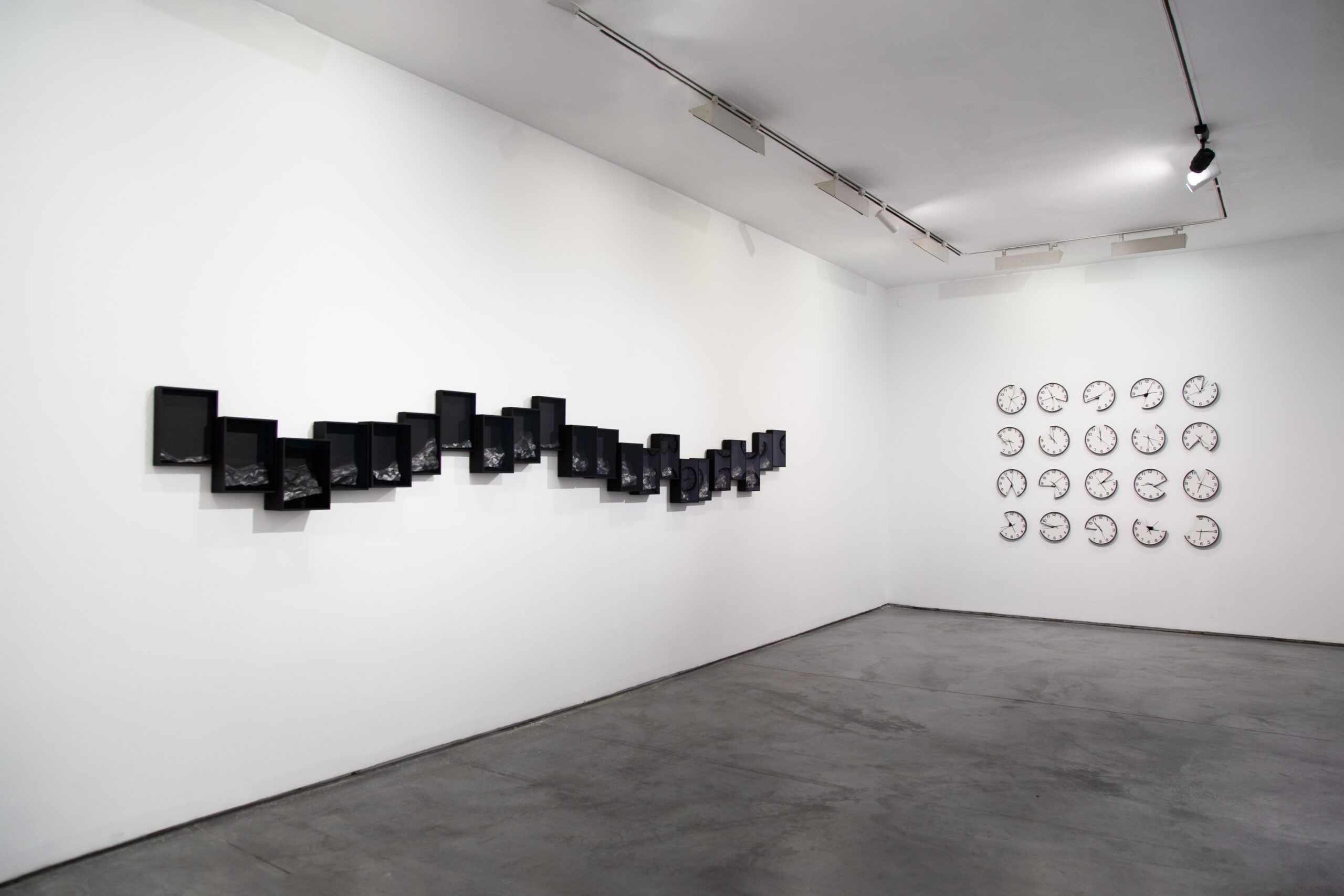
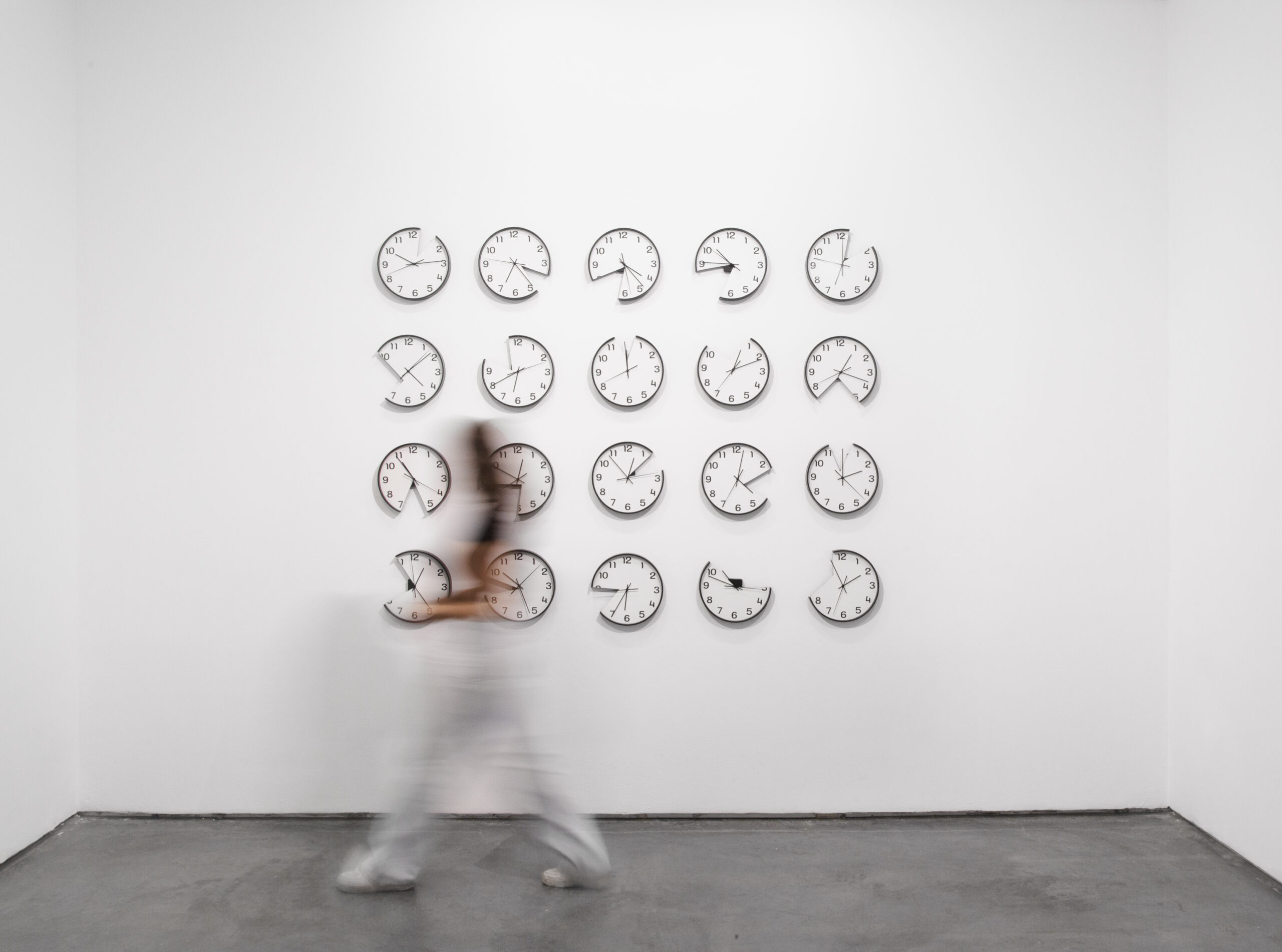
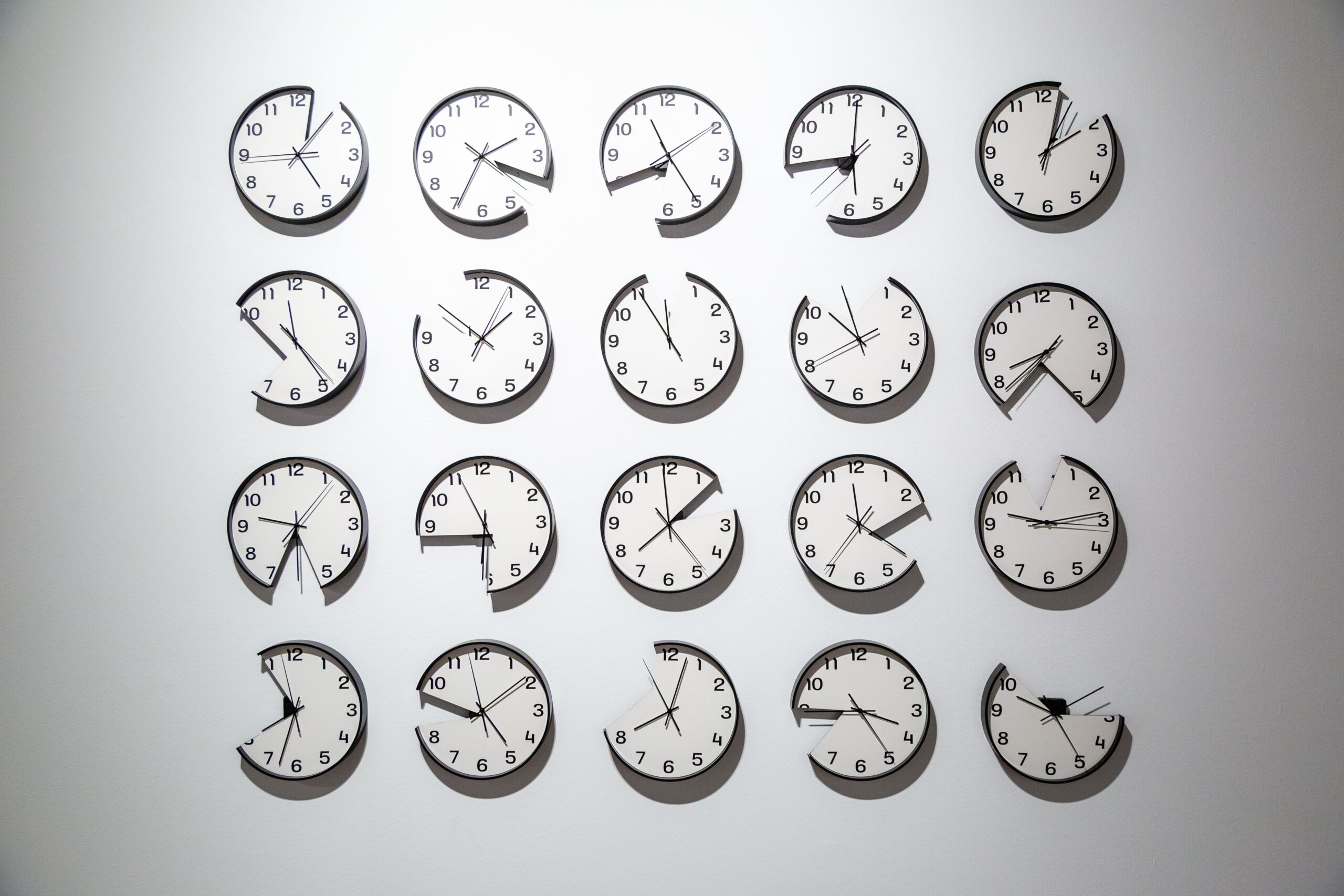
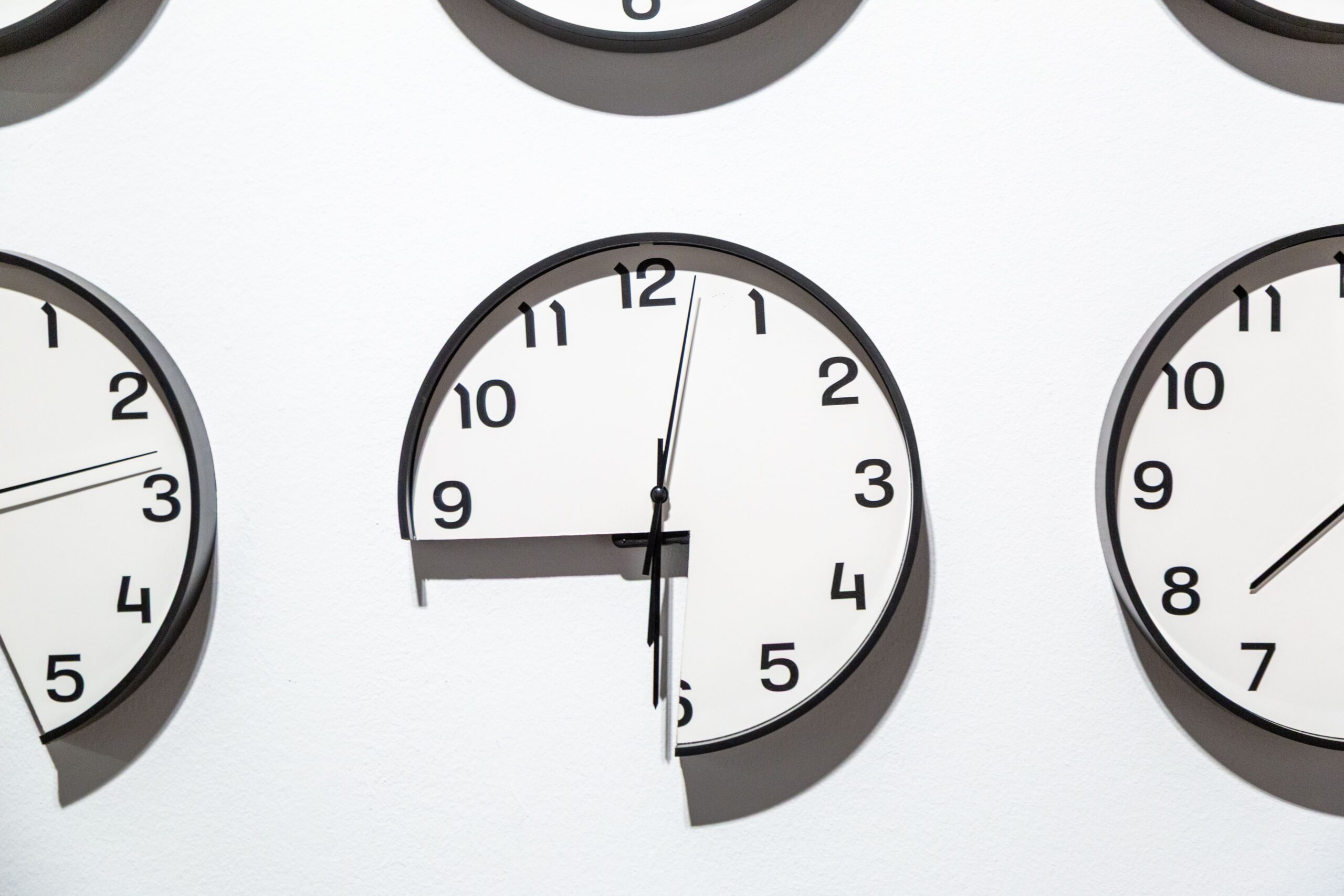
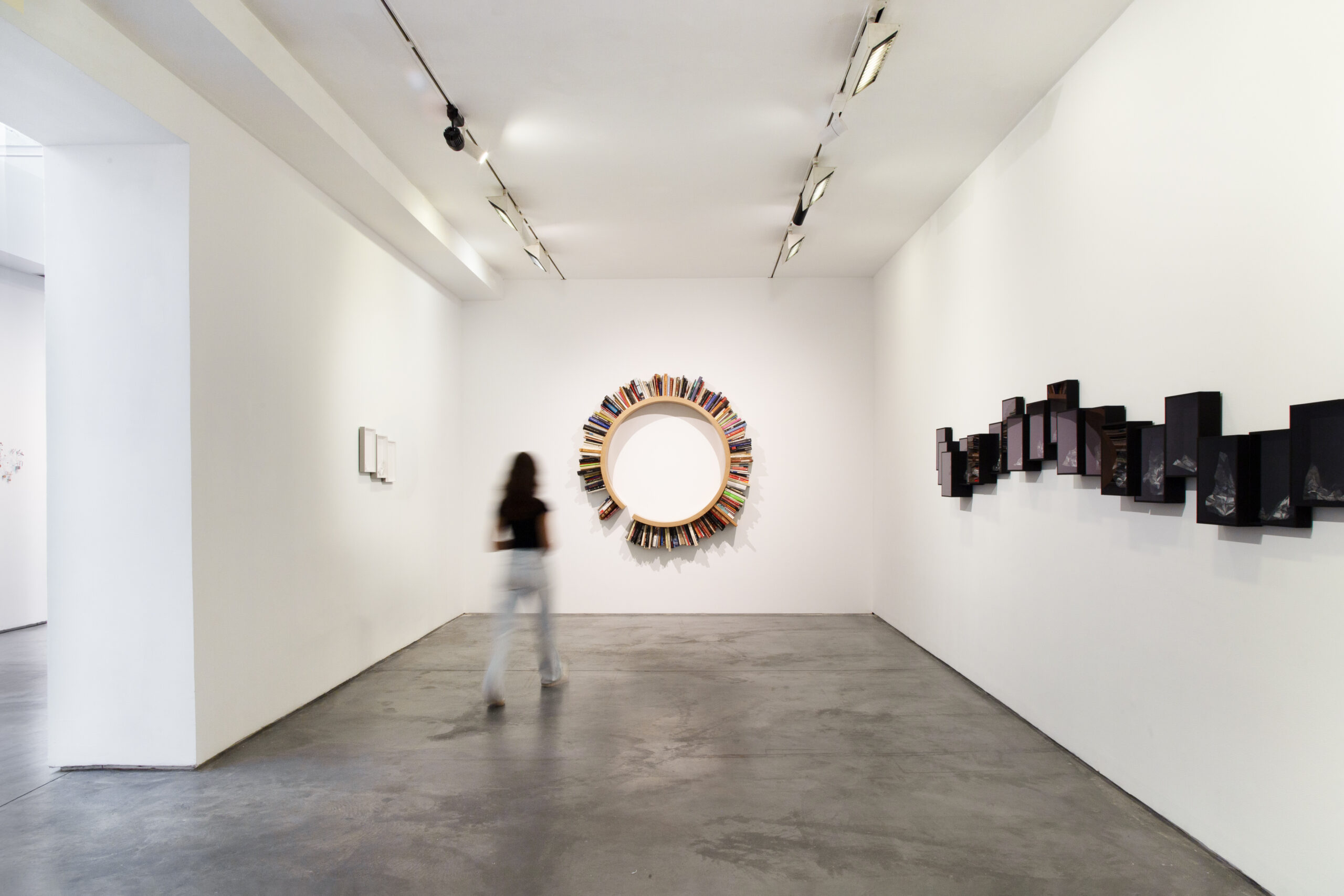
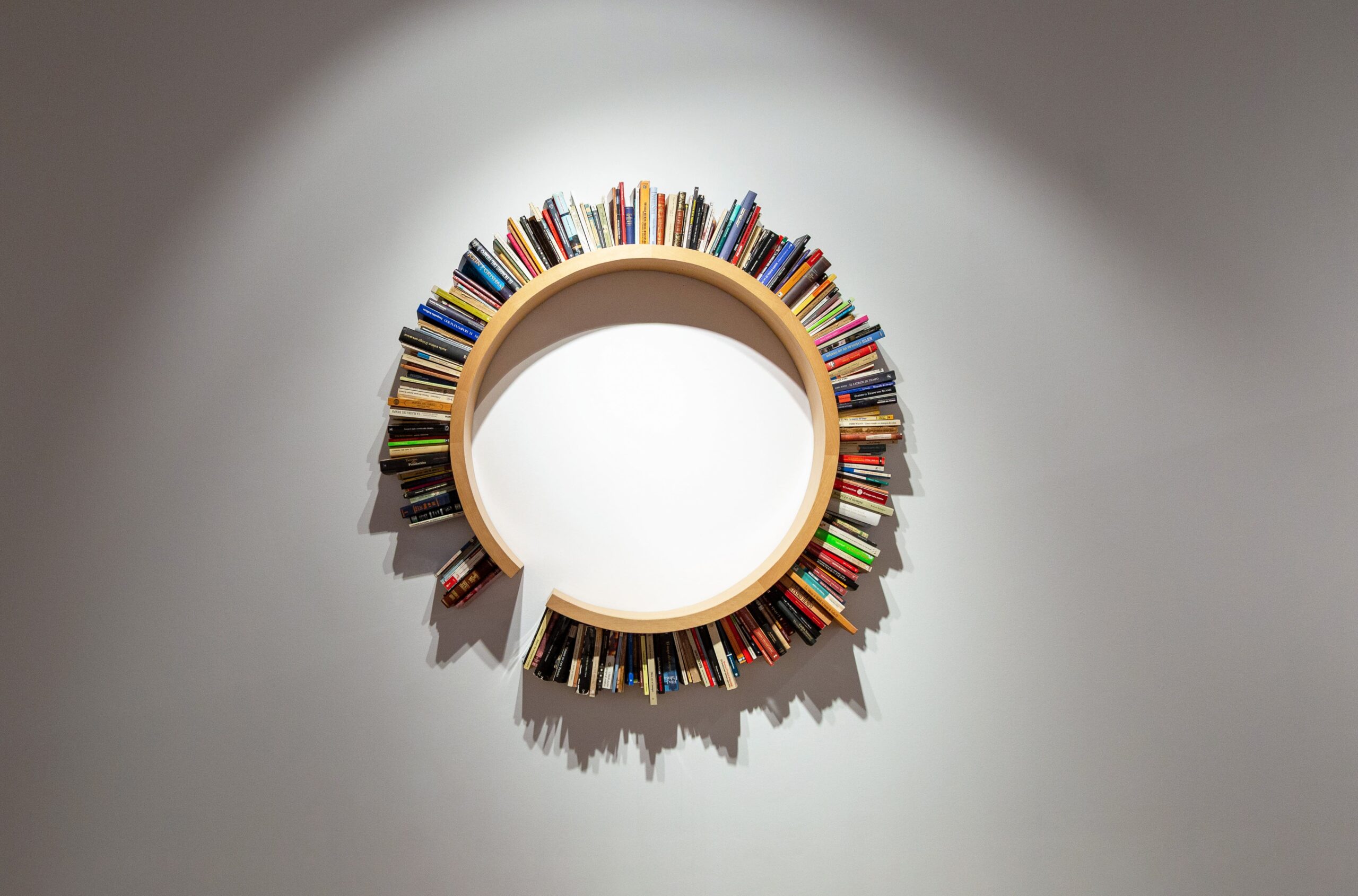
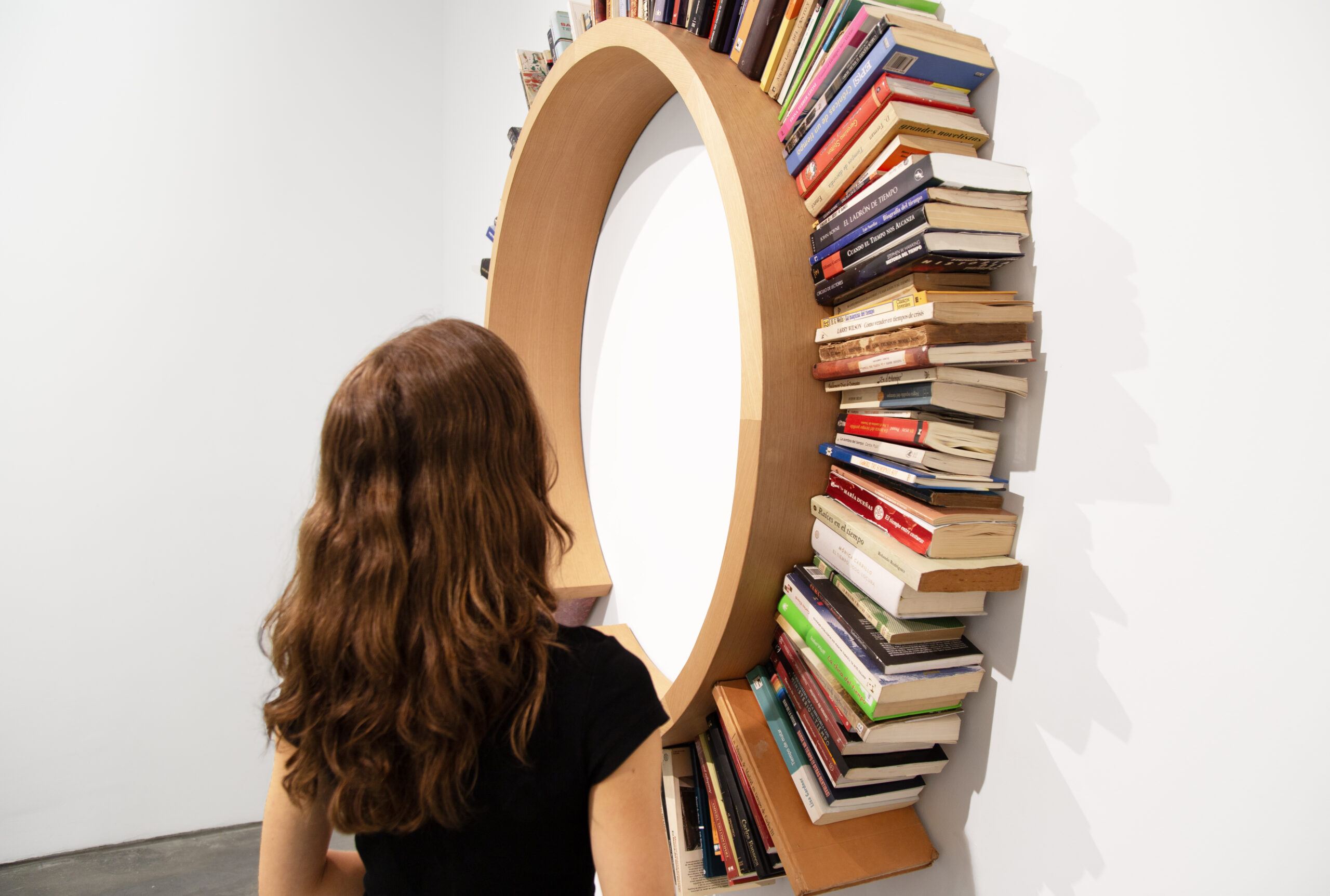
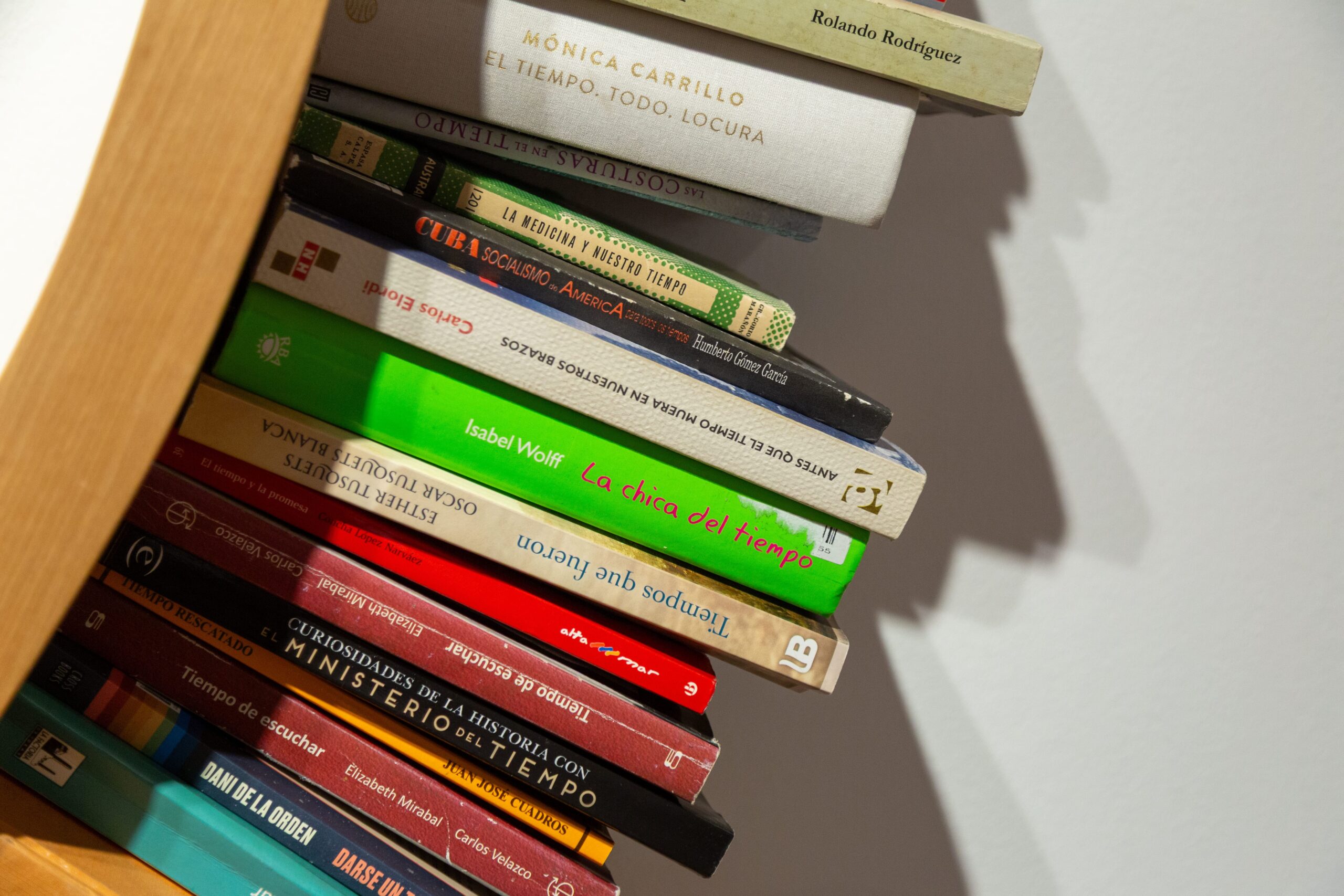
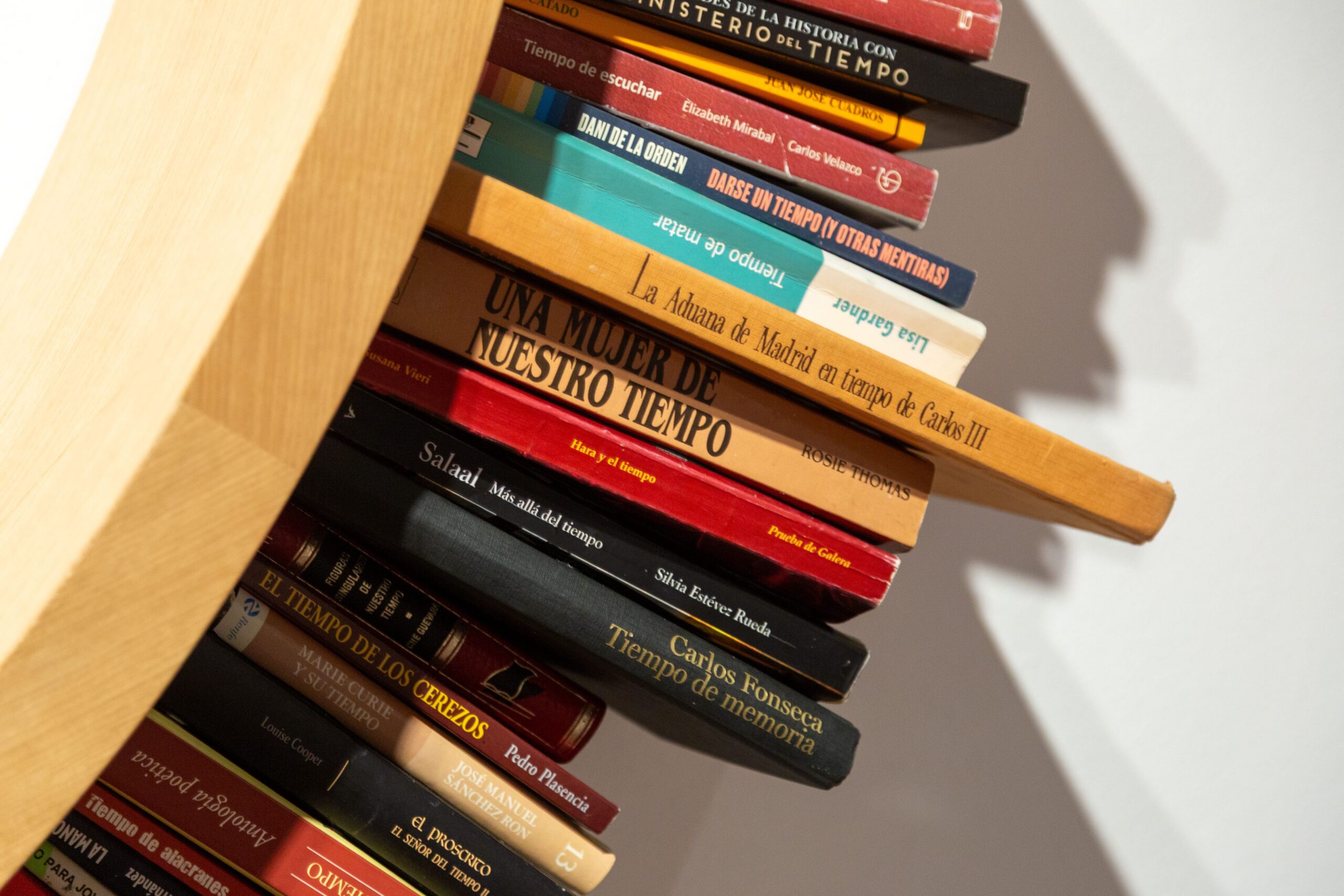
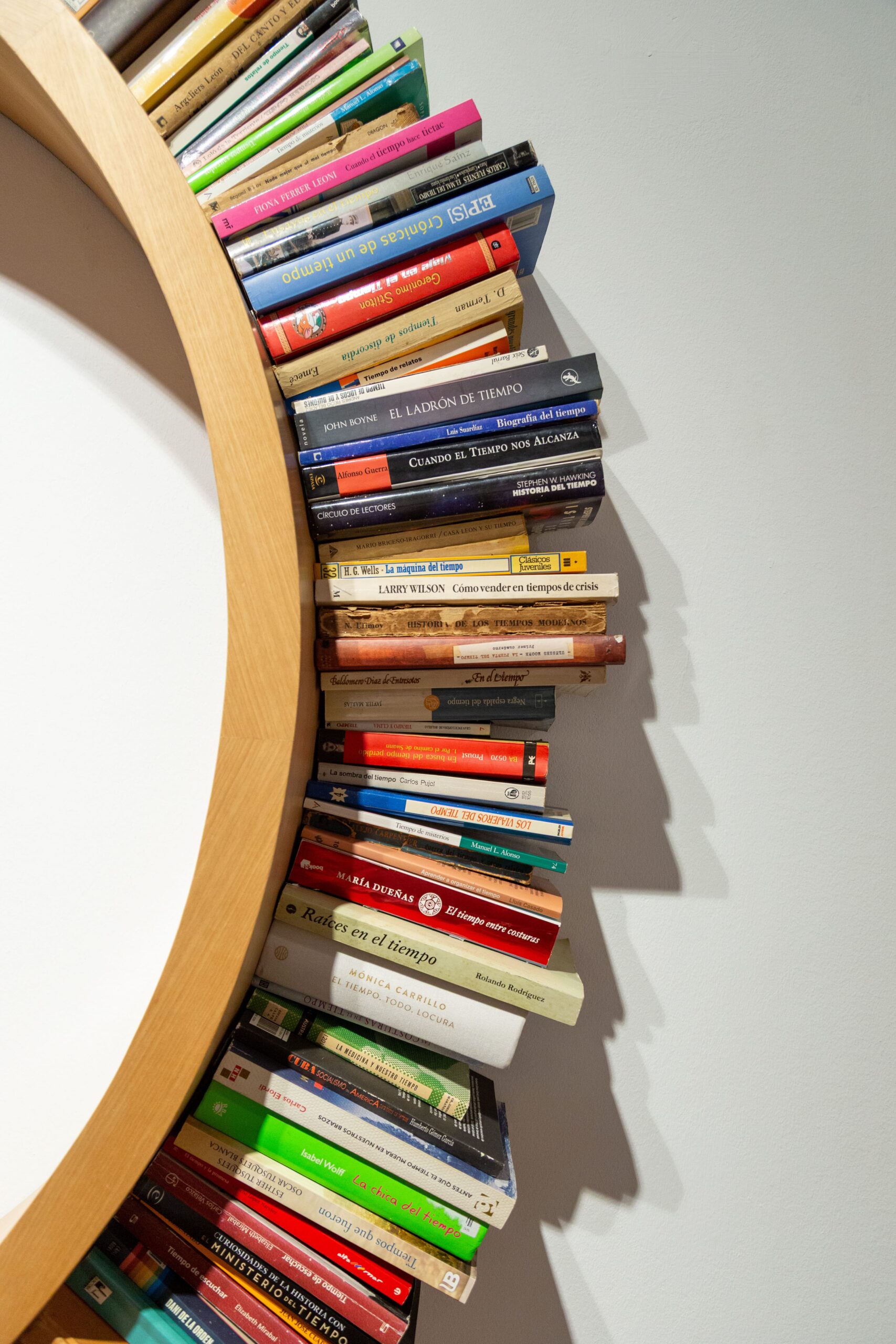
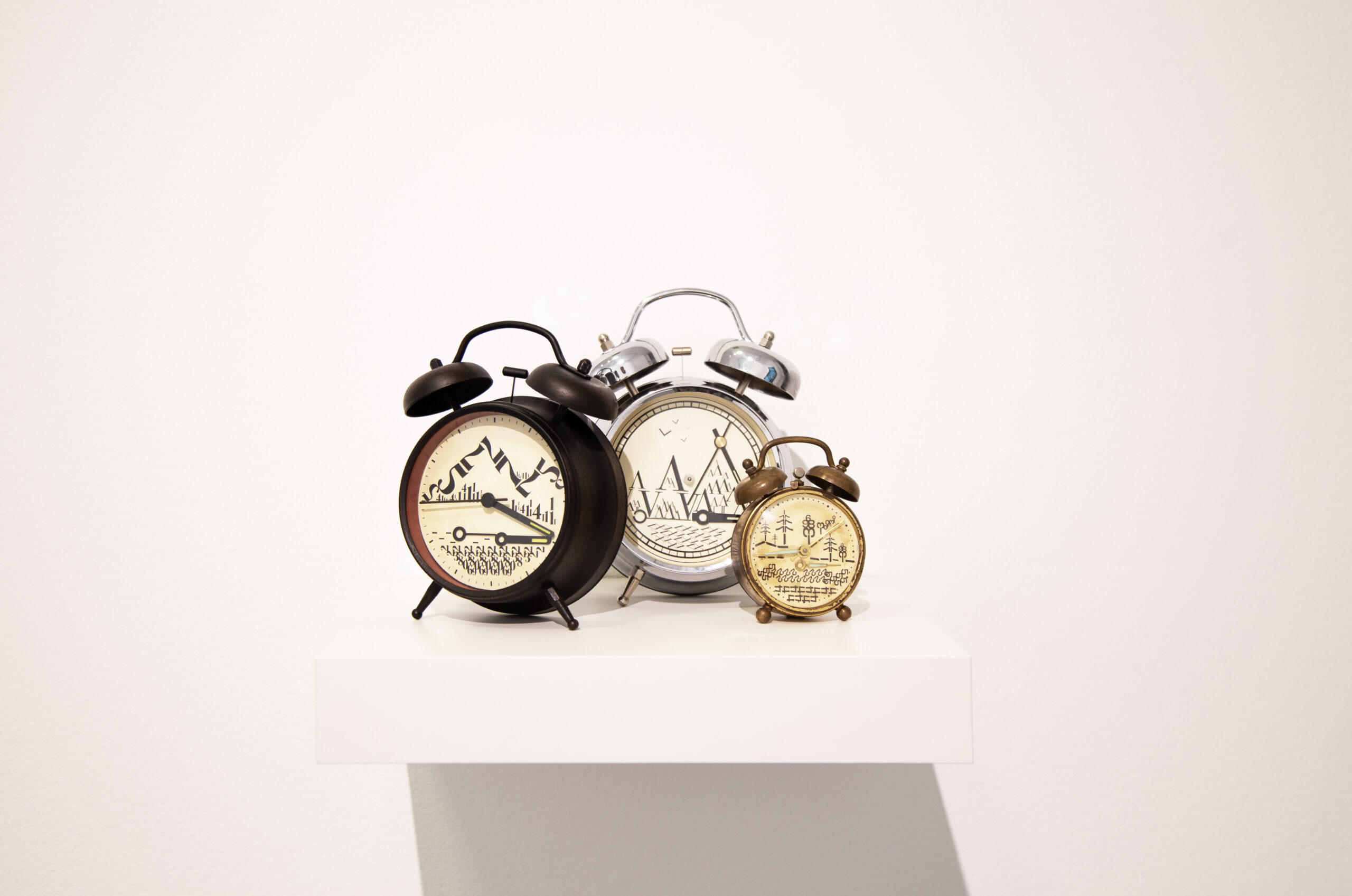
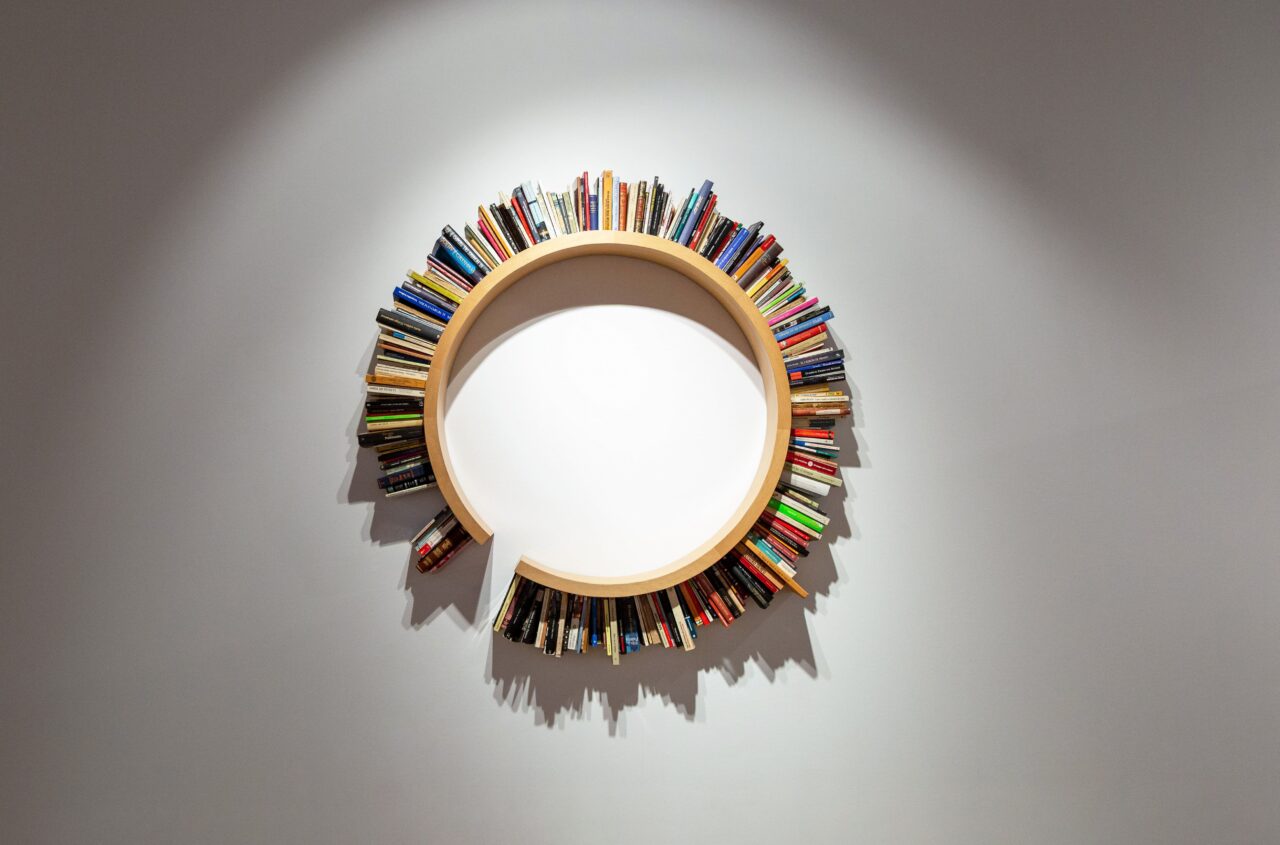
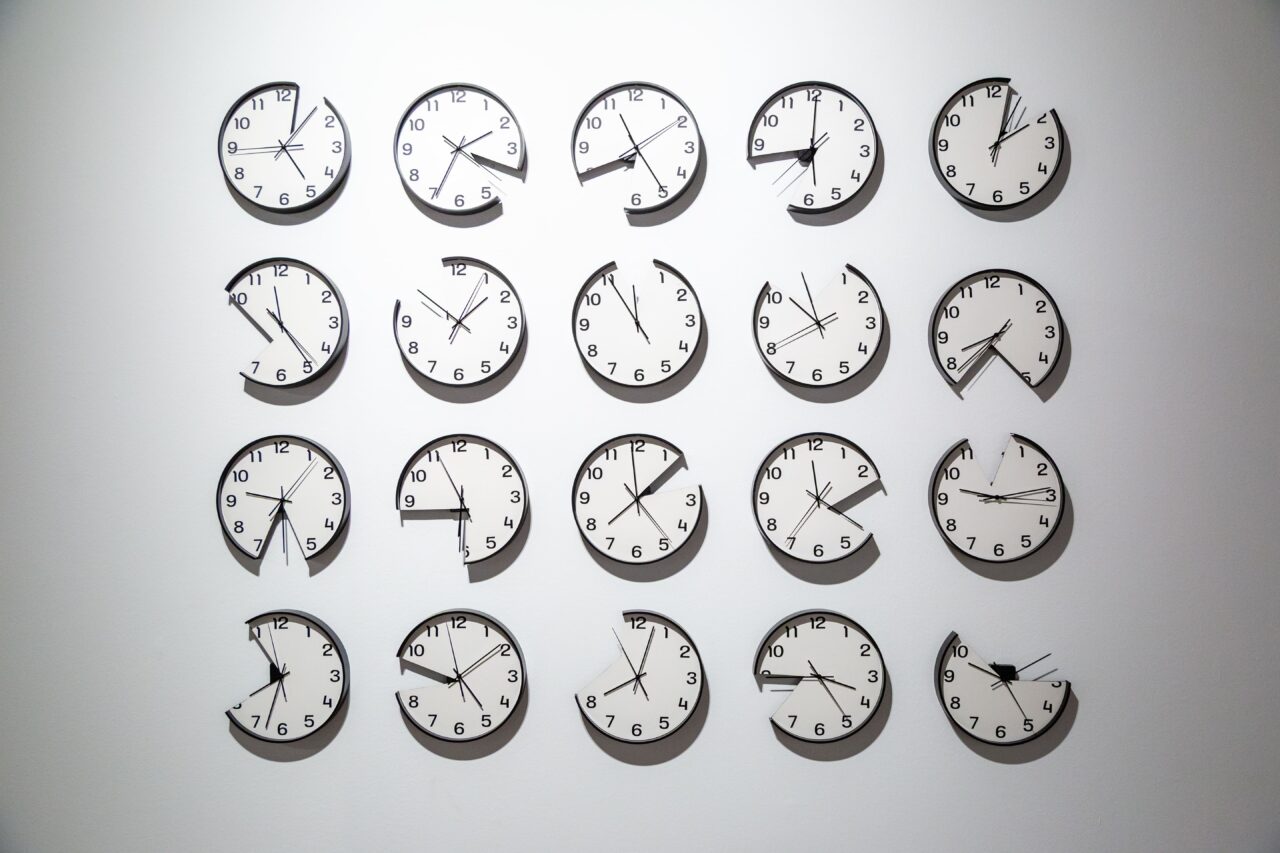
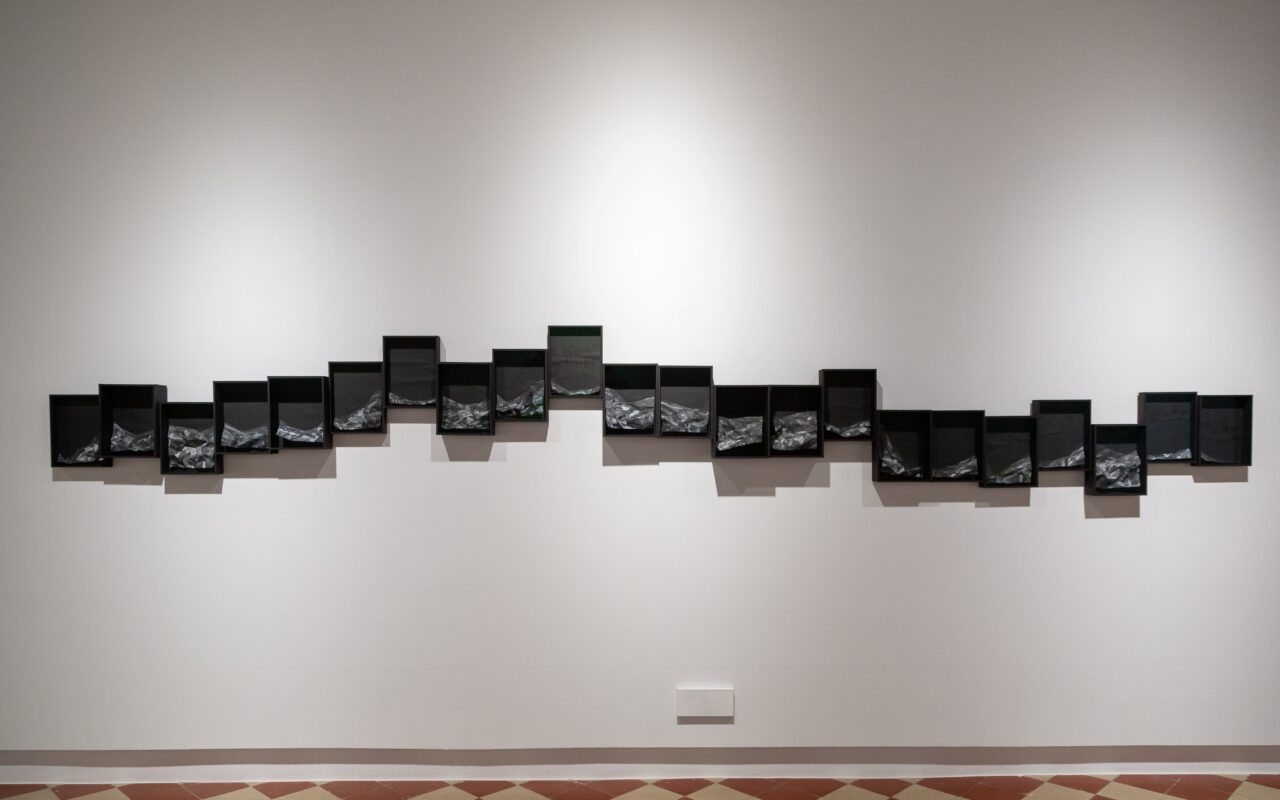
Time occupies a central place in the exhibition. In El tiempo y su retórica (Time and Its Rhetoric), Fonseca examines its dynamics and perception through a circular bookcase containing 250 books whose titles include the word “time.” This reflection continues in Tiempo real (Real Time), an installation of twenty incomplete metal clocks that continue to function despite the absence of some of their components, challenging notions of precision and continuity. Has the island perhaps become anchored in another time?
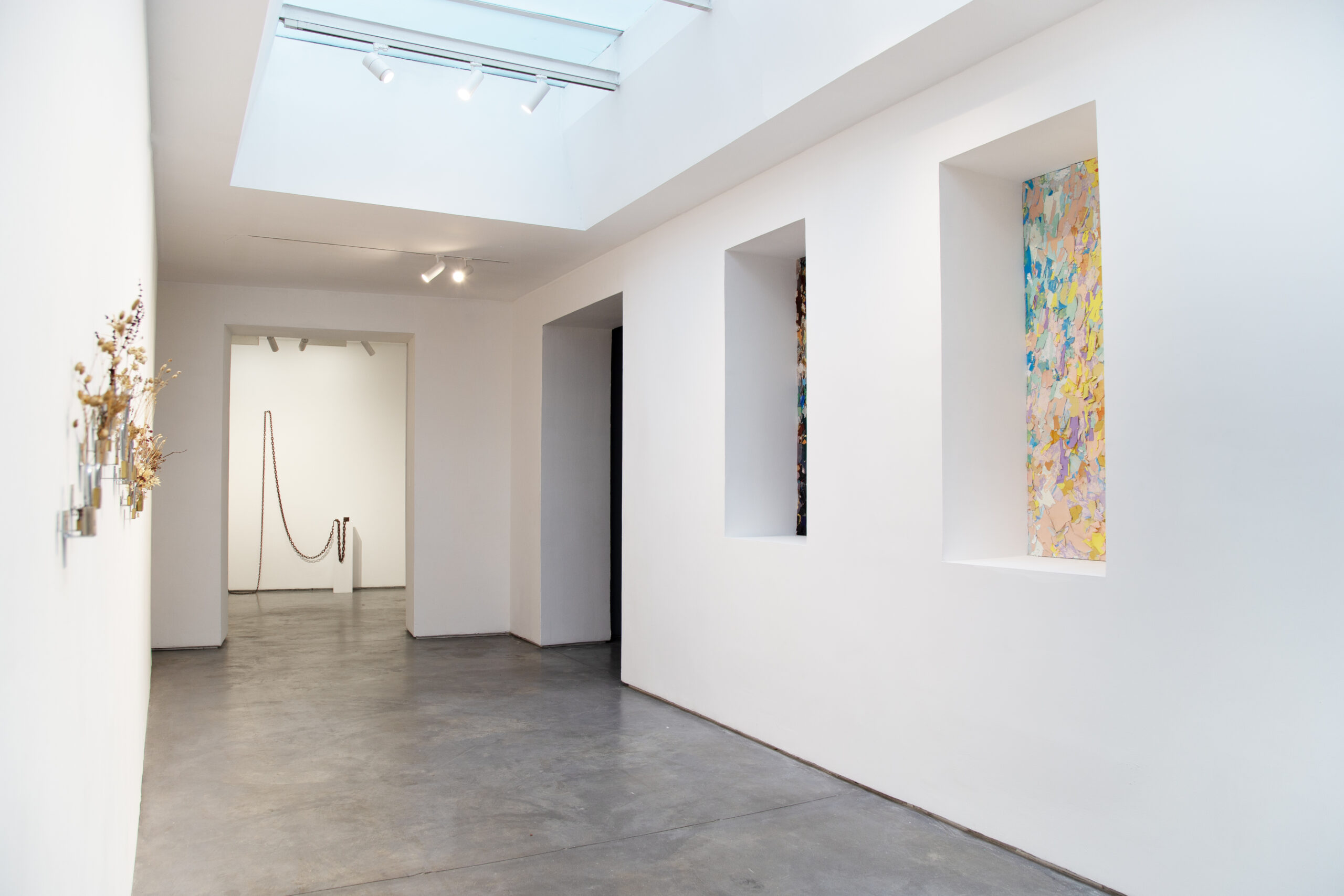
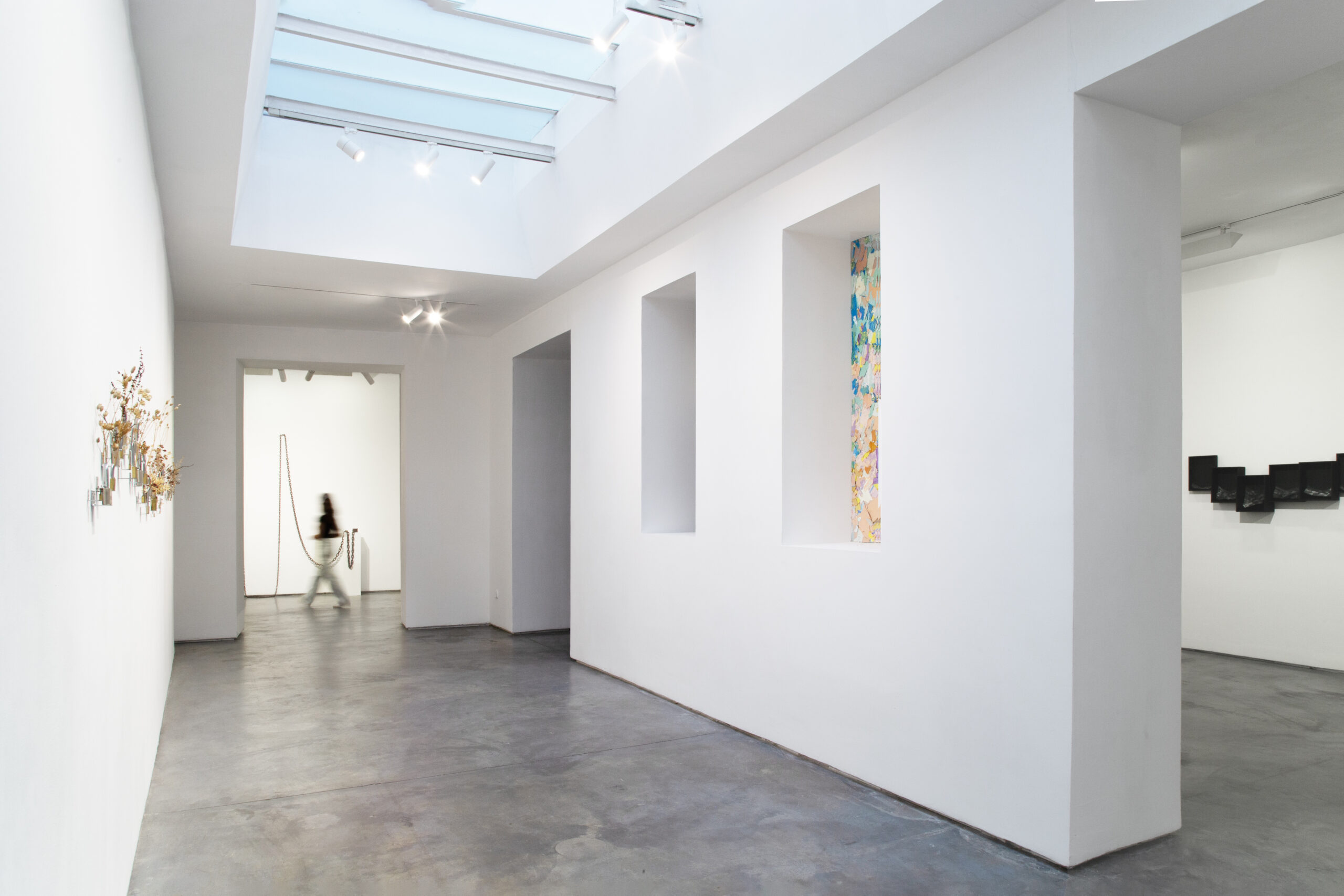
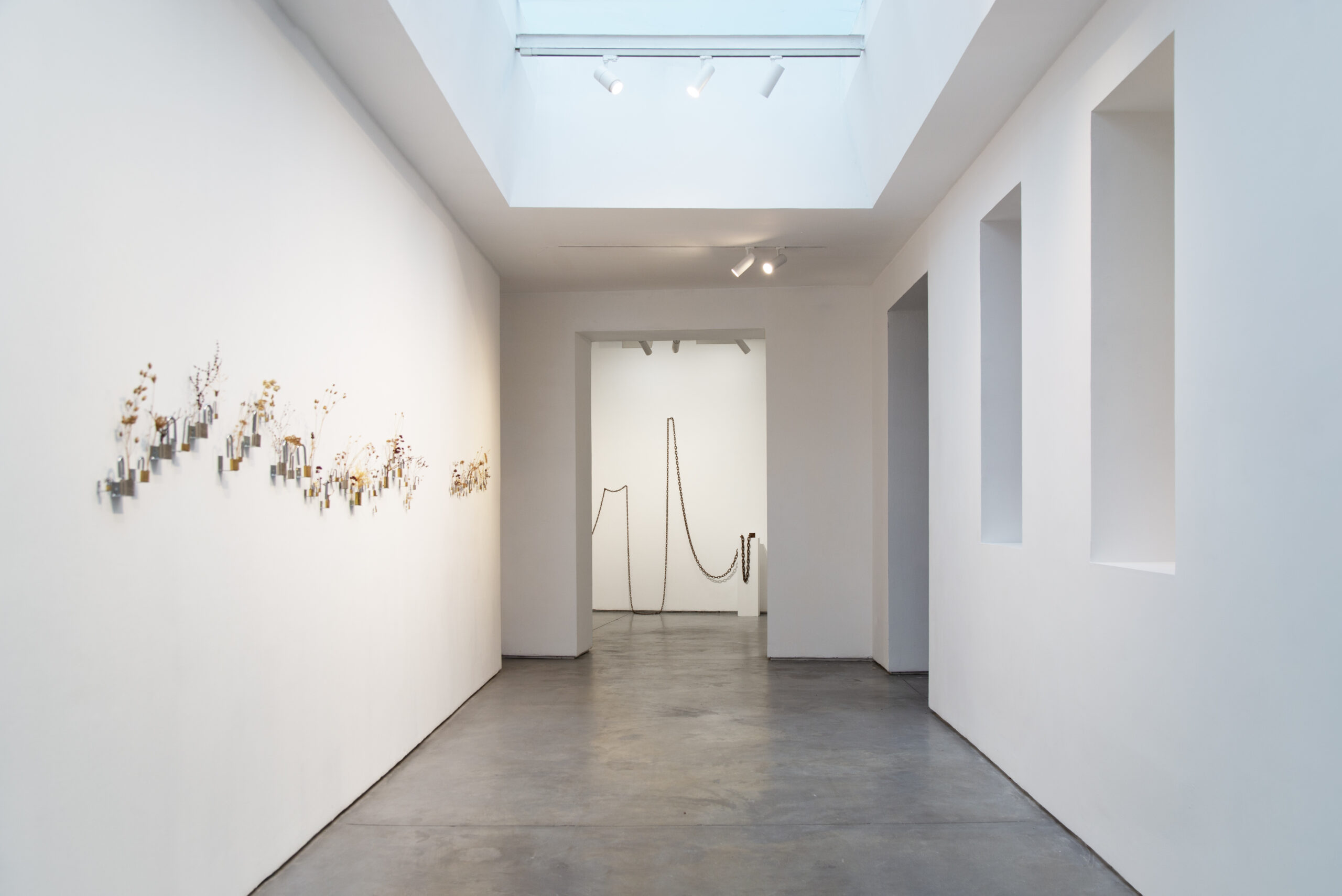
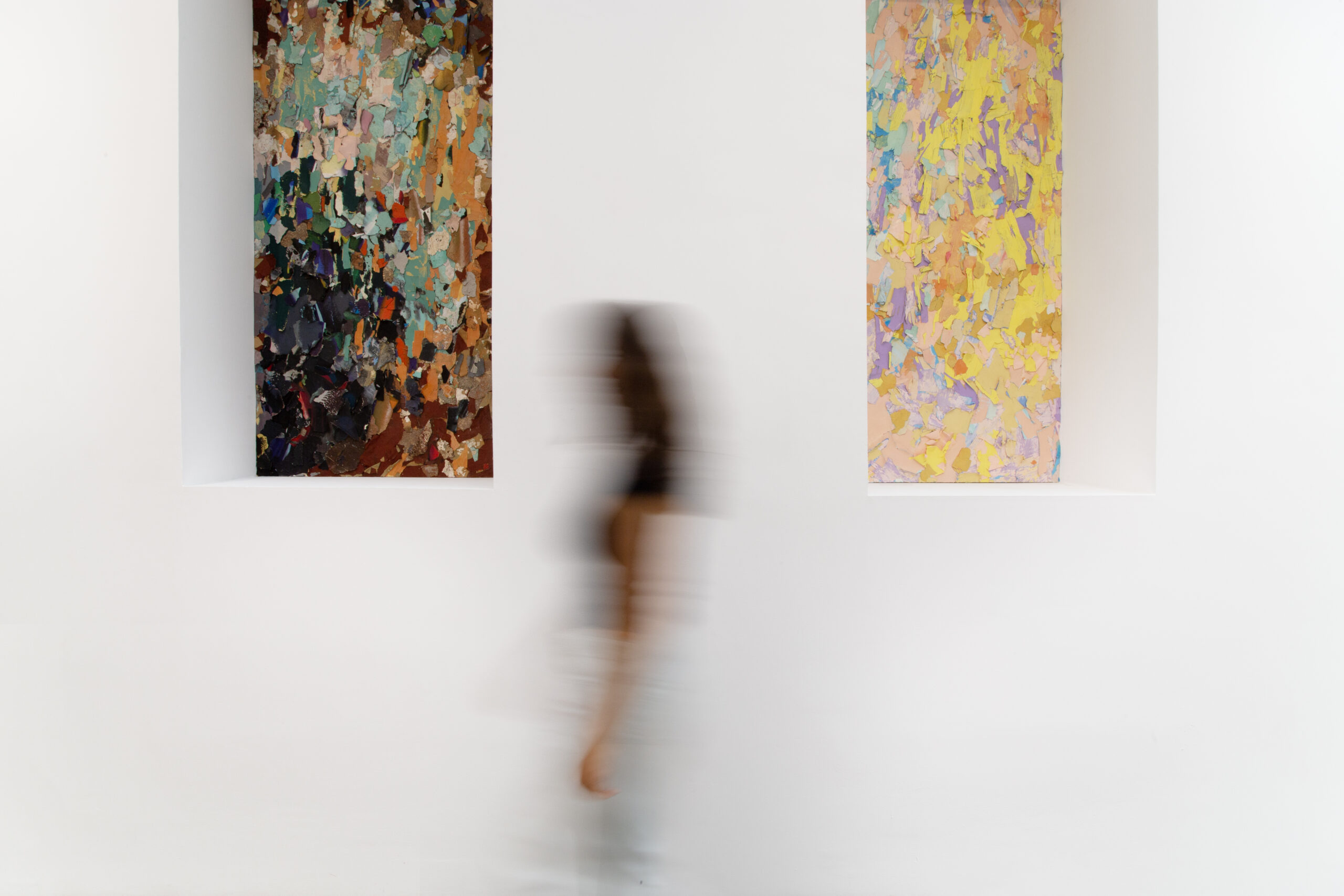
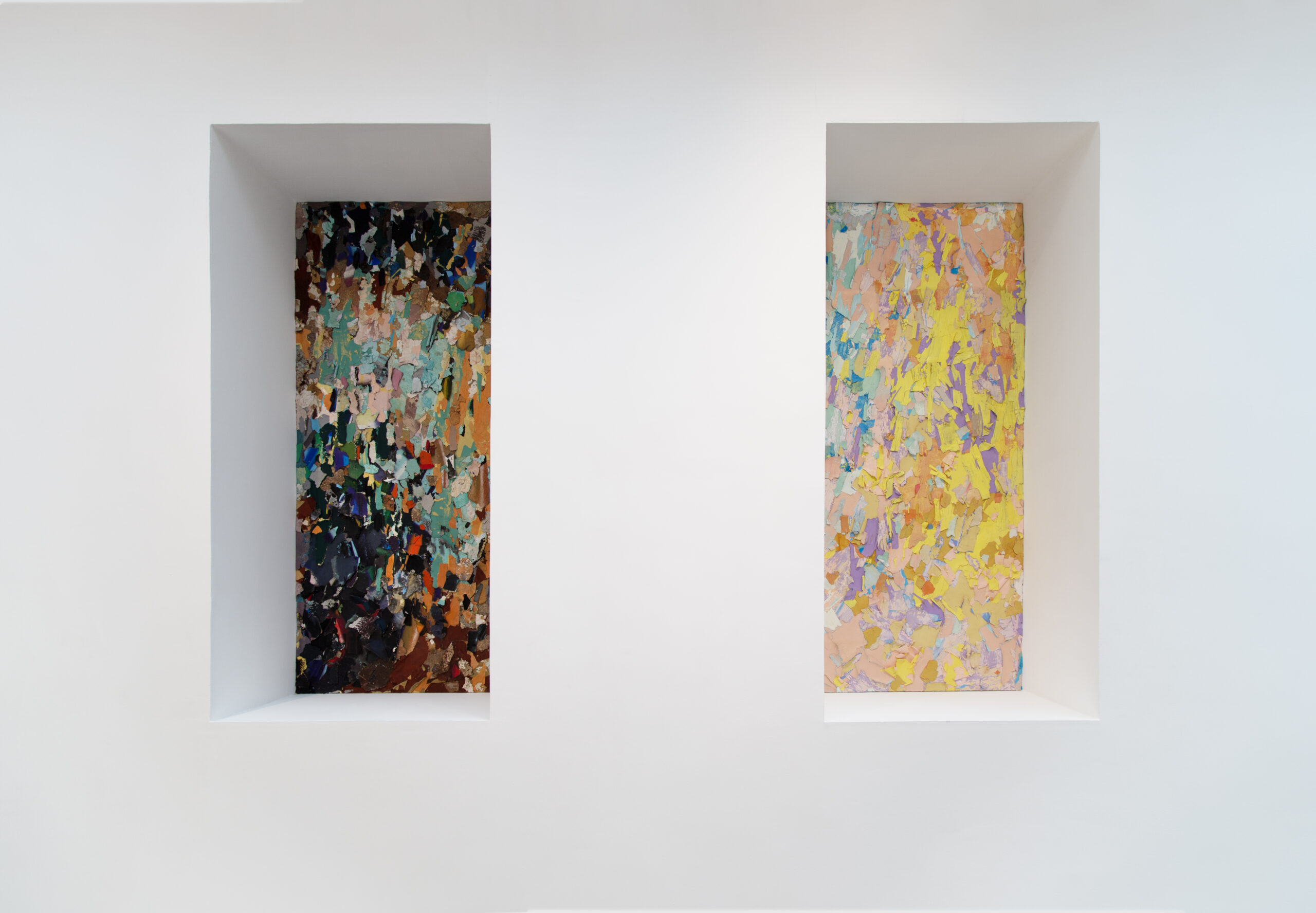
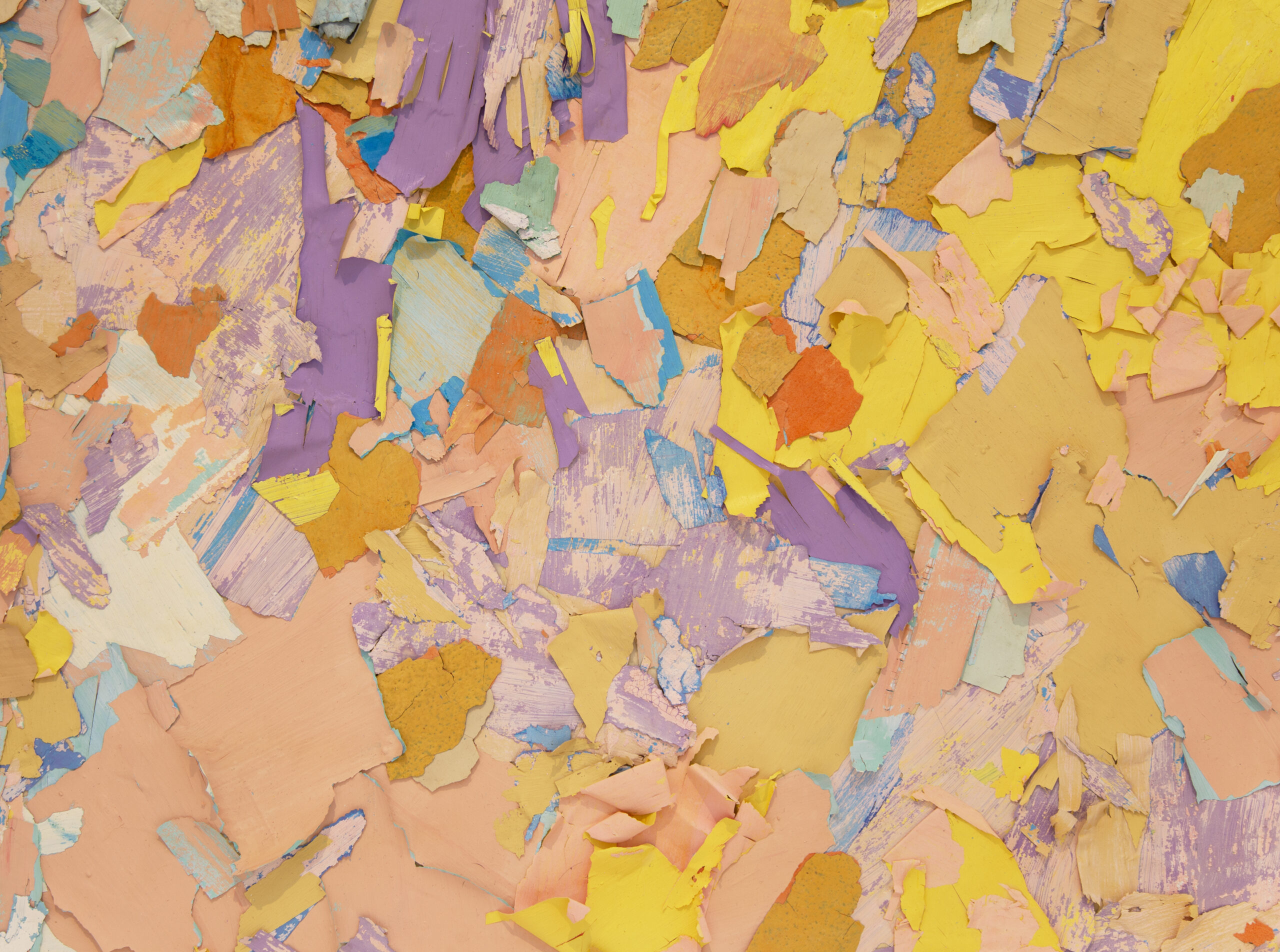
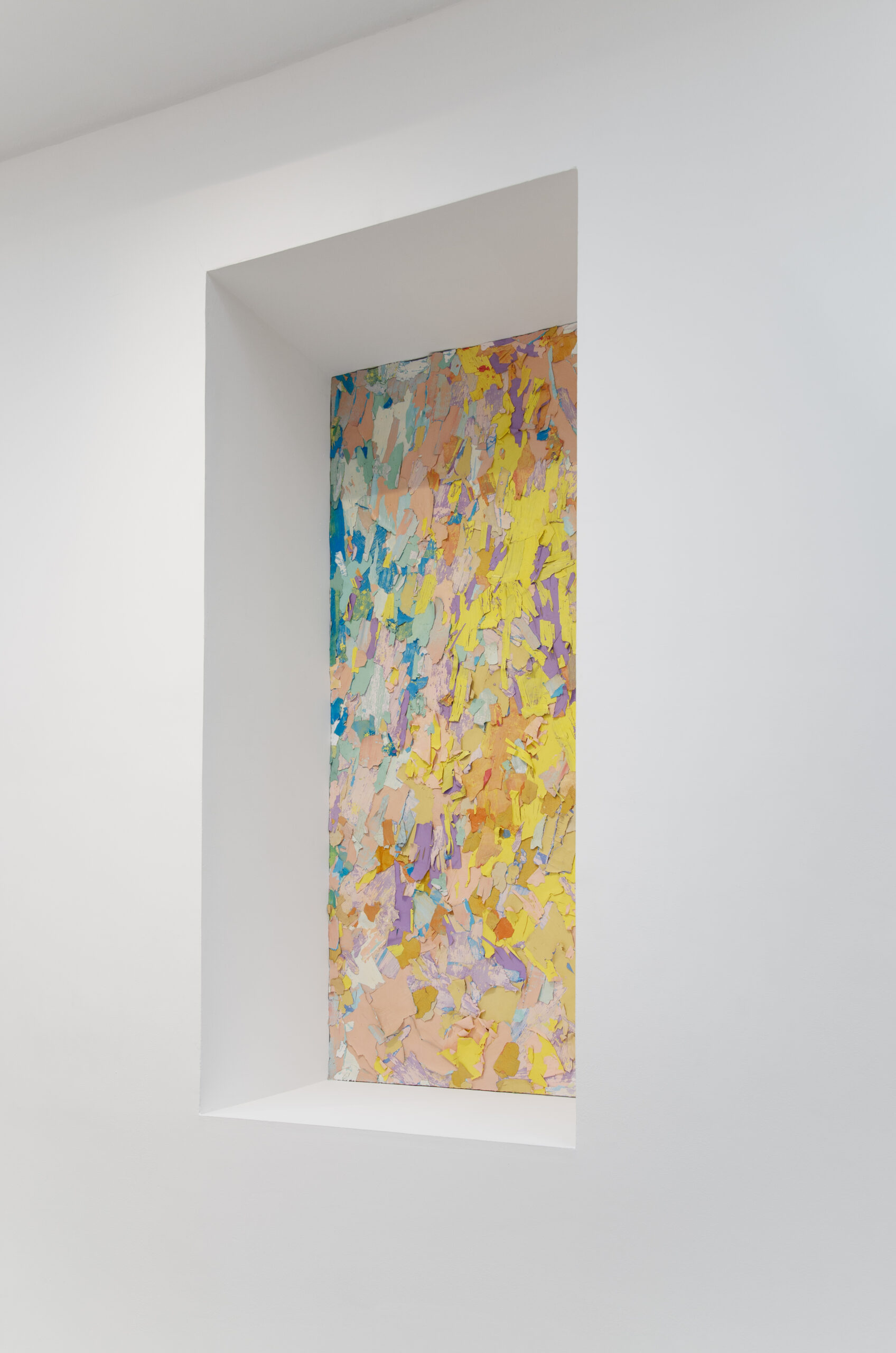
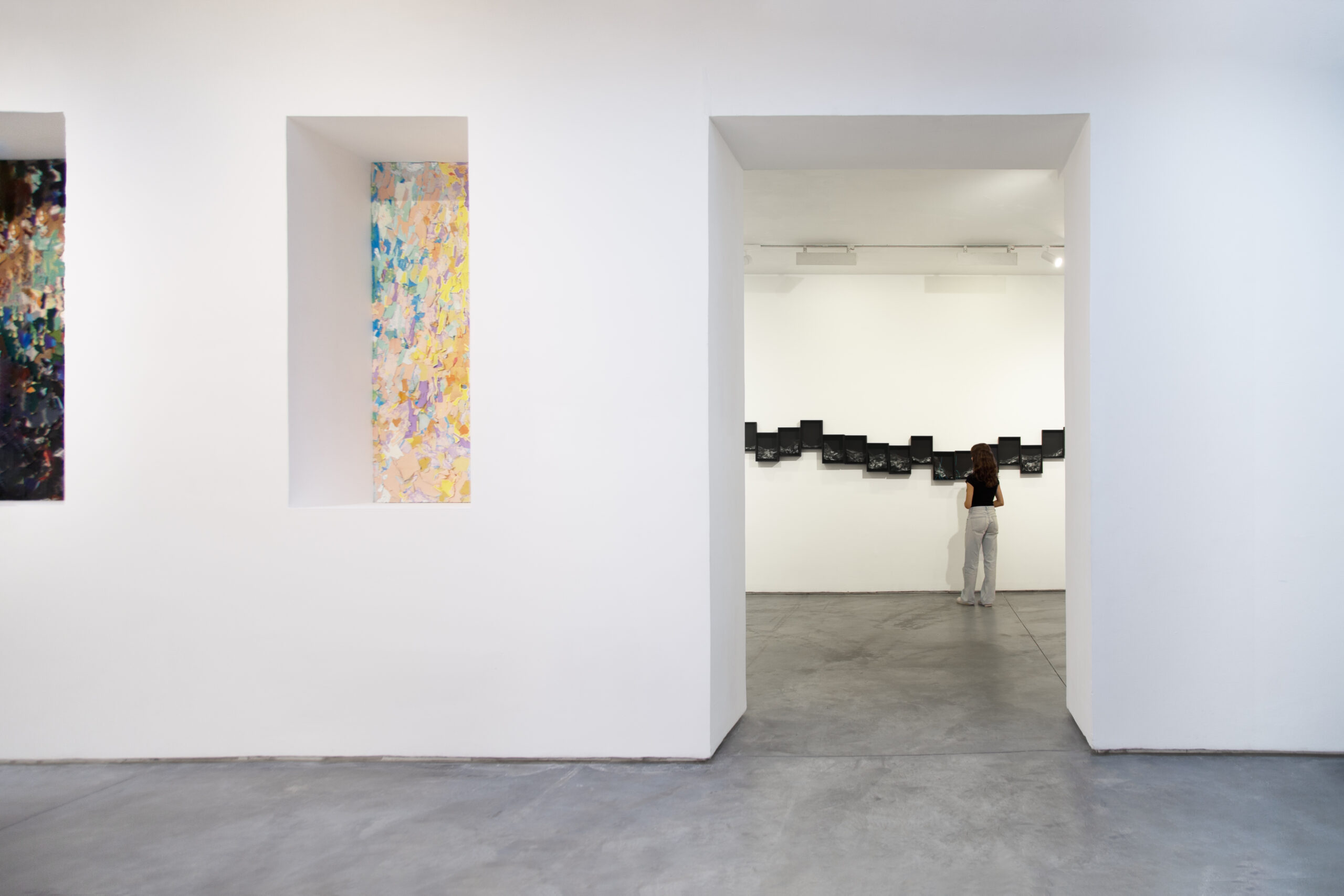
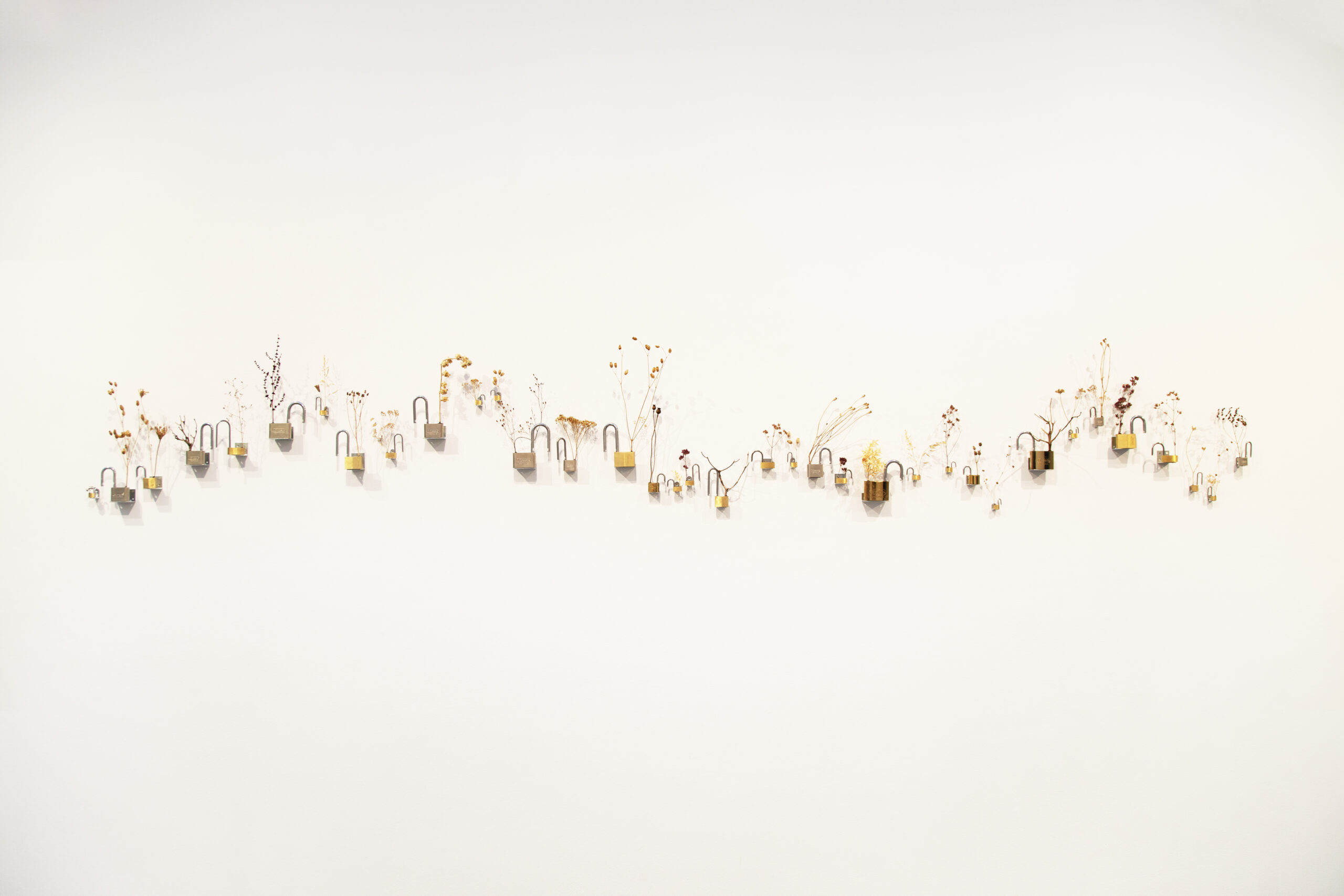
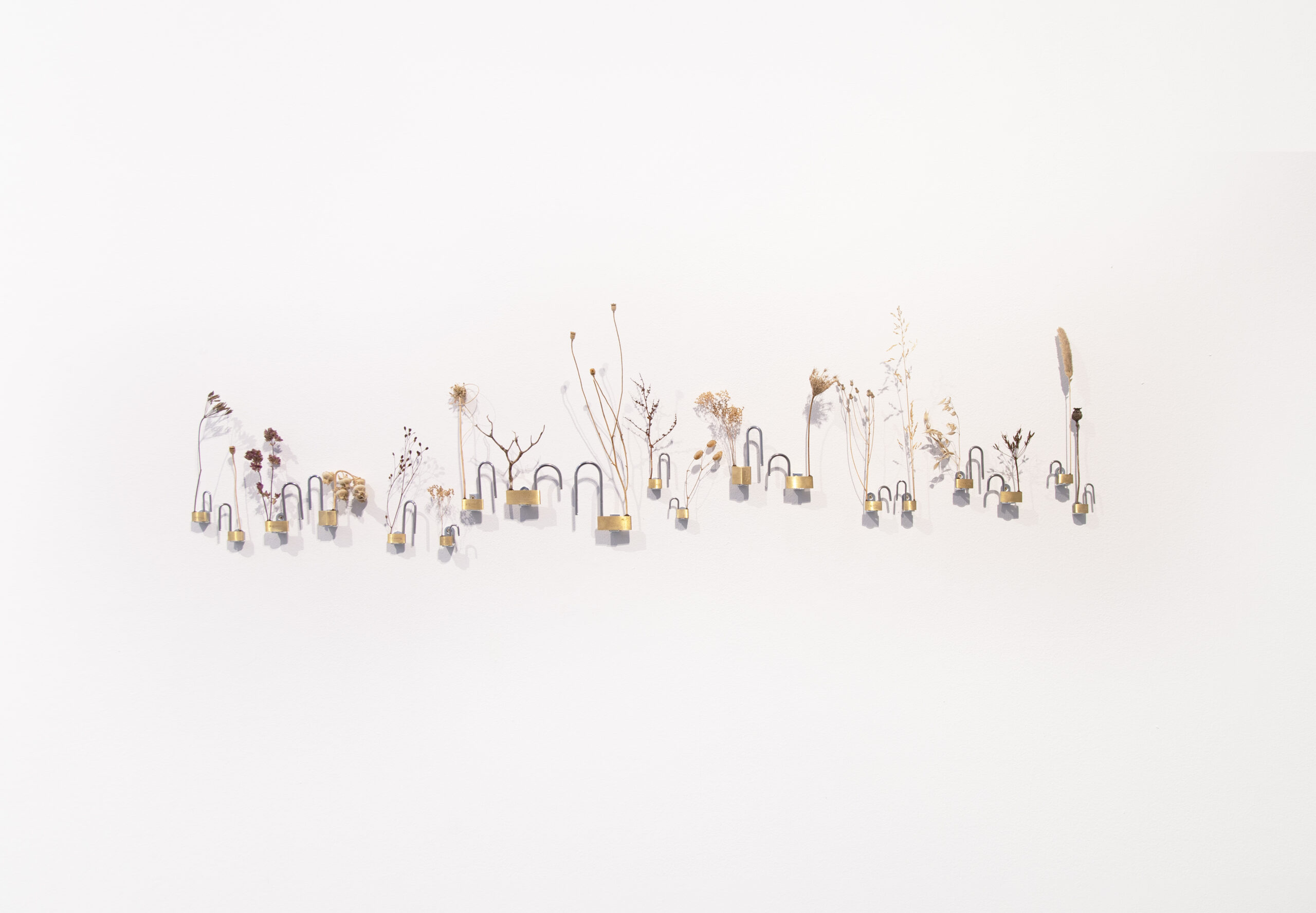
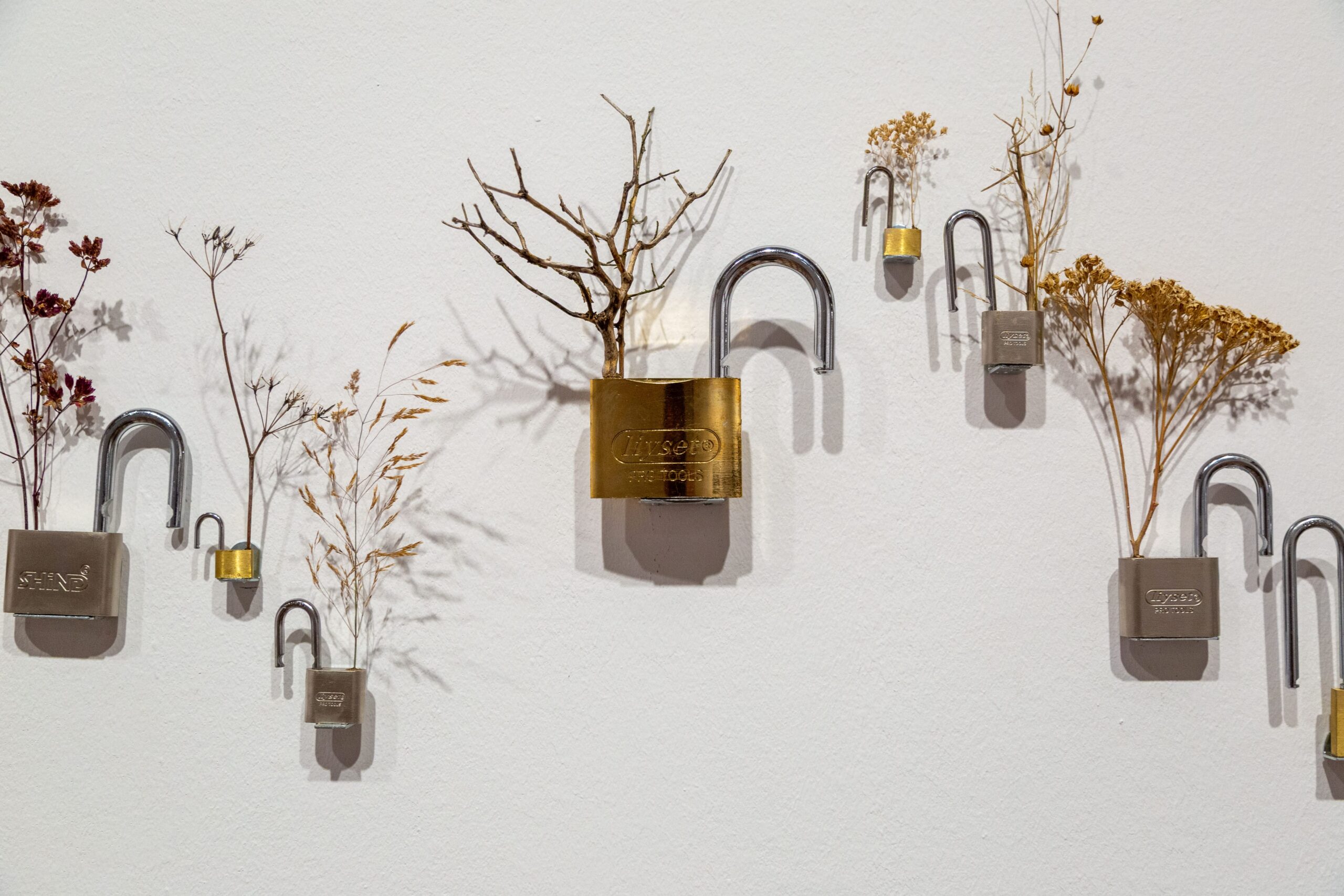
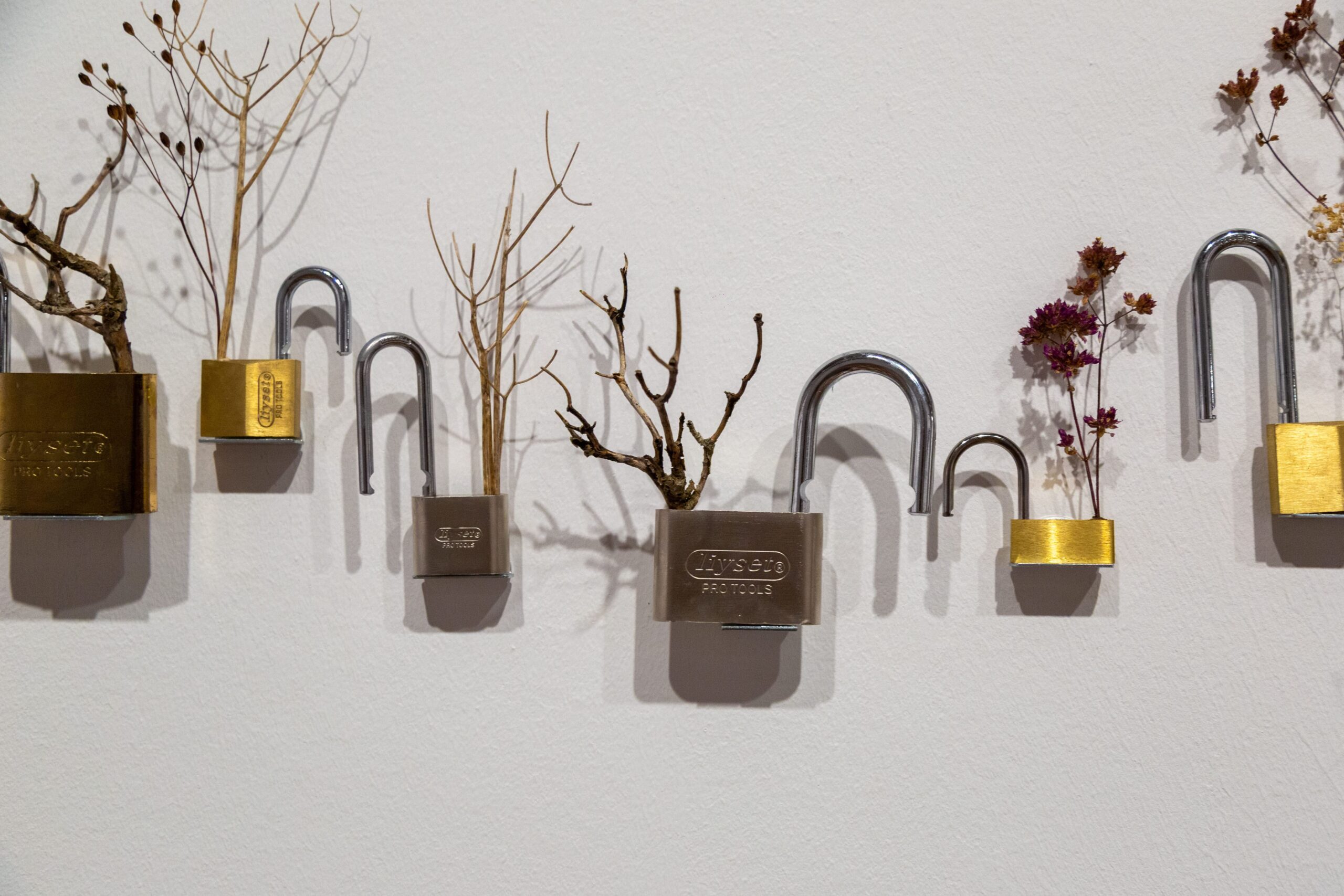
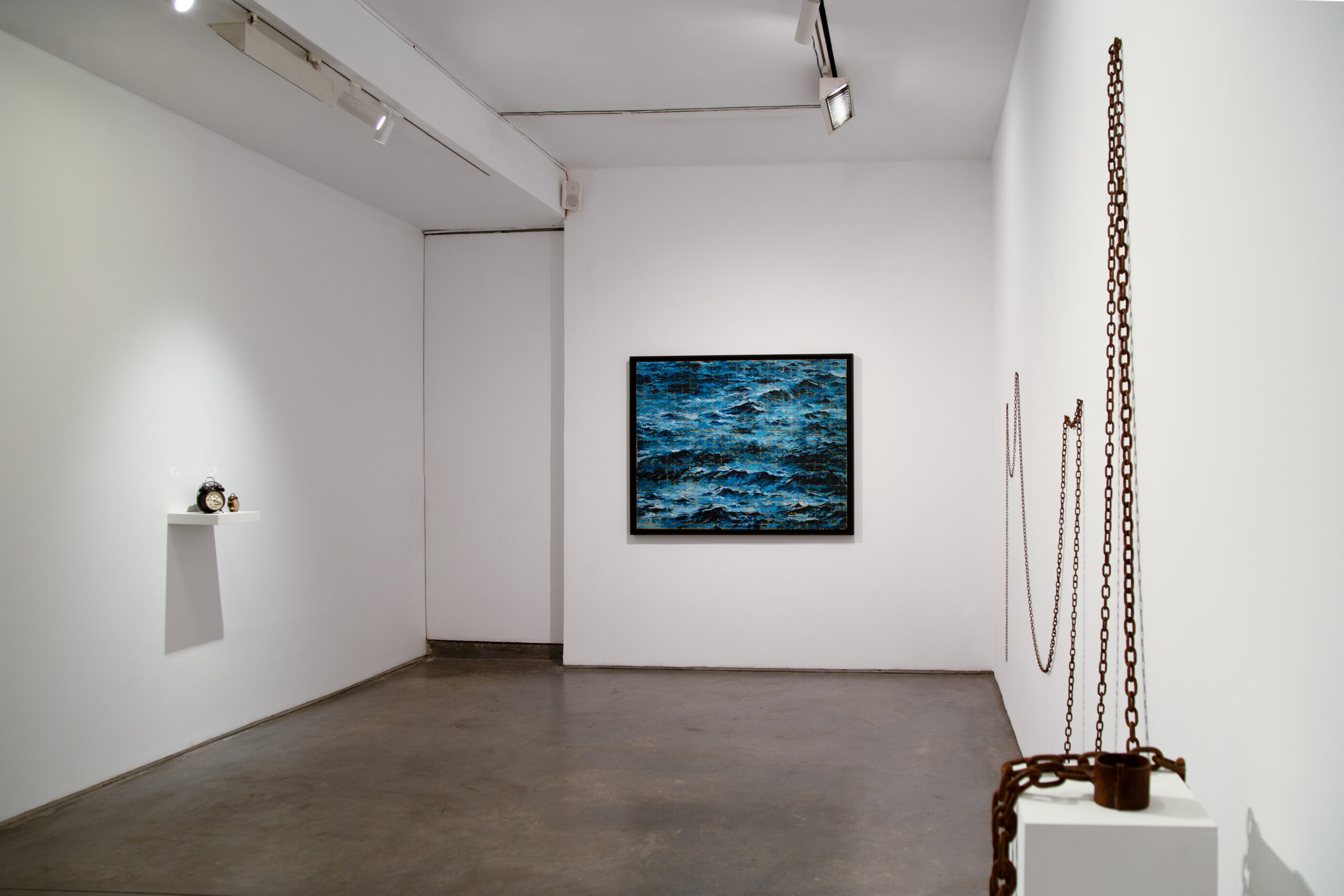
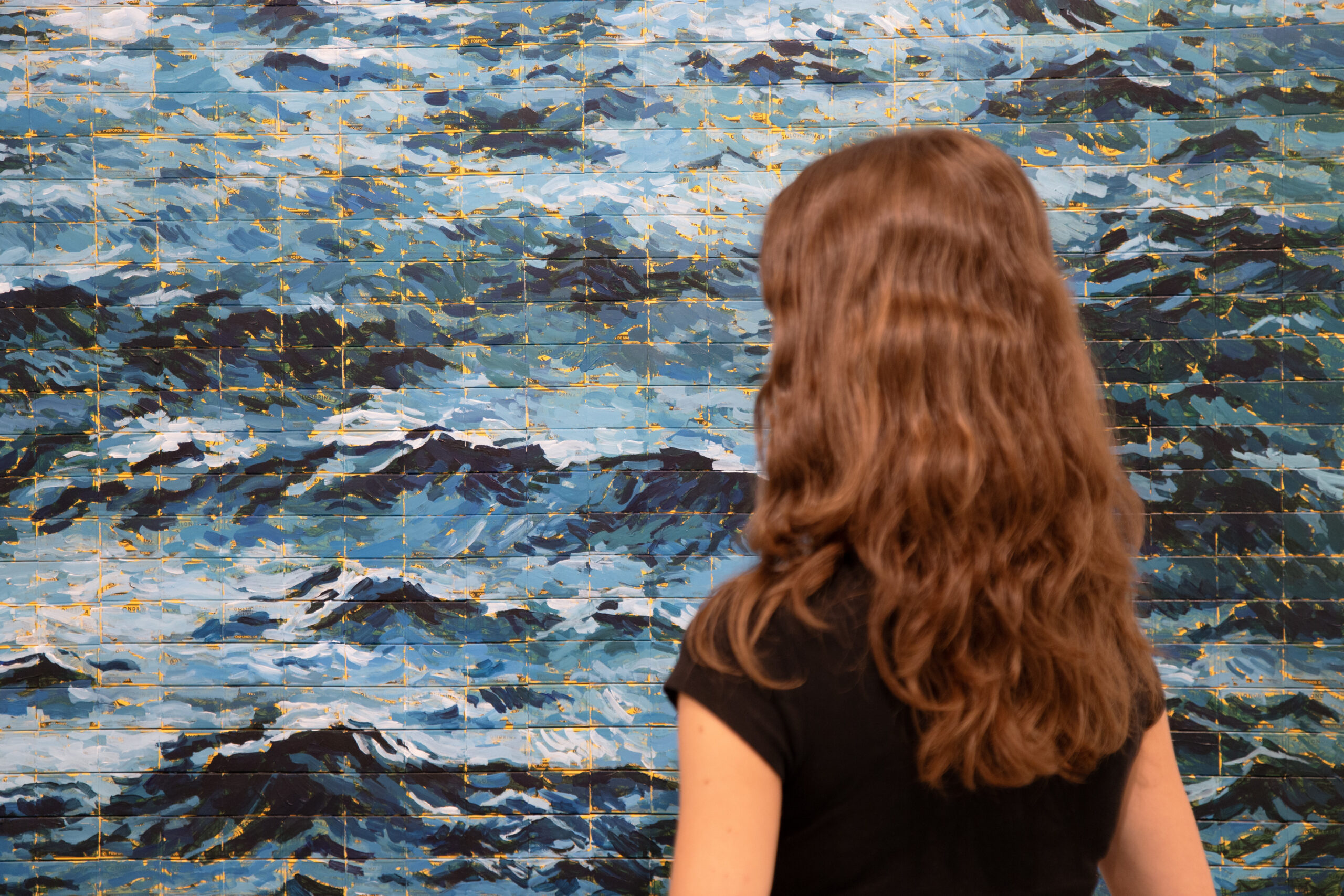
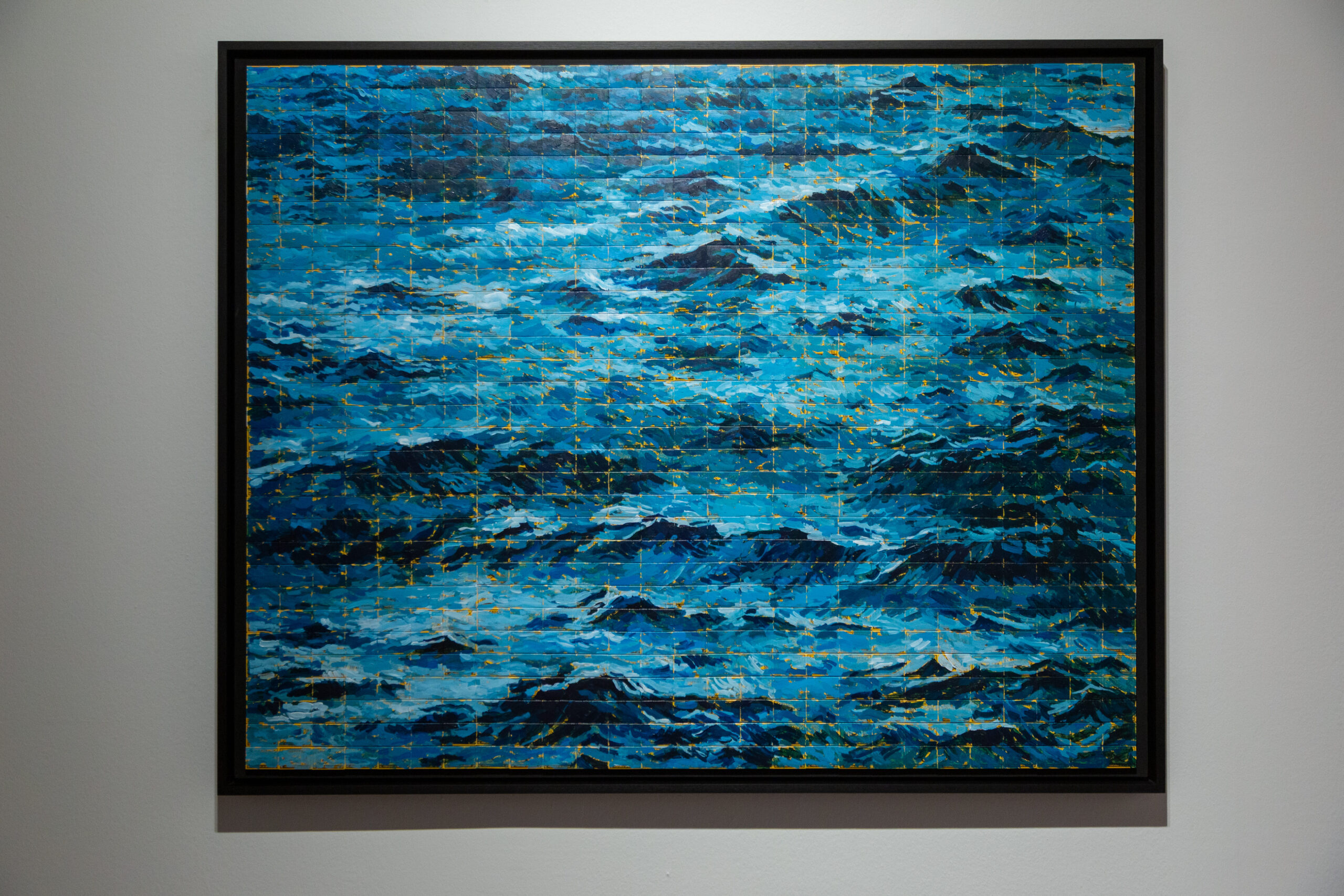
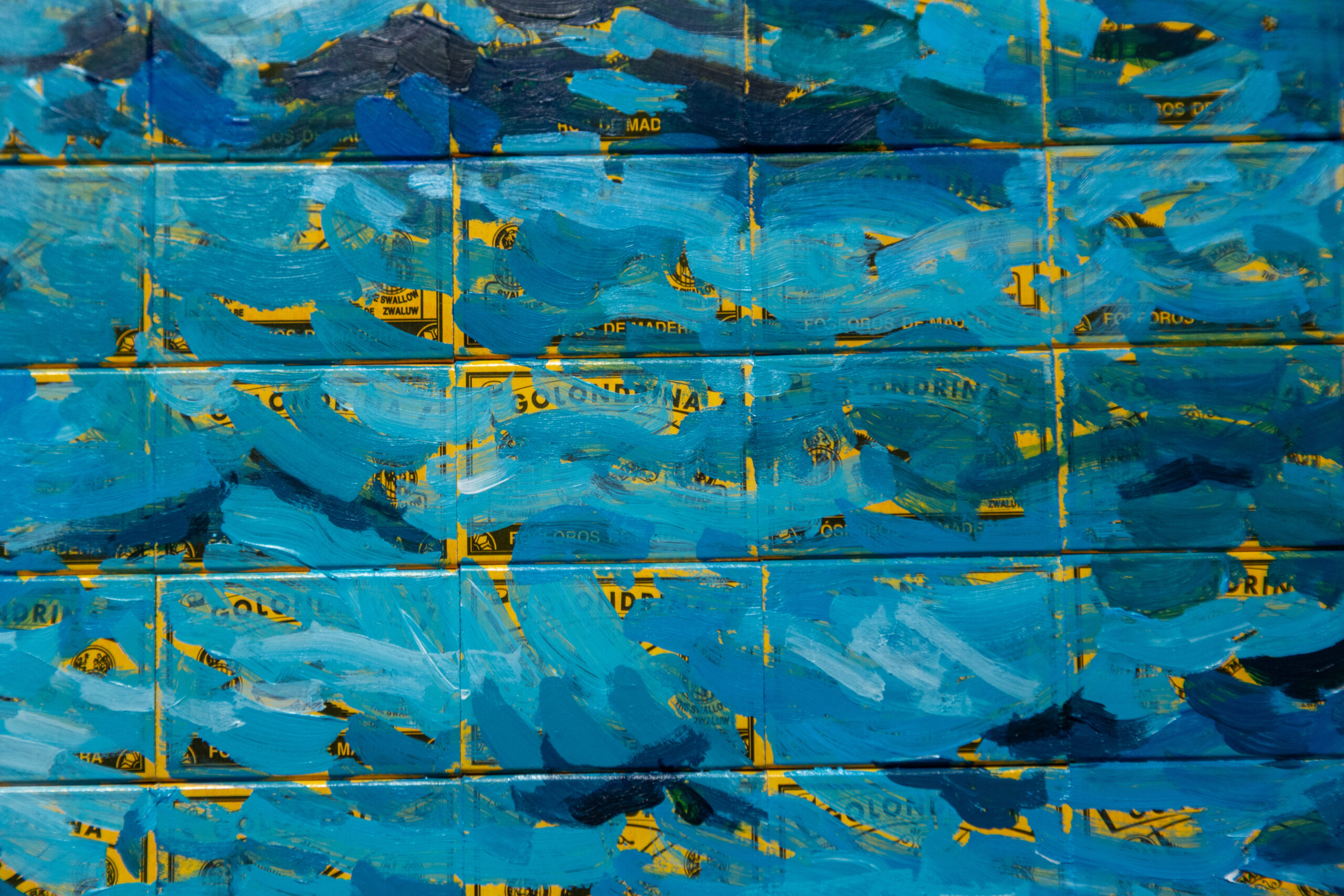
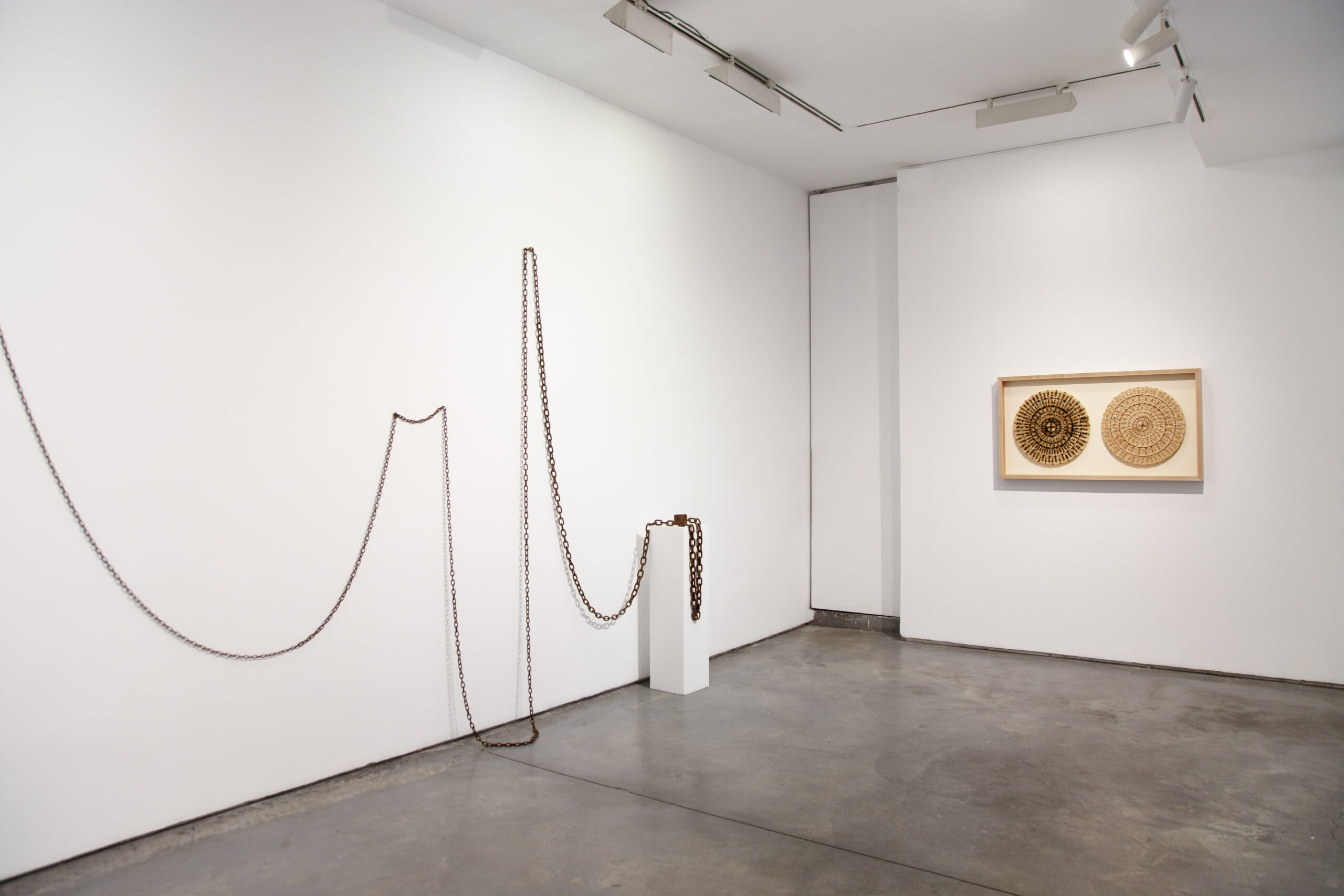
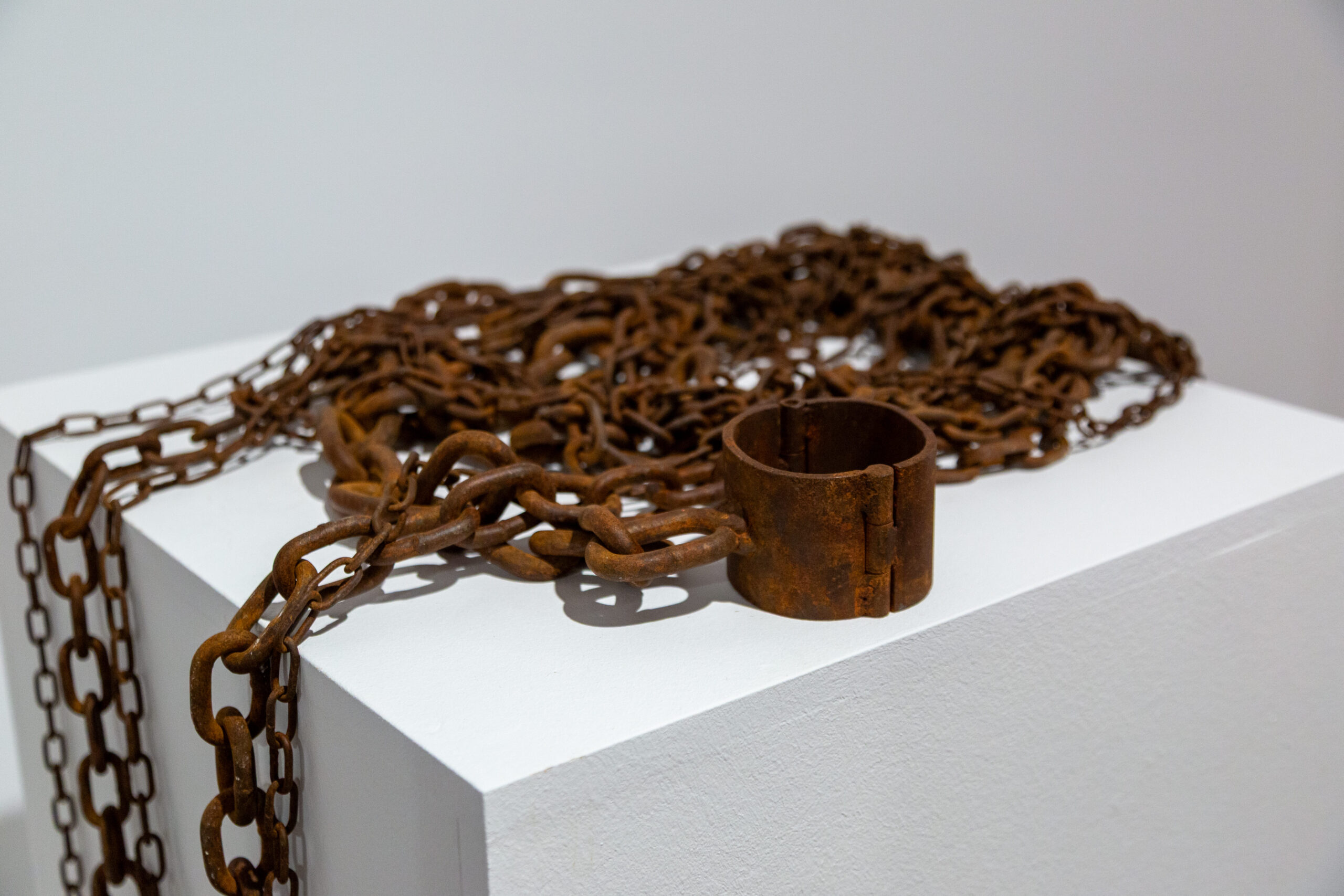
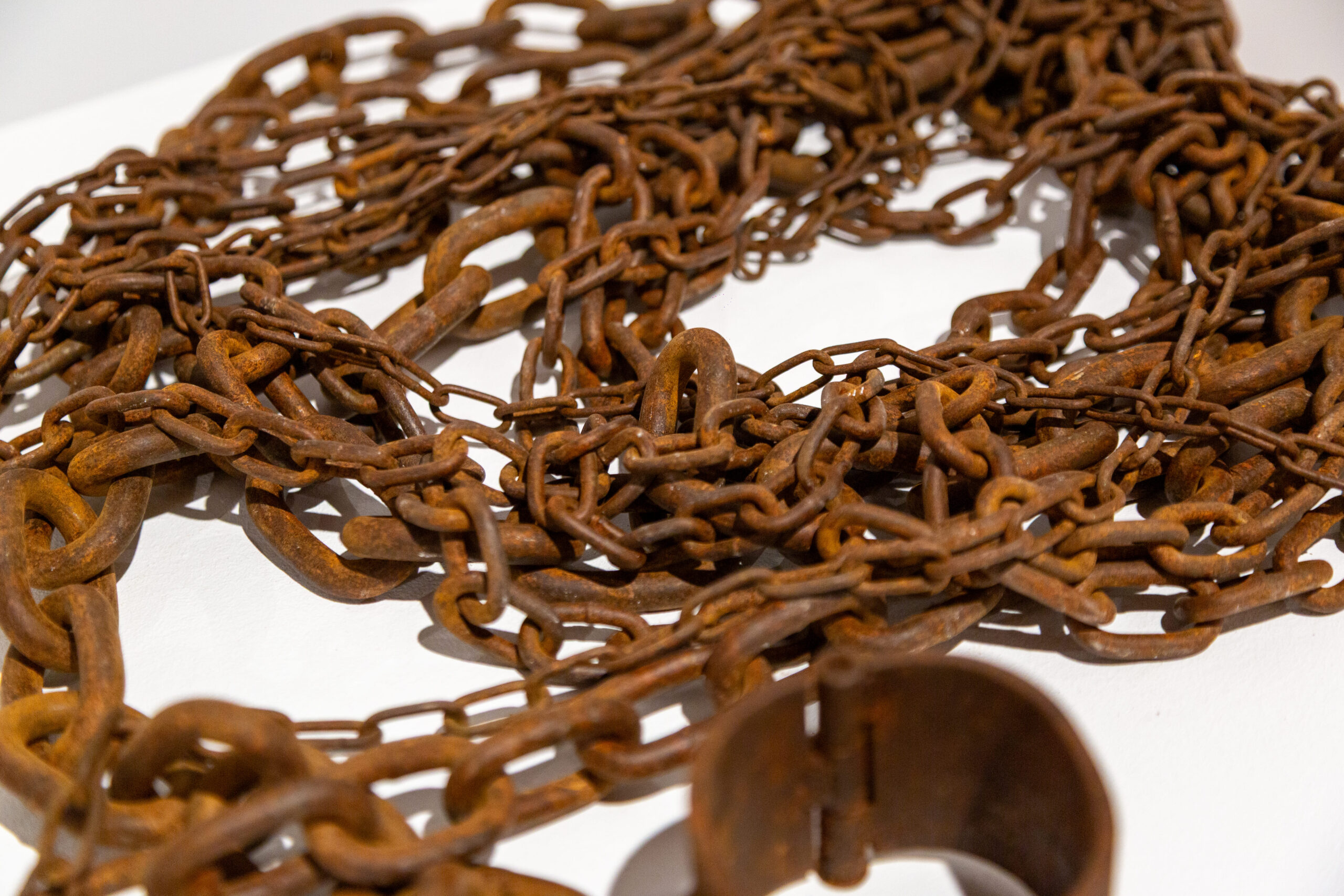
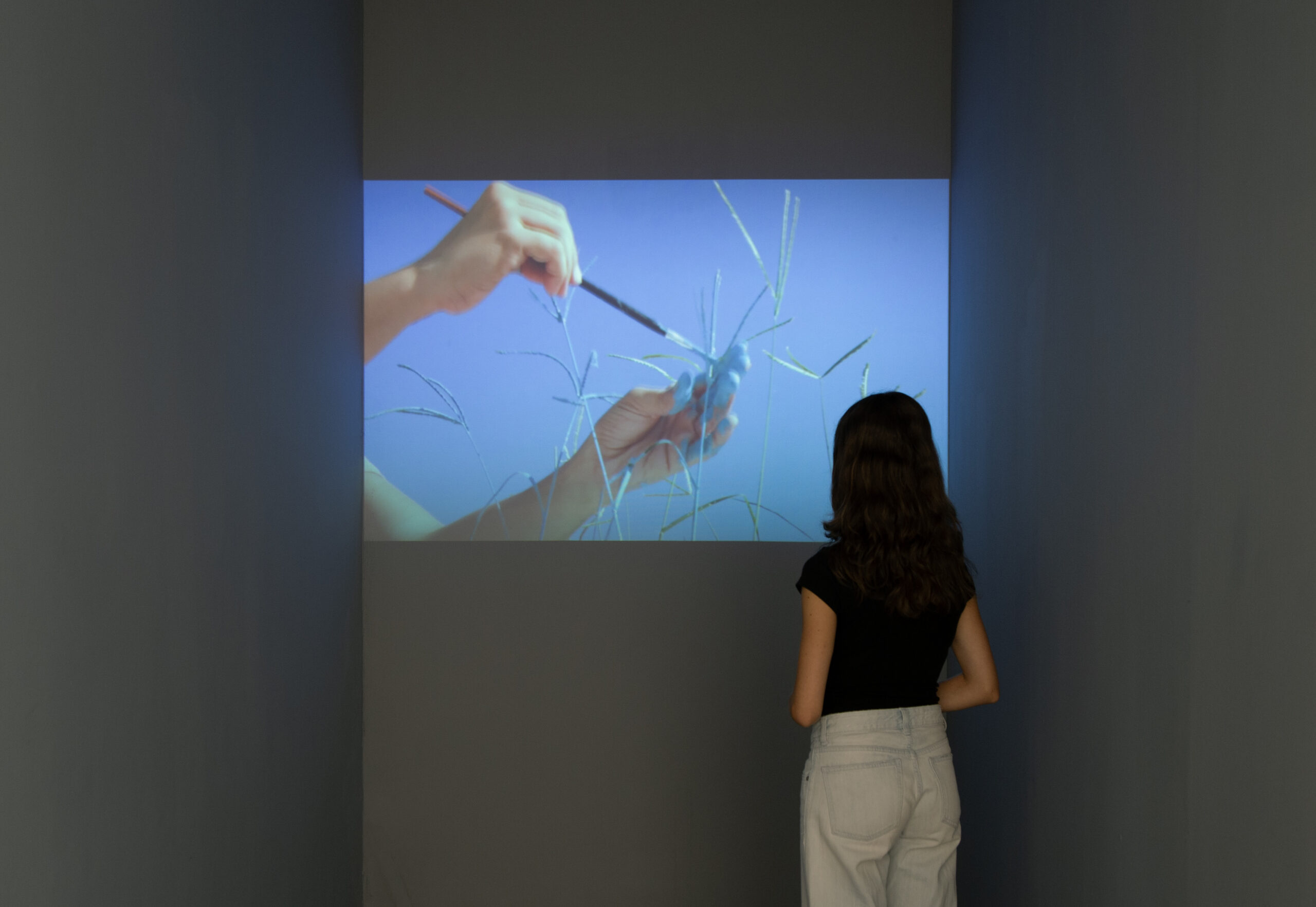
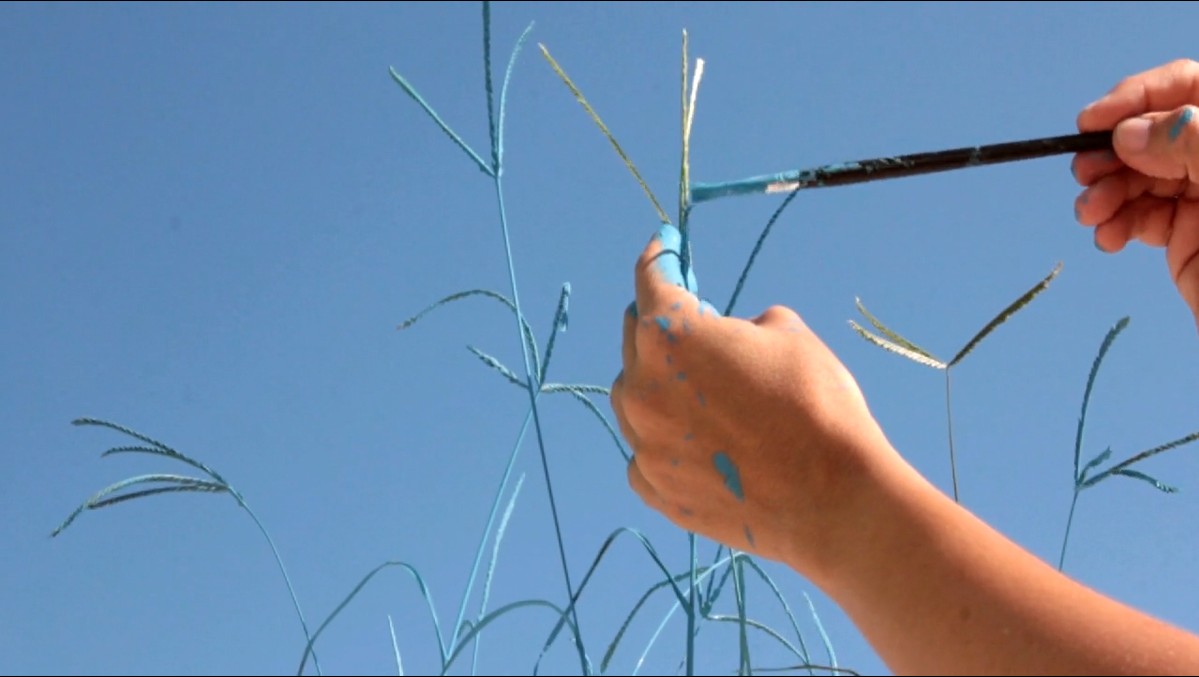
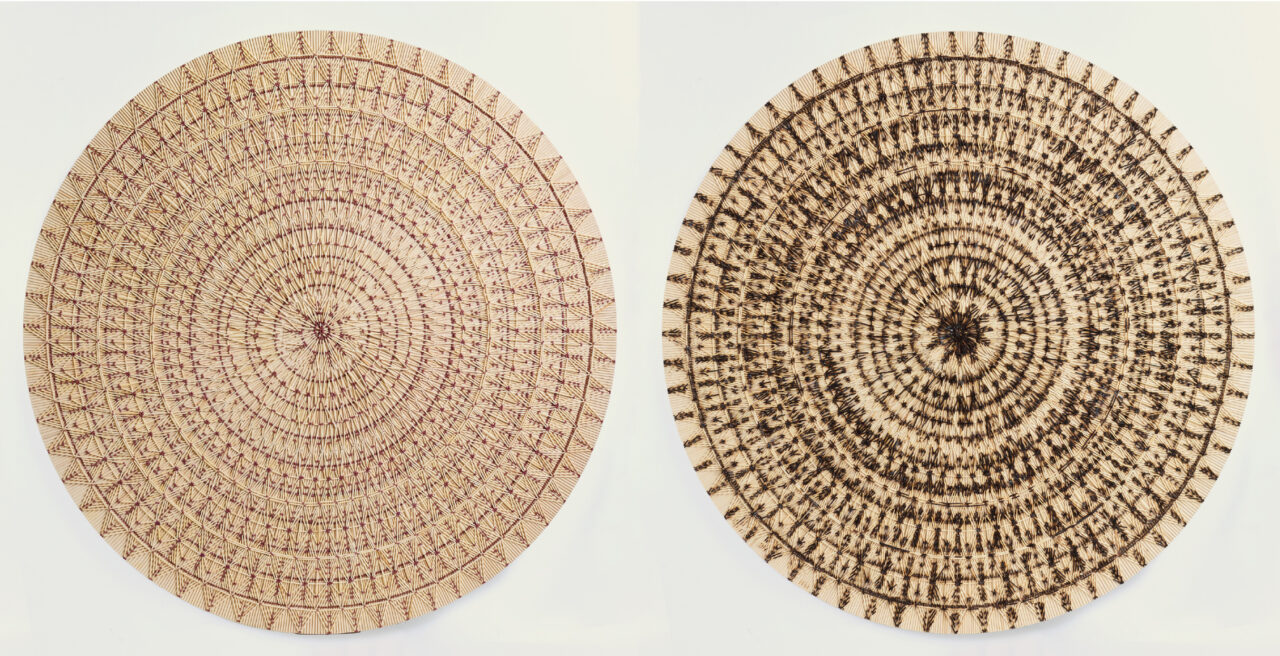
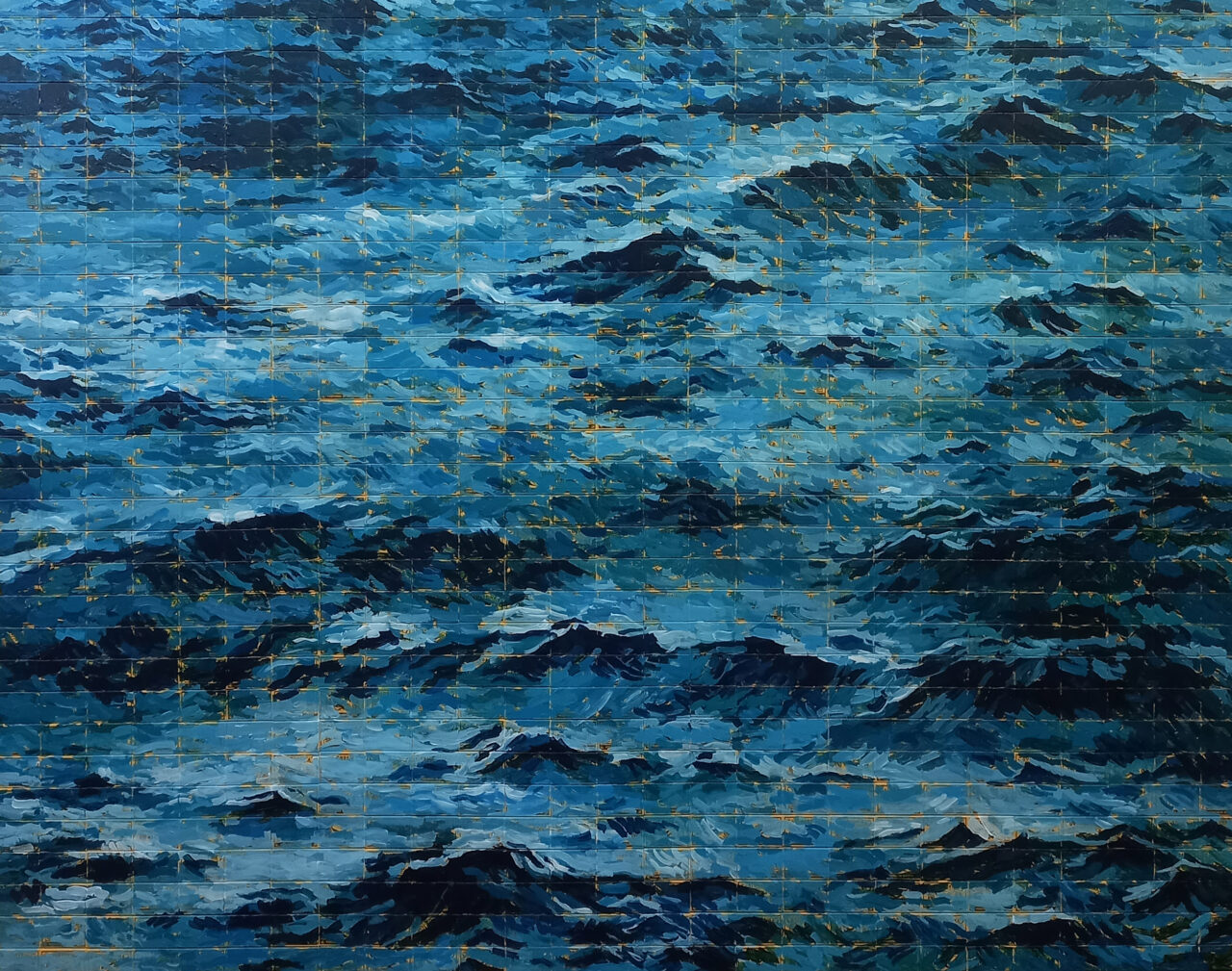
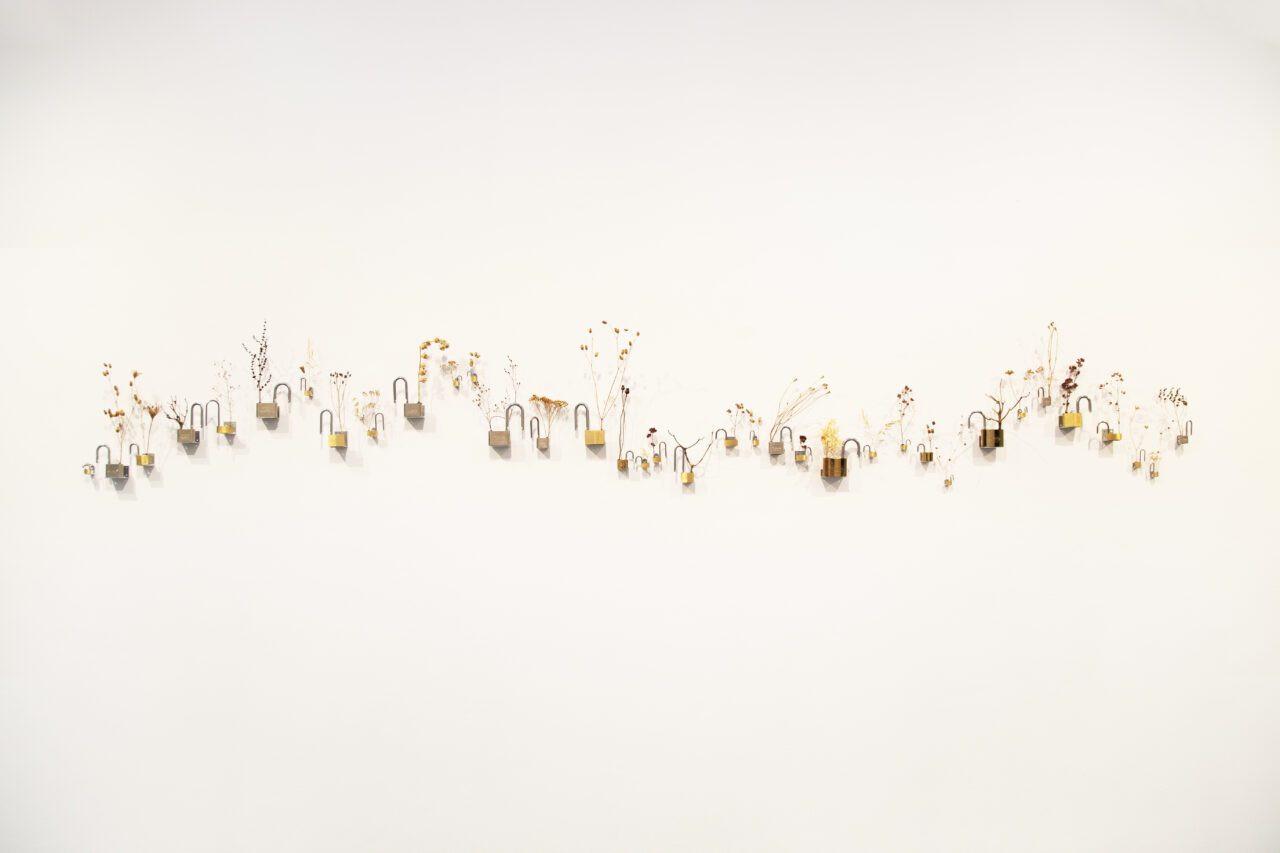
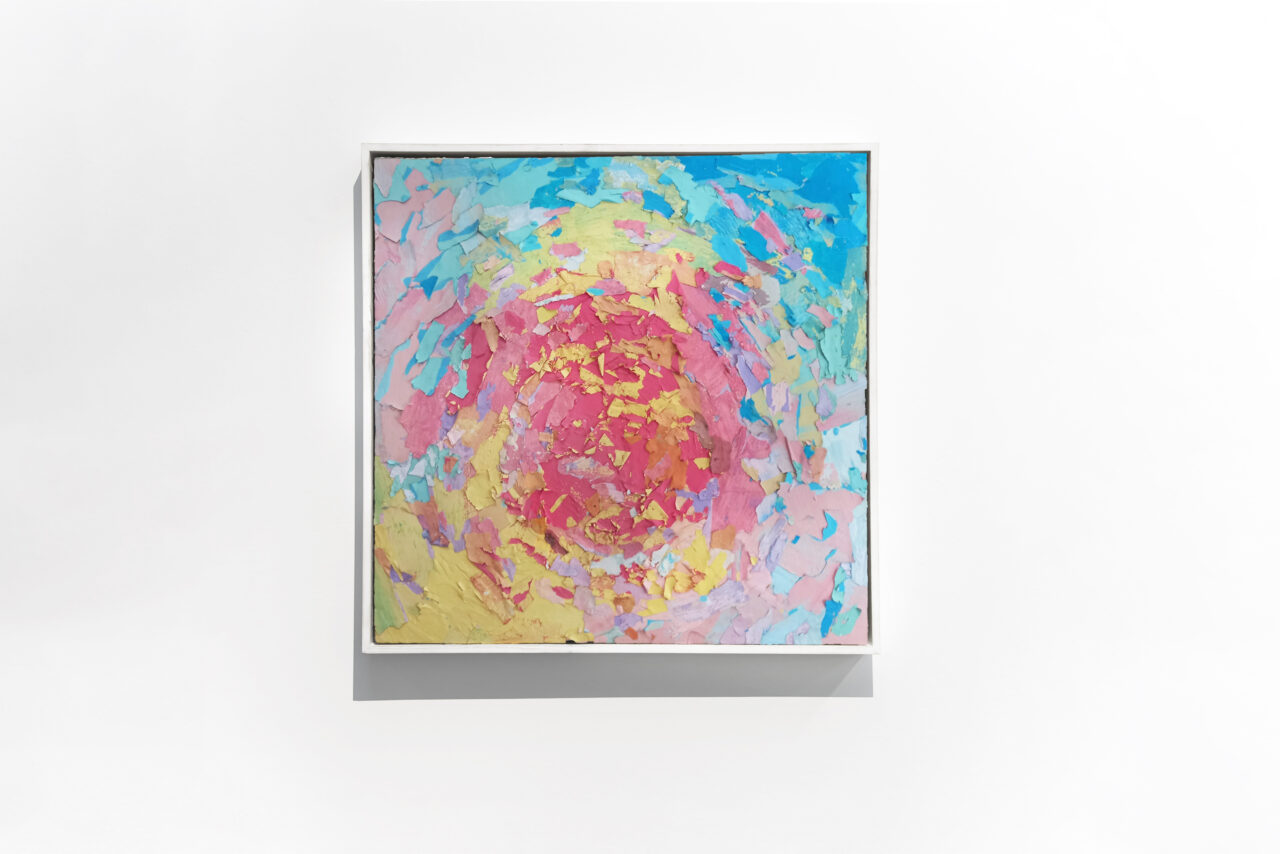
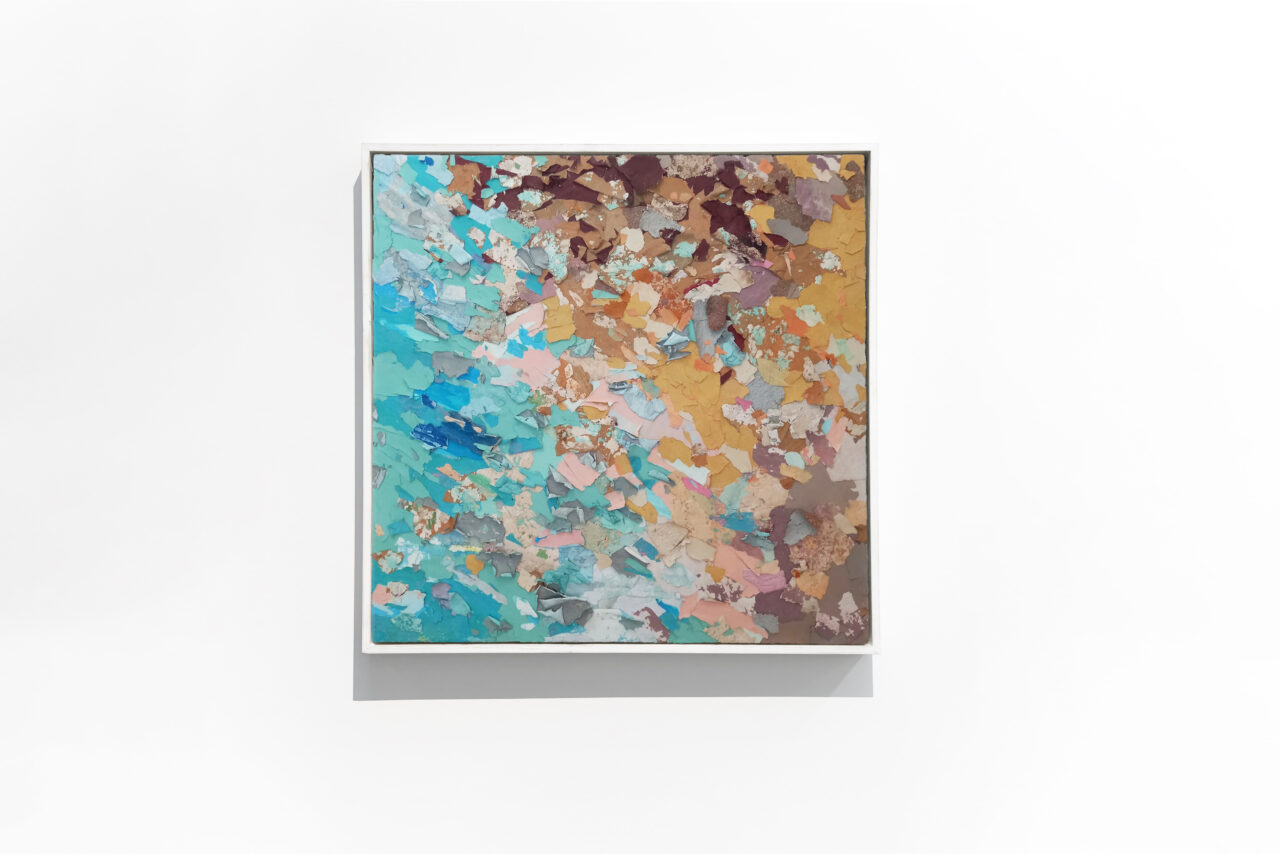
Nostalgia constitutes another of the central themes of her work. For this exhibition, Fonseca revisits her acclaimed series Degradaciones (Degradations) for a site-specific installation created within the openings of the central gallery space, where fragments of paint detached from the façades of Havana are transformed into abstract compositions and material traces of the city’s evolution over past decades. These remnants, marked by architectural decay, evoke memory, deterioration, and the layers of history accumulated across the urban landscape, reflecting in their degradation the fragility of contemporary Cuban reality. In front of them, La libertad dibuja un difícil paisaje (Freedom Draws a Difficult Landscape) materializes this reflection through an installation of padlocks and vegetation. The padlock, as a symbol of closure and control, appears here open, becoming the starting point for a hopeful landscape. In the final room, Contemplación (Contemplation) brings together dozens of painted matchboxes that form the ocean the artist had to cross and that today separates her from her homeland. Alongside it, Tentación-consumación (Temptation-Consummation) uses both intact and burnt matches to explore the passage between desire and its fulfillment, turning combustion into a metaphor for the ephemeral. The exhibition concludes with La culpa (Guilt), a work composed of iron chains and shackles that, through its very materiality, introduces a reflection on weight, restraint, and that which remains bound to us.
Diana Fonseca is an artist devoted to the almost obsessive dismantling of simple things and the everyday events that surround her. Perhaps for this reason, or because of the lyrical quality of her work, she captures diverse images of reality and interweaves them into narratives that speak of contemporary life, visual saturation, emptiness and banality. A graduate of the Instituto Superior de Arte (ISA) in Havana, she has exhibited in leading galleries and museums across Cuba, Europe and the United States. In 2015, she received the EFG Bank & ArtNexus Acquisition Award in Bogotá. Most recently, she presented a monographic exhibition under the same title at La Térmica in Málaga.