Nacho Martín Silva
Solo show at La Térmica, Málaga
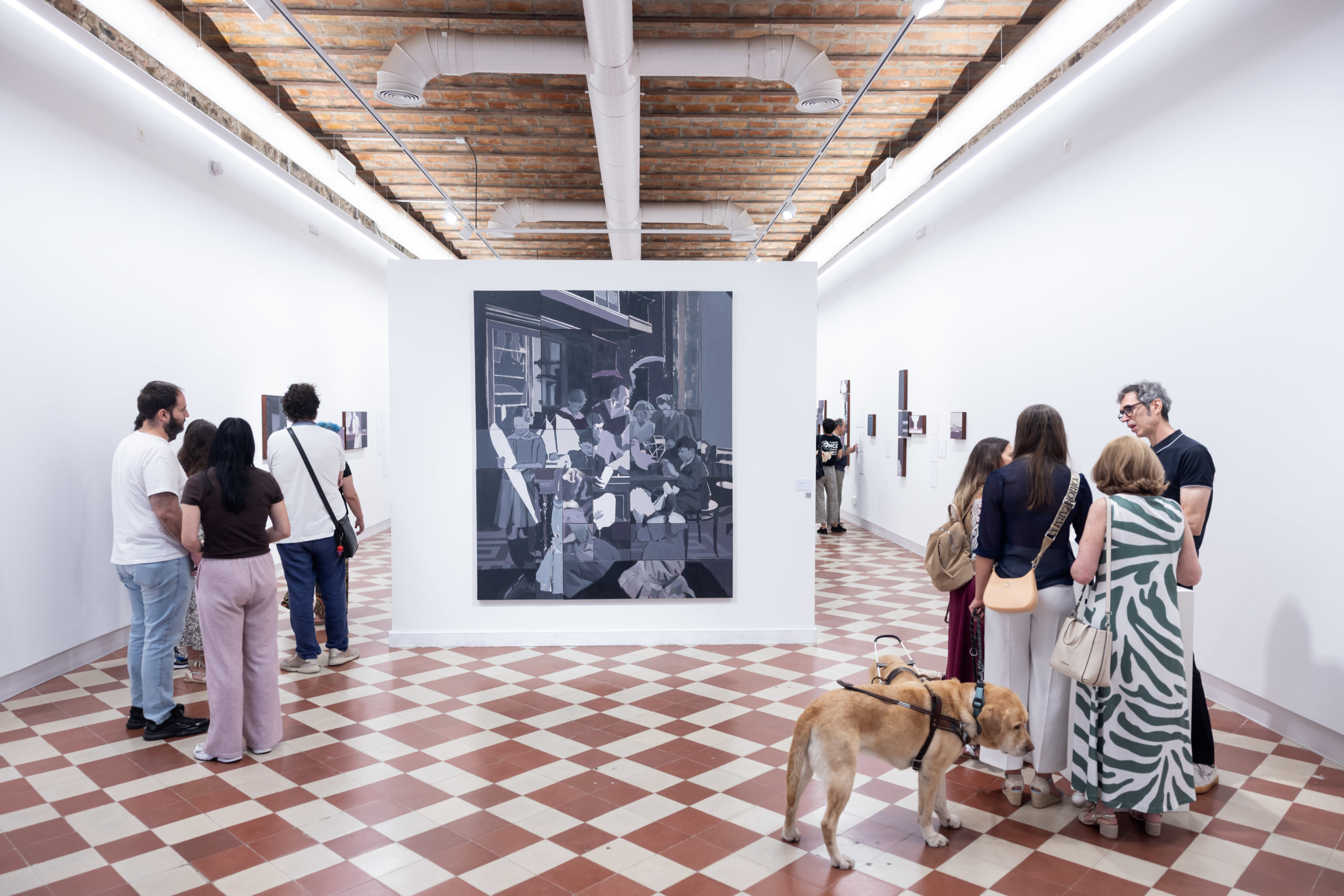
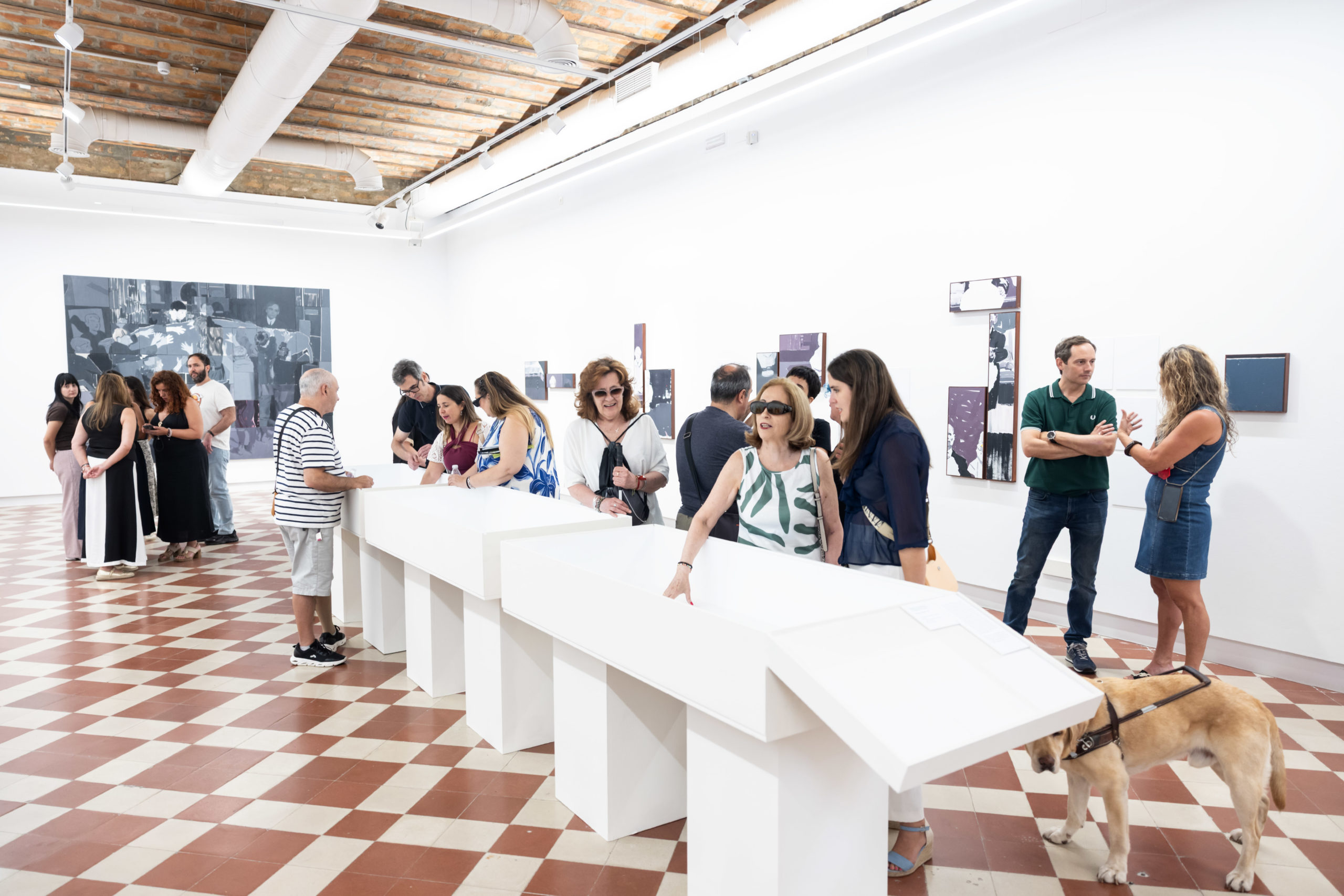
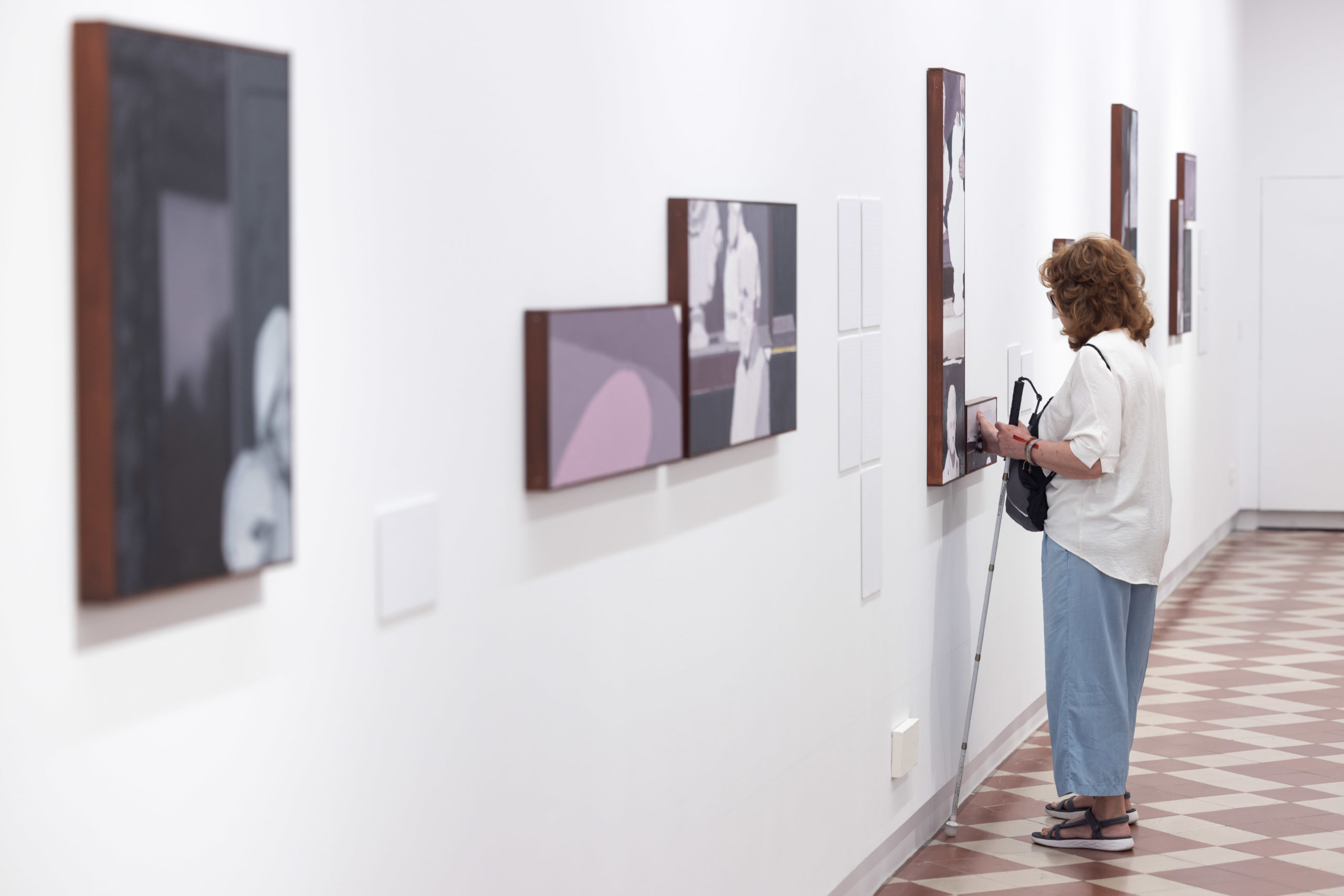
La Térmica opens Tangere, a painting exhibition by Nacho Martín Silva designed for blind and visually impaired visitors. This new in-house production, curated by Juan Francisco Rueda and developed in collaboration with the ONCE Delegation in Málaga, will be open to the public until September 20.
Tangere actively involves blind individuals as collaborators in the project, making inclusion an essential part of the artistic experience.
Tangere takes its title from a statement written by John Alfred Charlton Deas in What the Blind May ‘See’: Some Museum and Other Experiments in Tactile Sight. In this book, the museologist from Sunderland Museum in the United Kingdom recounts a series of pioneering inclusive sessions in which blind people of different ages and genders were invited to touch and experience objects from the museum’s collection. Describing these encounters, Deas concluded: “To them, their fingers are eyes.”
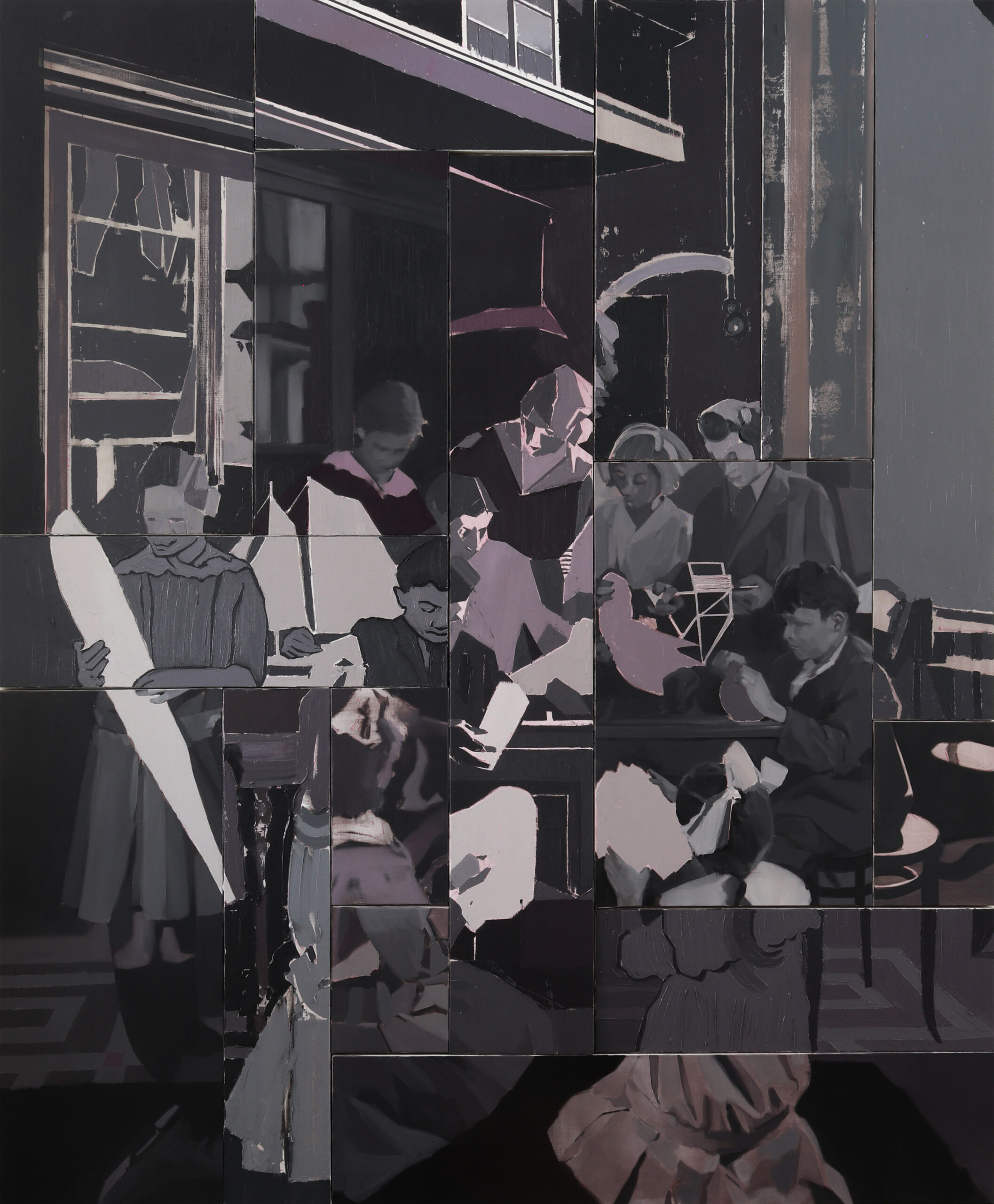
These 1913 sessions were documented through photography. When Nacho Martín Silva first encountered these images, he was deeply struck by them. The photographs resonated with many of the concerns that have long informed his artistic practice. An invitation from La Térmica—an institution for which inclusivity is a fundamental and non-negotiable principle—provided the catalyst for this project, while also establishing a collaboration with the Málaga branch of ONCE. The participation of blind individuals in My Hands Are My Eyes goes far beyond merely recreating, more than a century later, the pioneering experiment initiated by John Alfred Charlton Deas. Just as those early twentieth-century participants interpreted the museum through their hands—and will now appear on the canvases of the Madrid-based artist—today’s blind collaborators will interpret both the historical photographs and Martín Silva’s paintings. In doing so, they become active participants in a process of learning, interpretation, and critical inquiry.
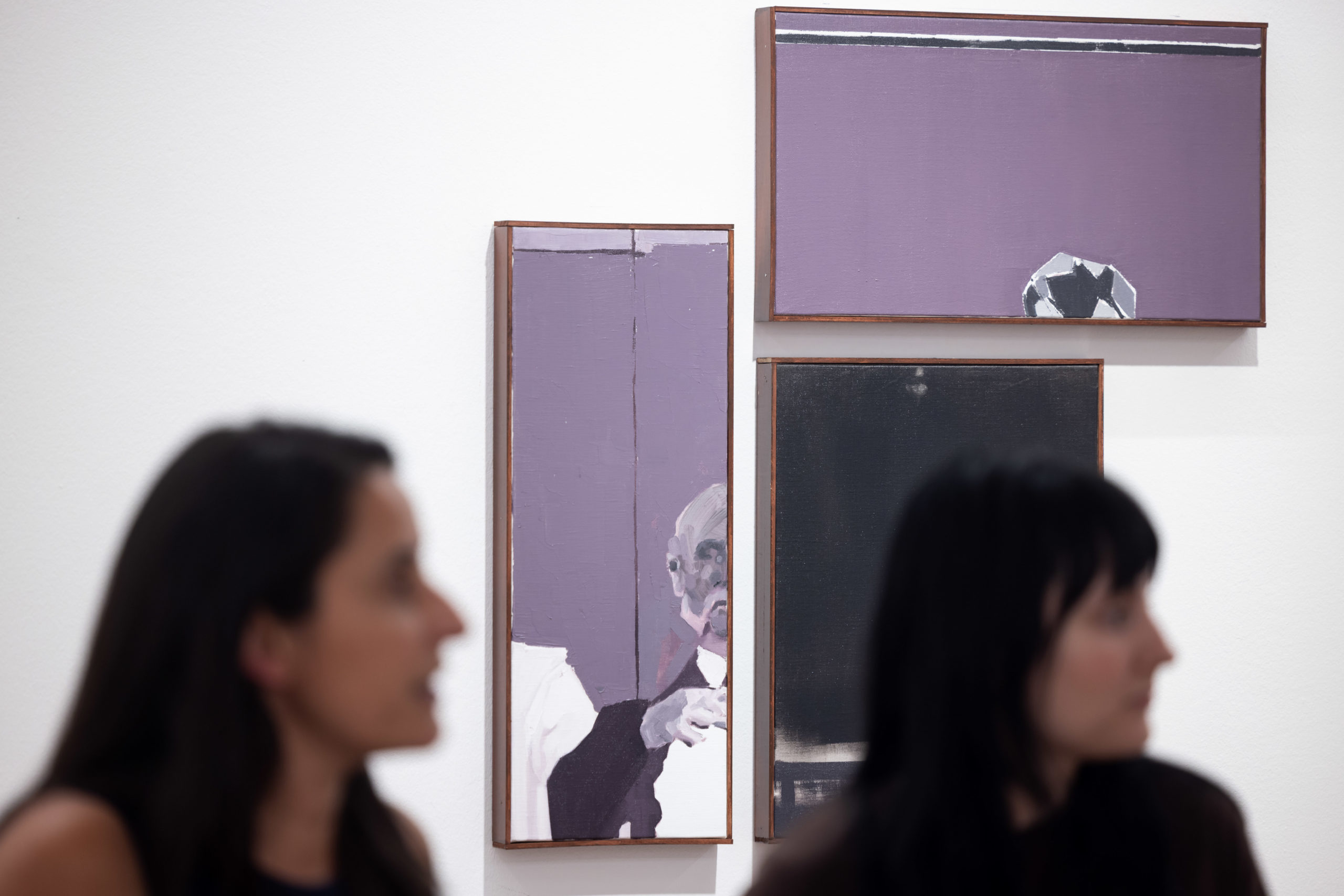
Tangere allows Martín Silva to continue exploring how the knowledge we acquire of an object—or any aspect of reality—is shaped by those who translate, interpret, mediate, or assign meaning to it. An artist, after all, is a translator, an interpreter, a mediator, and a giver of meaning. The photographs of Sunderland Museum’s blind visitors handling objects of various kinds will be transformed into monumental Fragmented works, the format for which Martín Silva is best known. These Fragmented compositions are large-scale paintings in which an image is divided into dozens of units—typically around thirty—arranged like a mosaic. Each section adopts a different pictorial language and varying degrees of iconicity, creating a translation that accumulates multiple visual voices and moves fluidly between recognisable imagery, abstraction, and suggestion.
A verbal description of the original photographs—an ekphrasis—will serve as the basis for blind participants to create their own visual interpretations, using Martín Silva’s tactile paintings of the same source material as a guide. The result is a genuine hall of mirrors, a complex interplay of translations and reinterpretations.
This is Nacho Martín Silva’s most conceptual project to date: a true mise en abyme, made possible through the collaboration of blind participants who themselves translate these images. The project functions as an allegory of representation—of representation as interpretation—and, at the same time, as a force that conditions future readings within an infinite chain of meanings and an open-ended process of reinterpretation.