Aitor Ortiz
Aitor Ortiz presents ‘Gaudí ar the Palma Cathedral’ at Es Baluard Museu – Espai Biennal B
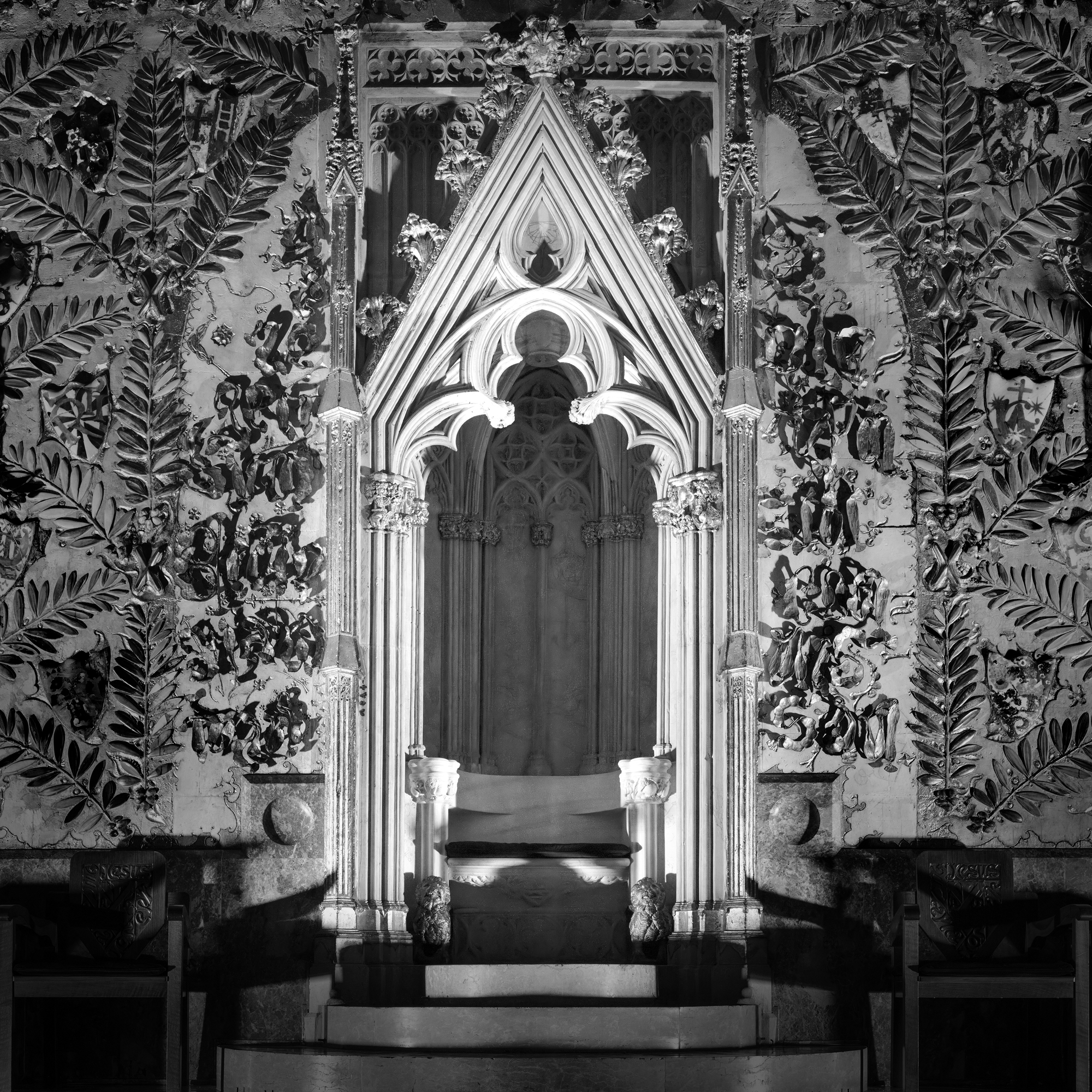
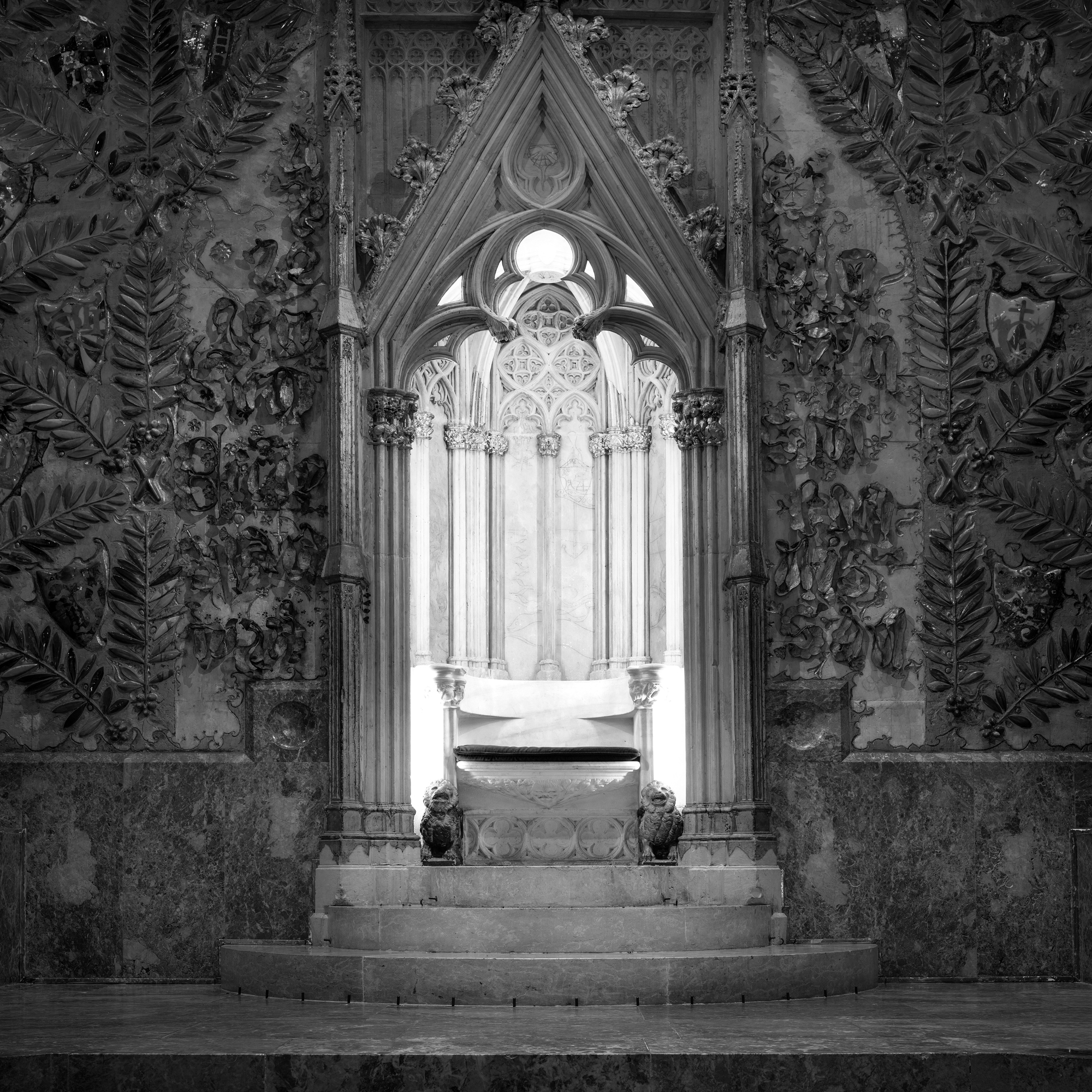
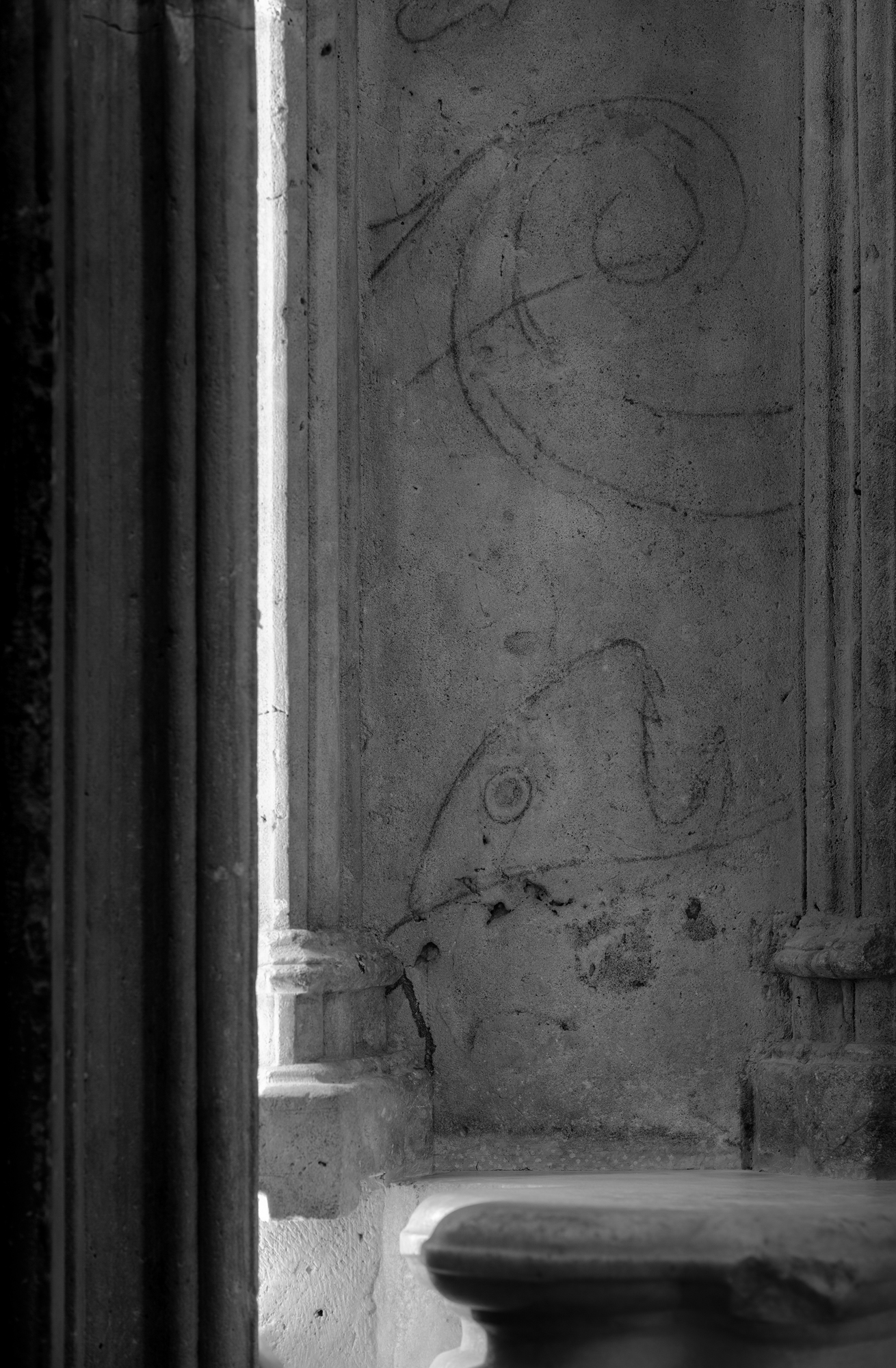
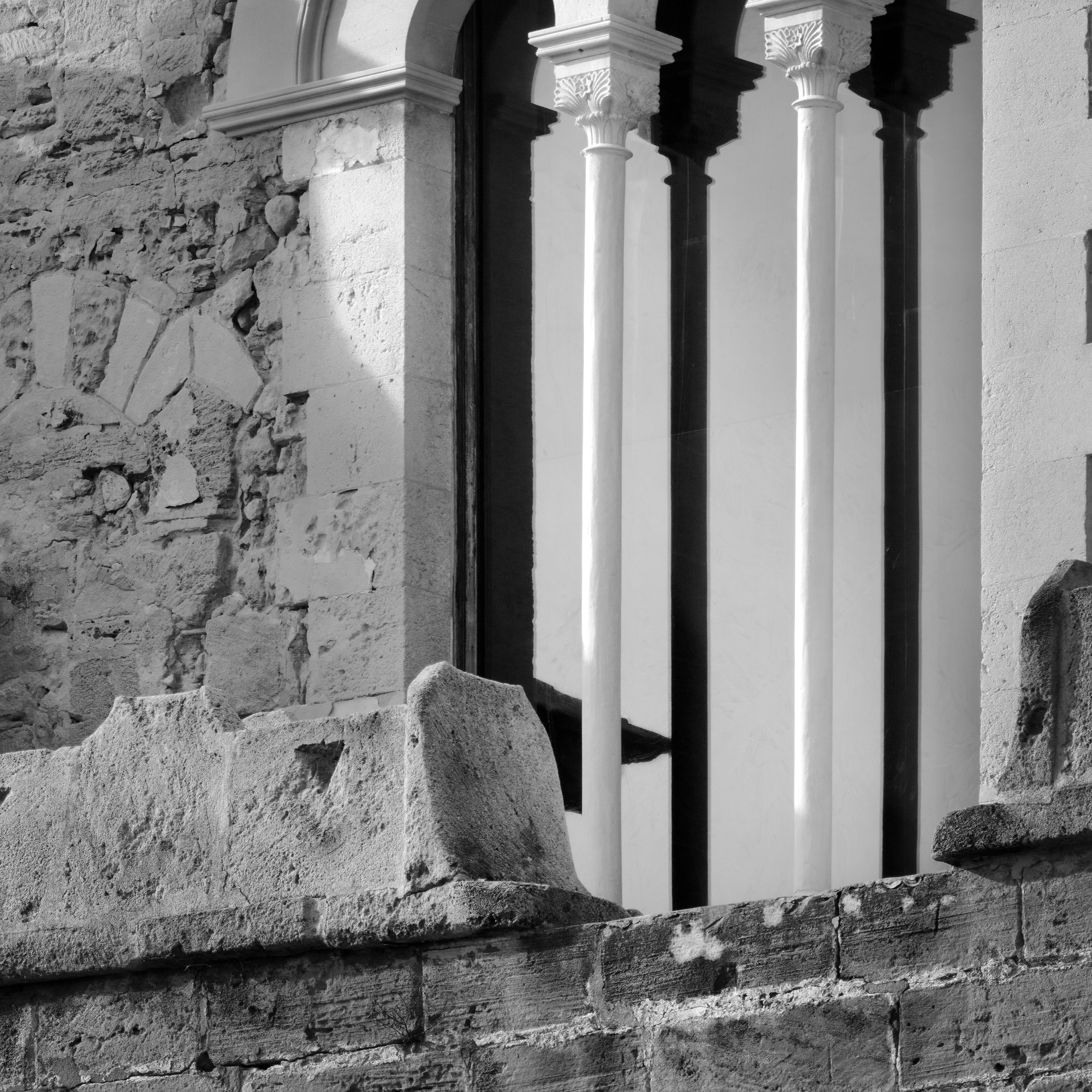
El artista Aitor Ortiz inaugura el martes 17 de noviembre la exposición Gaudí en la Catedral de Palma. La jornada comenzará a las 18:00 h con una visita a su instalación en Can Balaguer y continuará a las 19:30 h con la inauguración oficial de la muestra en Es Baluard Museu.
Photographing architecture, especially that of Antoni Gaudí, poses a particular challenge and raises an unavoidable question: what can a new gaze bring to works that have been photographed so extensively?
For decades, Antoni Gaudí’s architecture has been among the most photographed in the world, and the literature on it is vast. Images taken by photographers, professional and amateur alike, awaken in those who see them the desire to experience his buildings firsthand. Every year they draw millions of people from the farthest corners of the planet to the places where these works stand, which in turn generates new photographs.
The logical consequence of such an avalanche of photographic images is that it becomes difficult, if not impossible, to take any that someone has not already made and circulated. As a result, in terms of actual knowledge, the representation of his work comes to take precedence over the architecture itself.
Many buildings we consider iconic and recognisable have in fact been visited by only a very small percentage of the people able to identify them. Photography, moreover, played a decisive role in spreading architectural styles once it became a regular feature of professional journals.
If the architectural experience takes place in and around specific buildings, by sensing and inhabiting them, however briefly, what architectural photography offers is a visual, aesthetic experience, along with certain information about the building photographed.
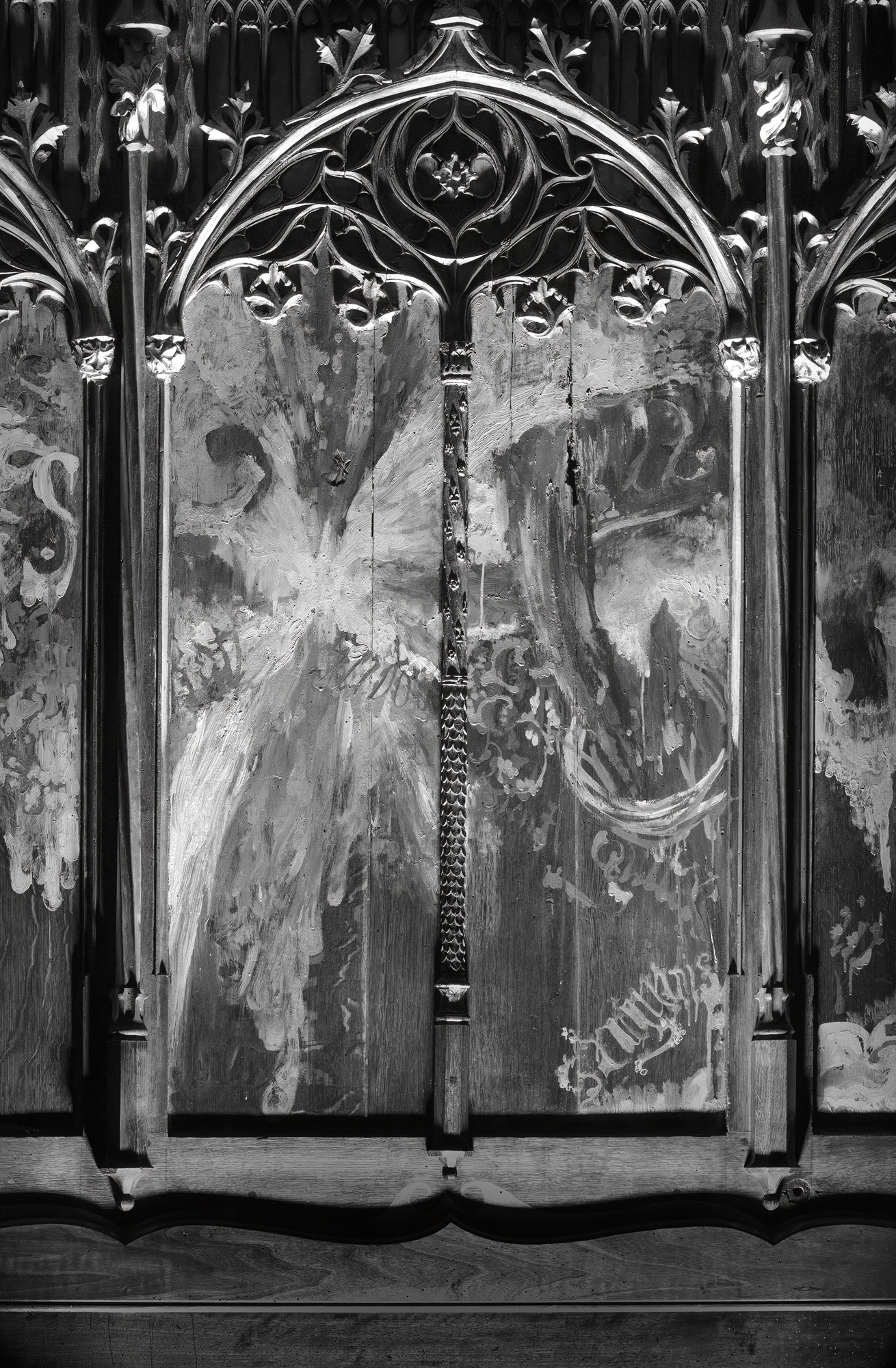
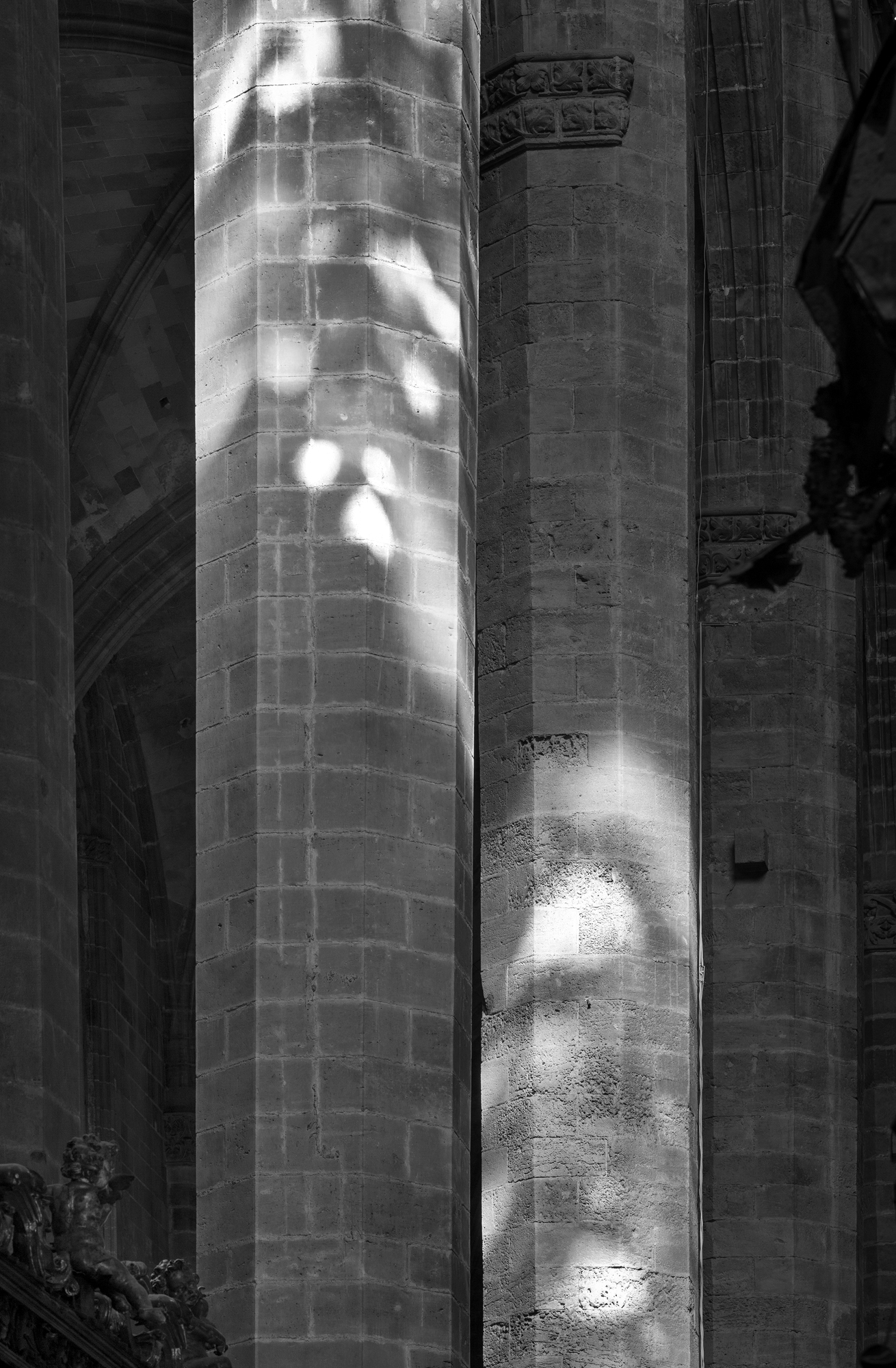
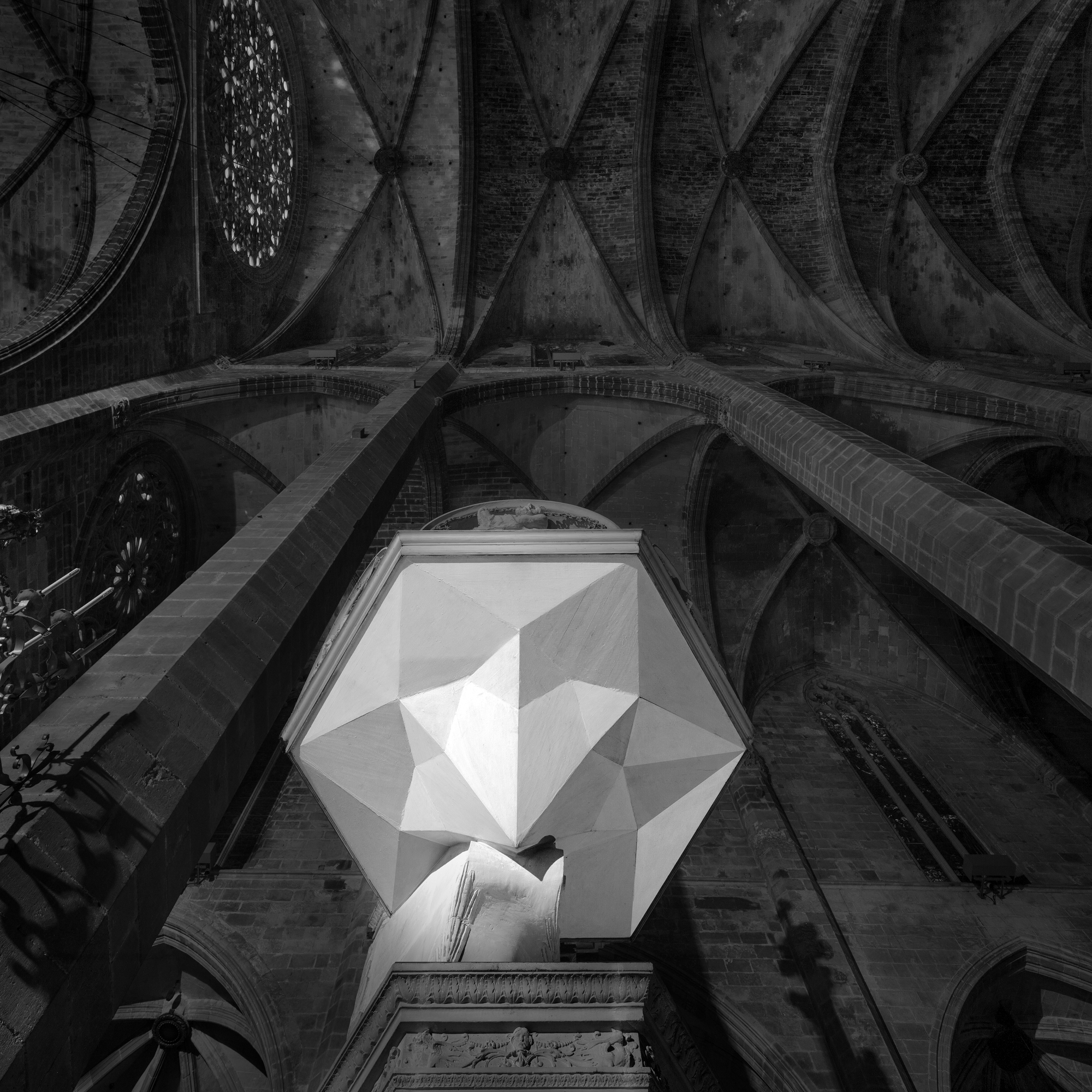
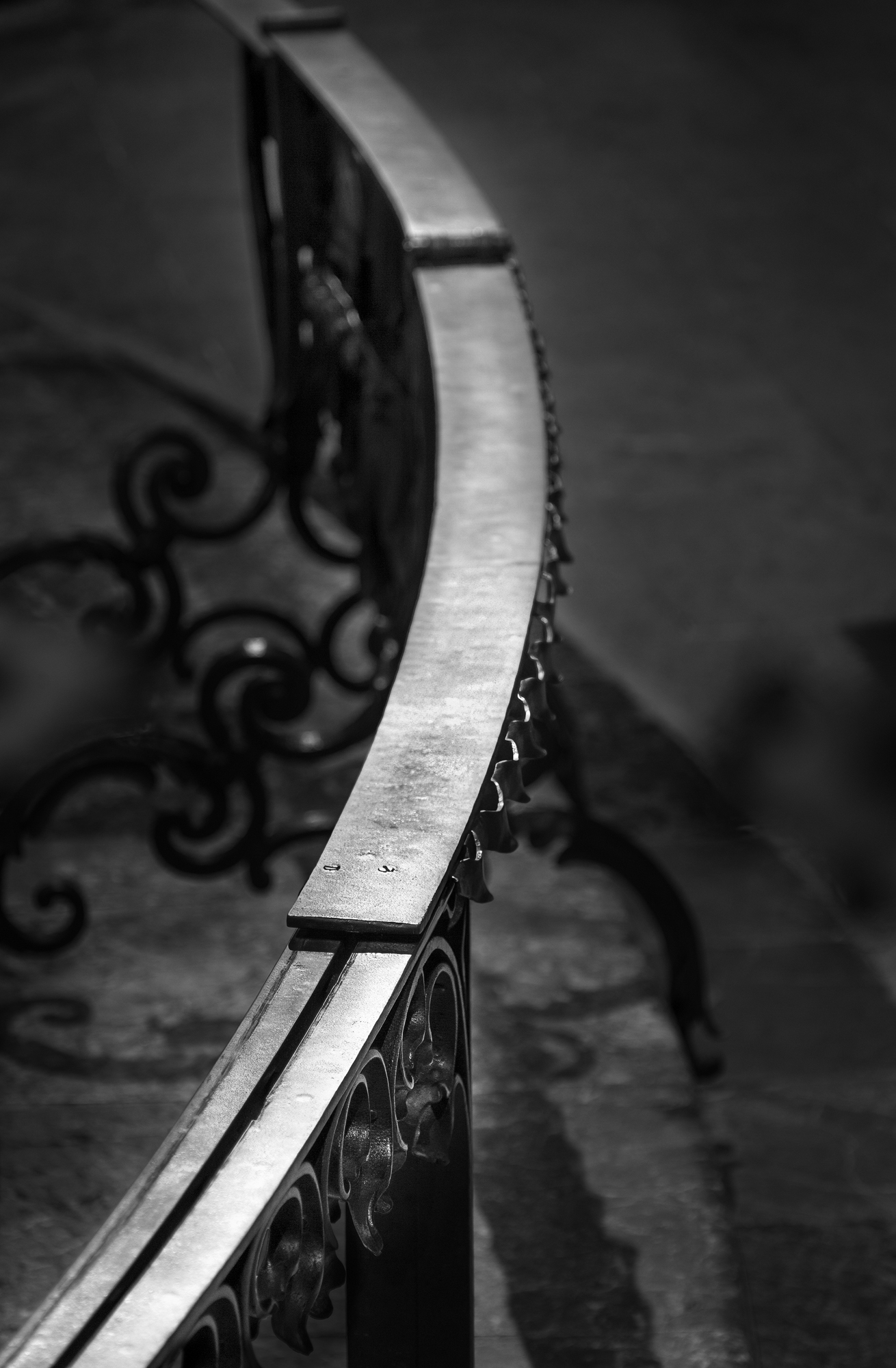
Aitor Ortiz took on the challenge of photographing the Catalan genius’s architecture in order to tell something that had not been seen in quite the same way before. His aim was not to seek out elements that had never been photographed (perhaps an impossible task), but to look at them with the appropriate austerity and distance. At the same time, he subtly reveals the Gaudí who moved between the craft tradition of the past and the technological modernity of his own time, emphasising the importance of his workshop-laboratory, the seedbed of his entire creative process. By stripping away the rhetoric of colour and delving into detail, Ortiz not only uncovers a Gaudí who is surprisingly contemporary, and modern for his era, but also stays true to the visual language that has made his own photography recognisable. Gaudí’s power and Ortiz’s gaze enter into a dialogue in which each keeps its qualities intact and also heightens them.
The exhibition consists of 18 works of small dimensions and classical format, produced with highly contemporary printing and mounting techniques. It stands out for its quiet presence, turning an enveloping visual silence into the protagonist. As in the music of Frederic Mompou, it unfolds between two intimate sonorities, or rather between two silent images.
Aitor Ortiz (Bilbao, 1971). Since 1995 he has worked in architectural photography, going beyond the document itself. Drawing on the capacity of photographic representation to dissolve and transmute reality, Ortiz uses space, architecture and objects as starting points that pose a series of visual and cognitive puzzles. His work has been shown in solo exhibitions at the Museo Universidad de Navarra (Pamplona, 2018), Le Centquatre (Paris, 2015), Canal de Isabel II (Madrid, 2013) and Fotografiska: The Contemporary Museum of Photography, Art & Culture (Stockholm, 2011), among others. His works are held in the collections of the Museo Nacional Centro de Arte Reina Sofía, the Colección Masaveu, Es Baluard Museu, the Museo de Bellas Artes de Bilbao, the Museo Guggenheim Bilbao and the “la Caixa” Foundation Contemporary Art Collection.