Glenda León
Glenda León at International Biennial of Art and City of Bogotá
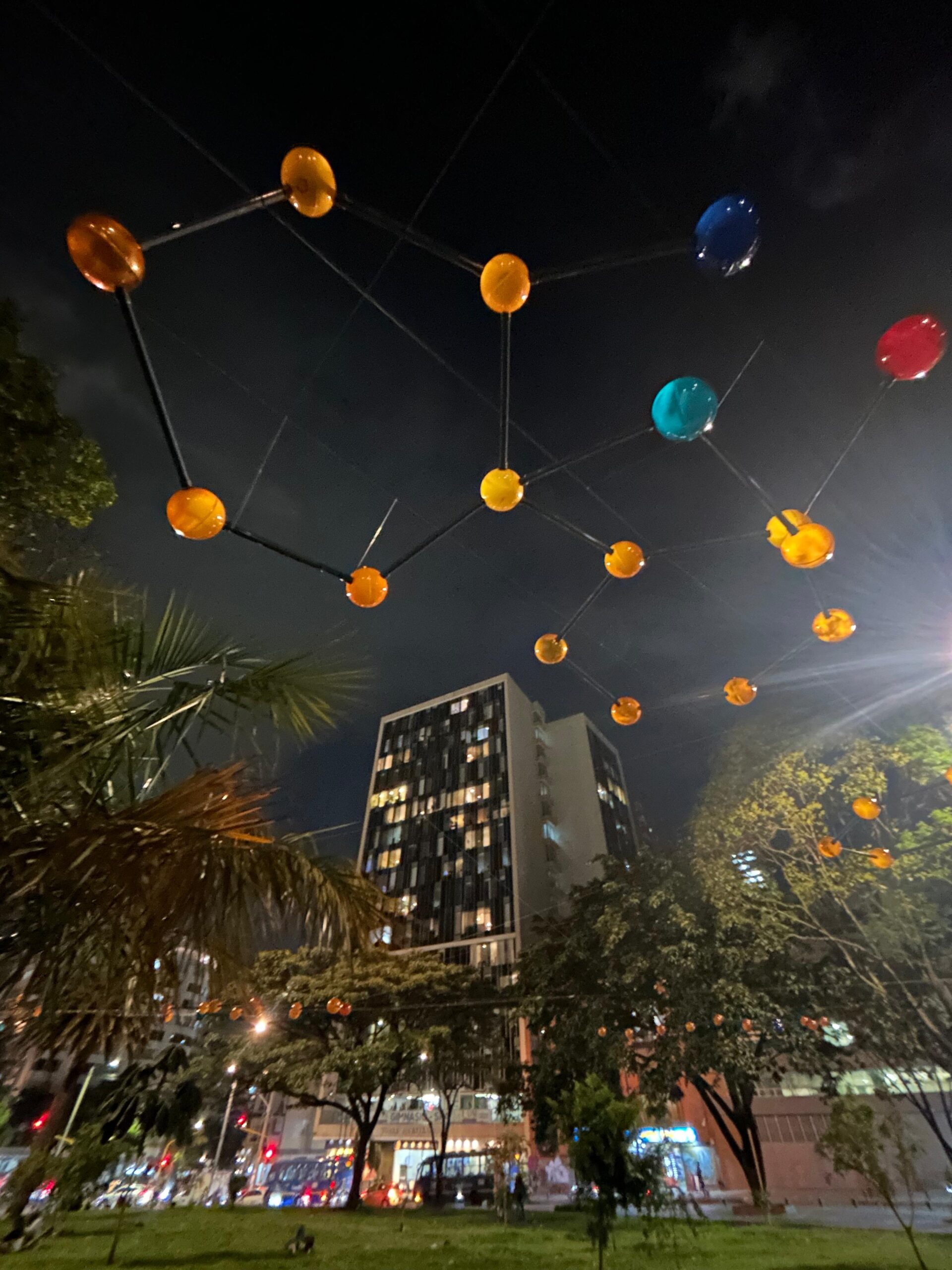
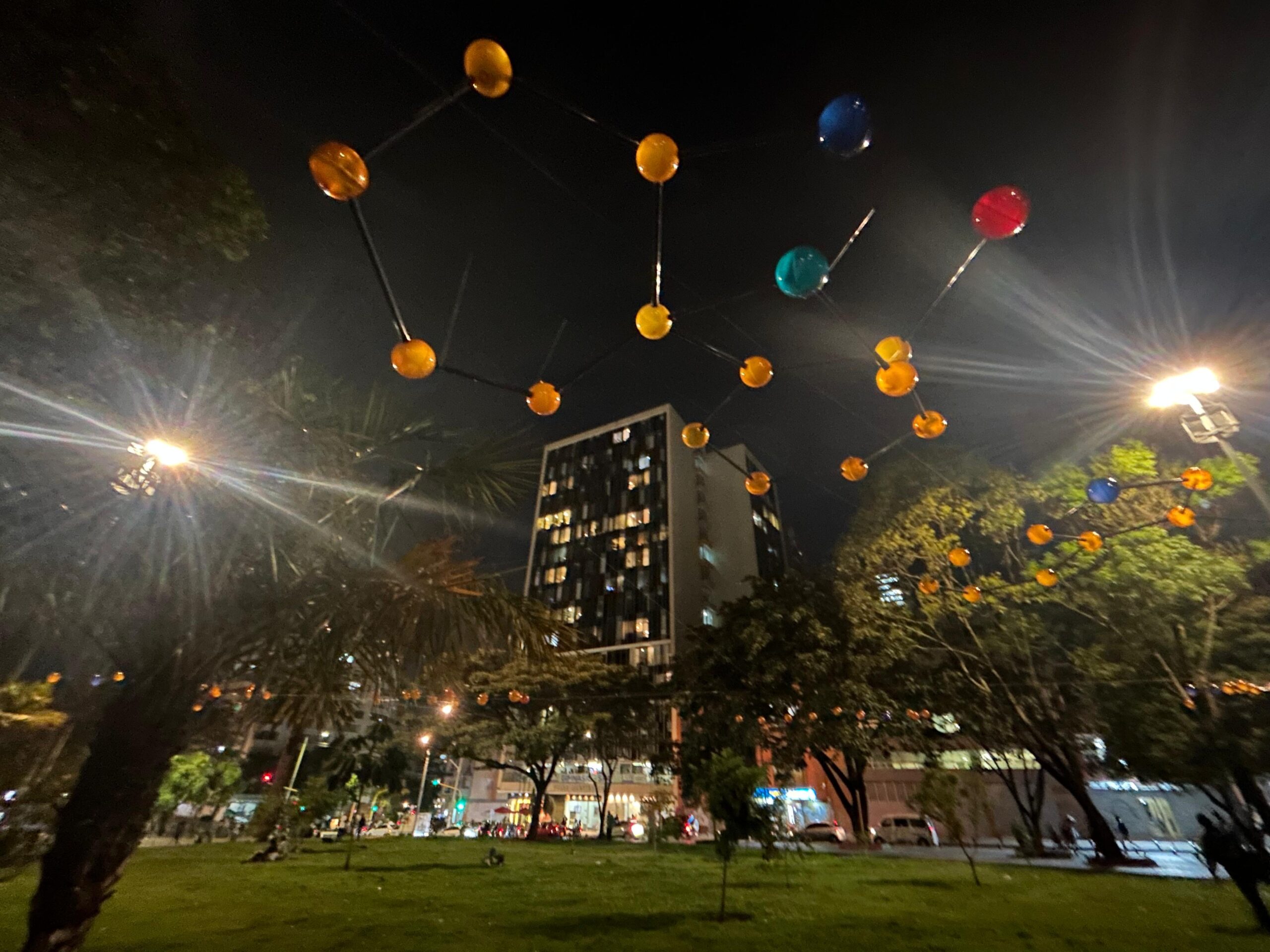
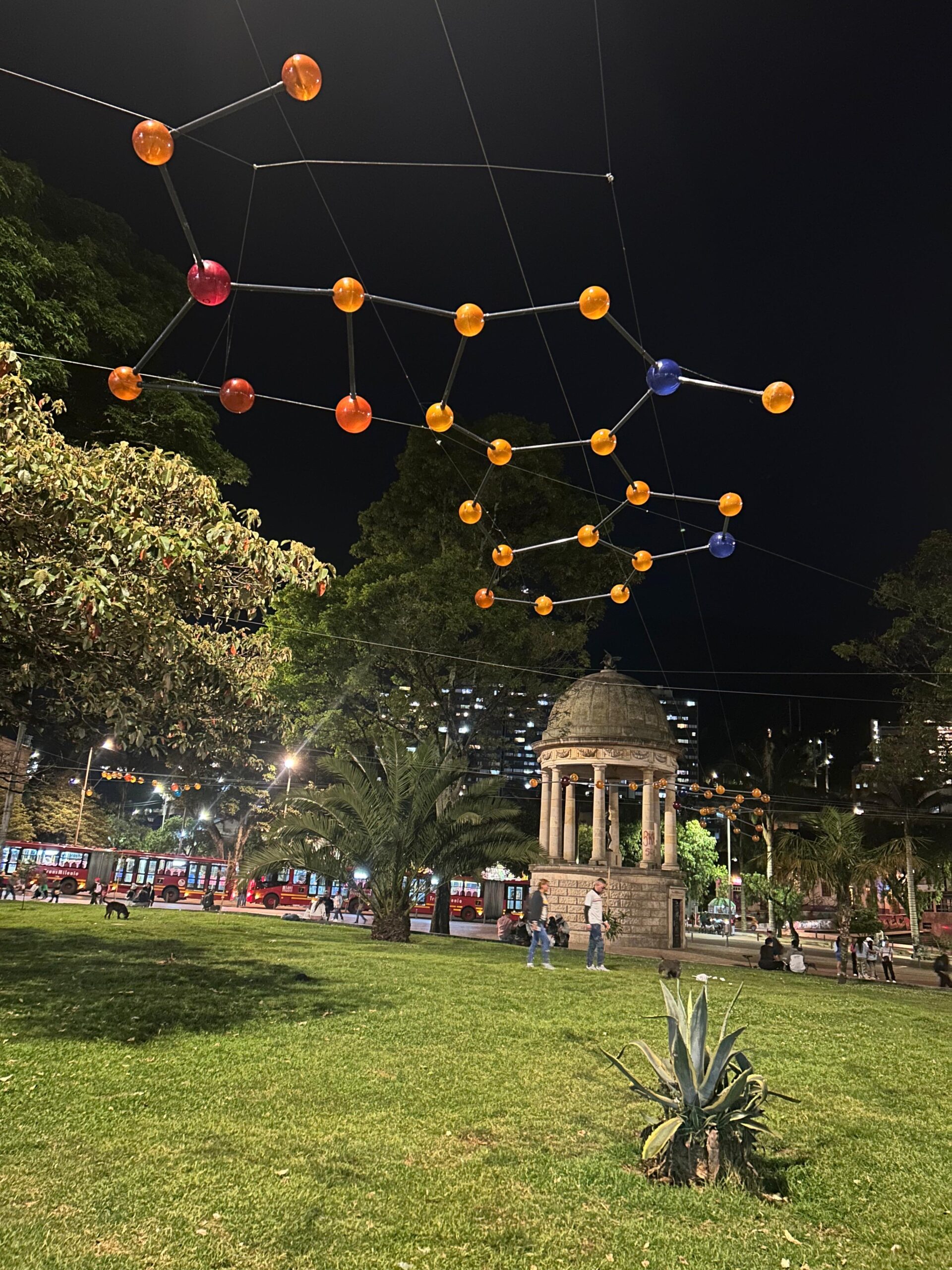
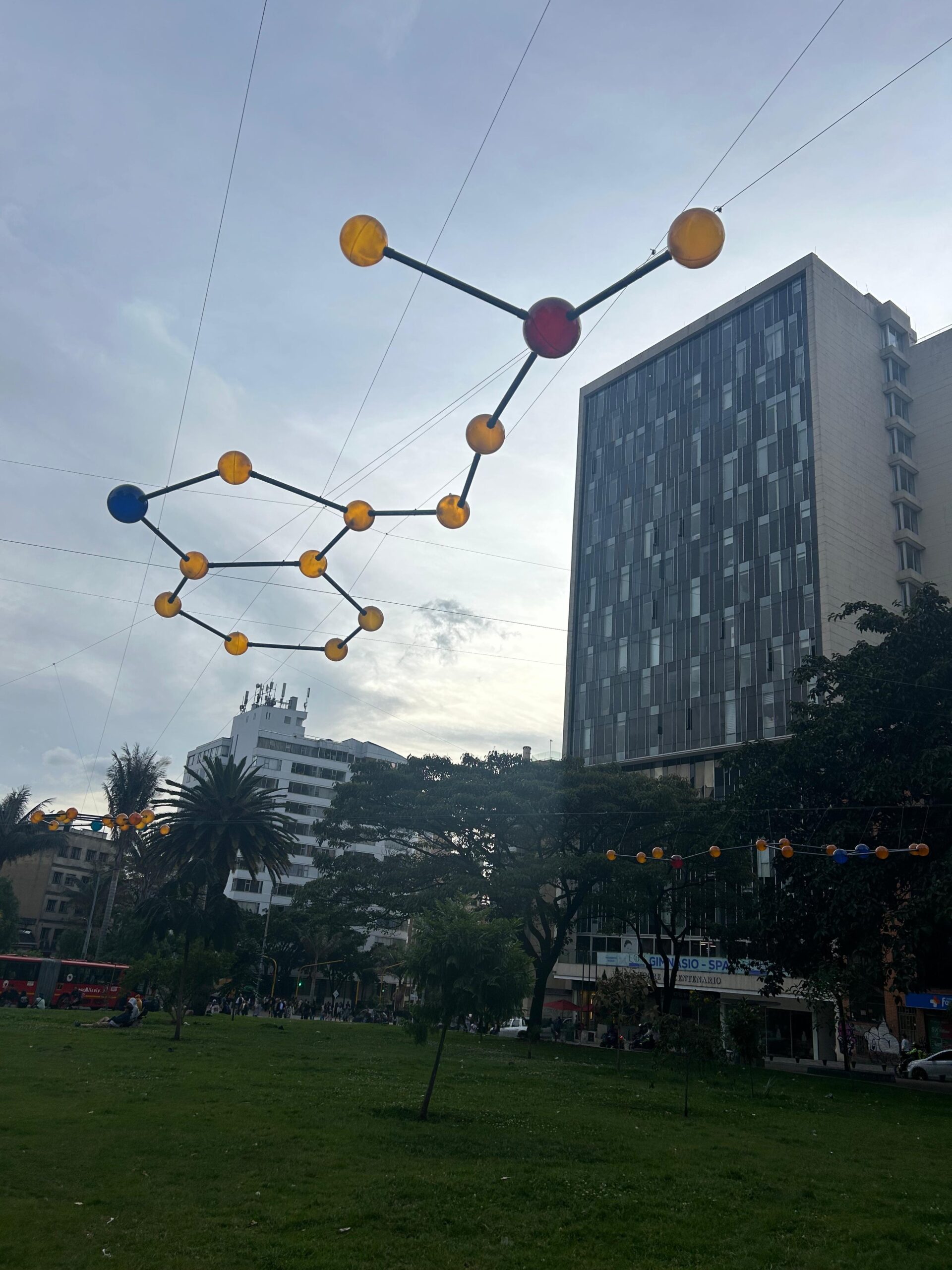
Glenda León participates in the Bogotá Biennial with two installations at the National Library of Colombia and in the Parque de los Periodistas with the work ‘Cielo prohibido’ (Forbidden Sky).
Between September 20 and November 9, 2025, the BOG 25 International Art and City Biennial will take place, an event in which more than 250 local, national, and international artists will reflect on happiness as the main curatorial theme through their work.
The Environmental Axis, in the center of Bogotá, will host the main tour of the Biennial, whose main venue will be the Palacio de San Francisco, and which will also have 16 satellite venues, including the National Library of Colombia (BNC).
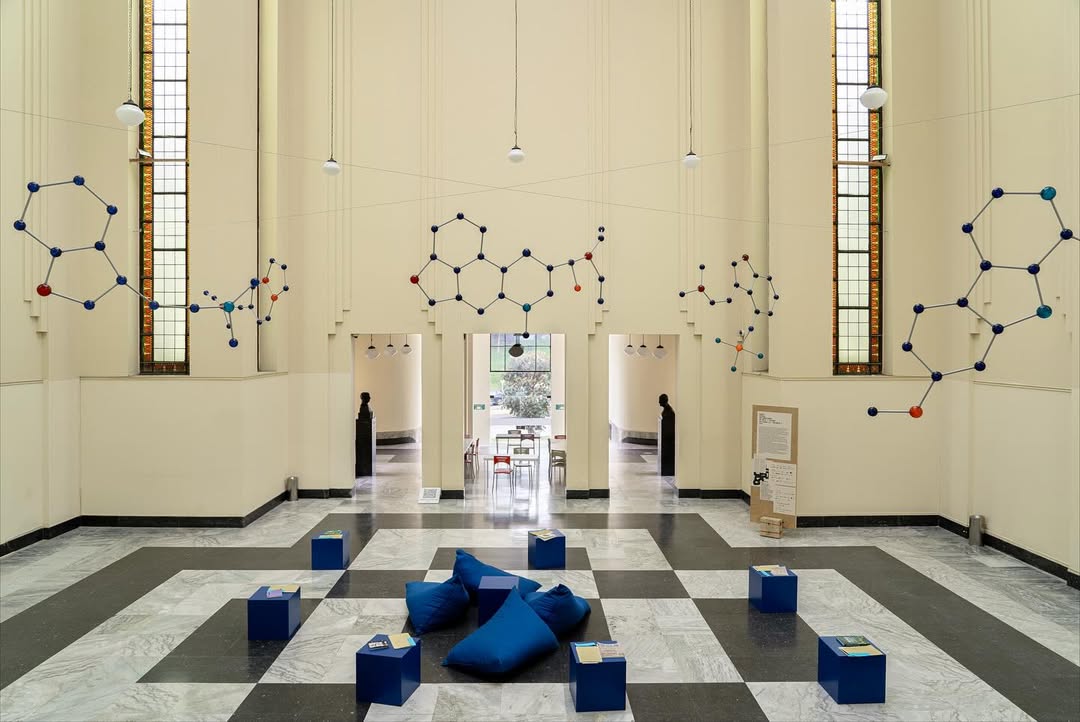
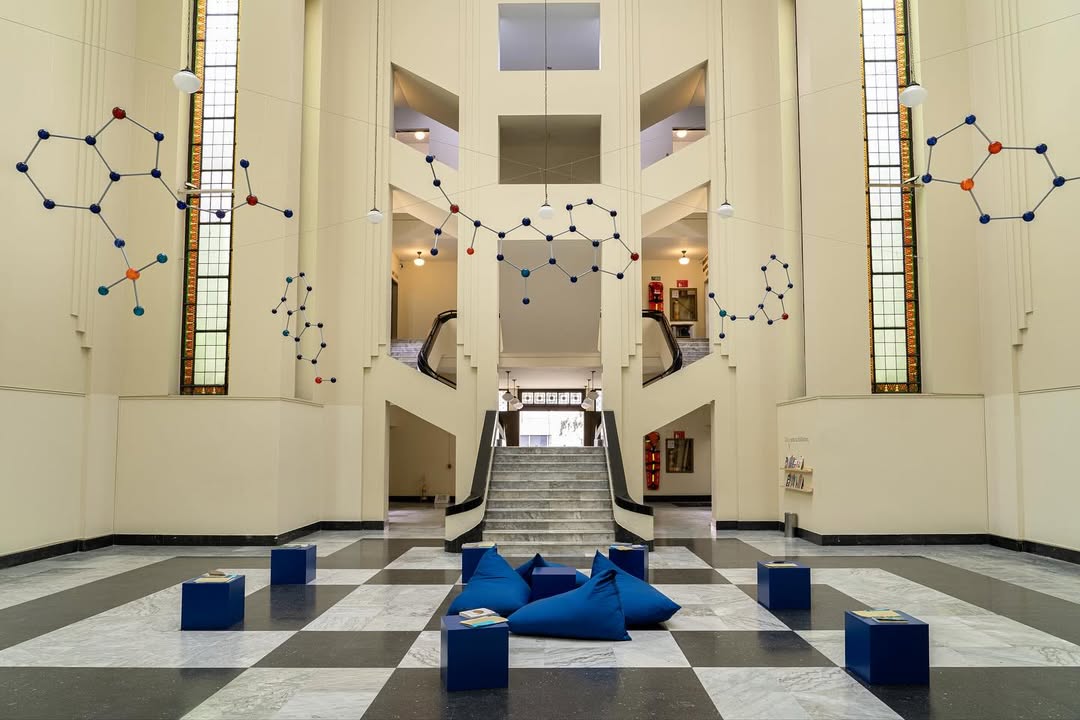
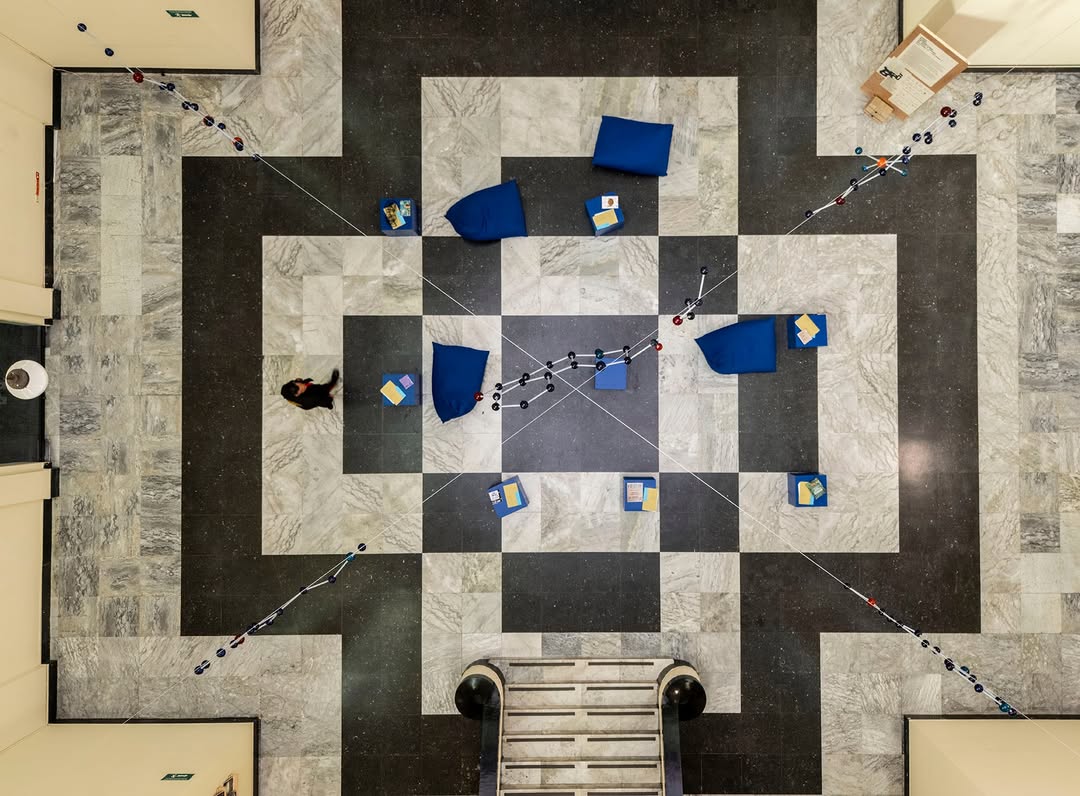
The installation Cielo Prohibido (Forbidden Sky) by Cuban artist Glenda León, for example, will be on display in the Parque de los Periodistas and the BNC, in a dialogue between public space and bibliographic and documentary heritage.
Forbidden Sky
In León’s artistic practice, spiritual explorations and the possibilities of human sensitivity place the senses and emotions at the center of reflection.
With Forbidden Sky, he addresses the ritual and therapeutic use of sacred plants and fungi to access prophetic and ecstatic states, and symbolically questions certain established orders that are contradictory in society: “While more than three million people die annually from the abuse of a legalized drug such as alcohol, other substances—especially those of natural origin that could be essential for mental health management—remain illegal,” the artist points out in the curatorial text.
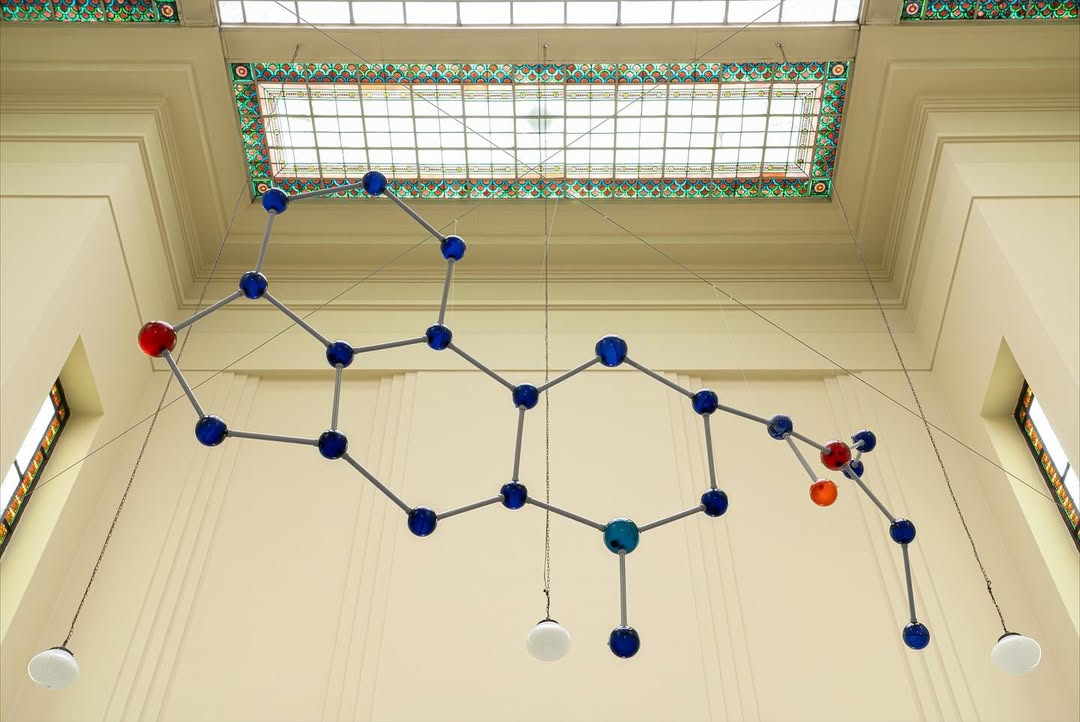
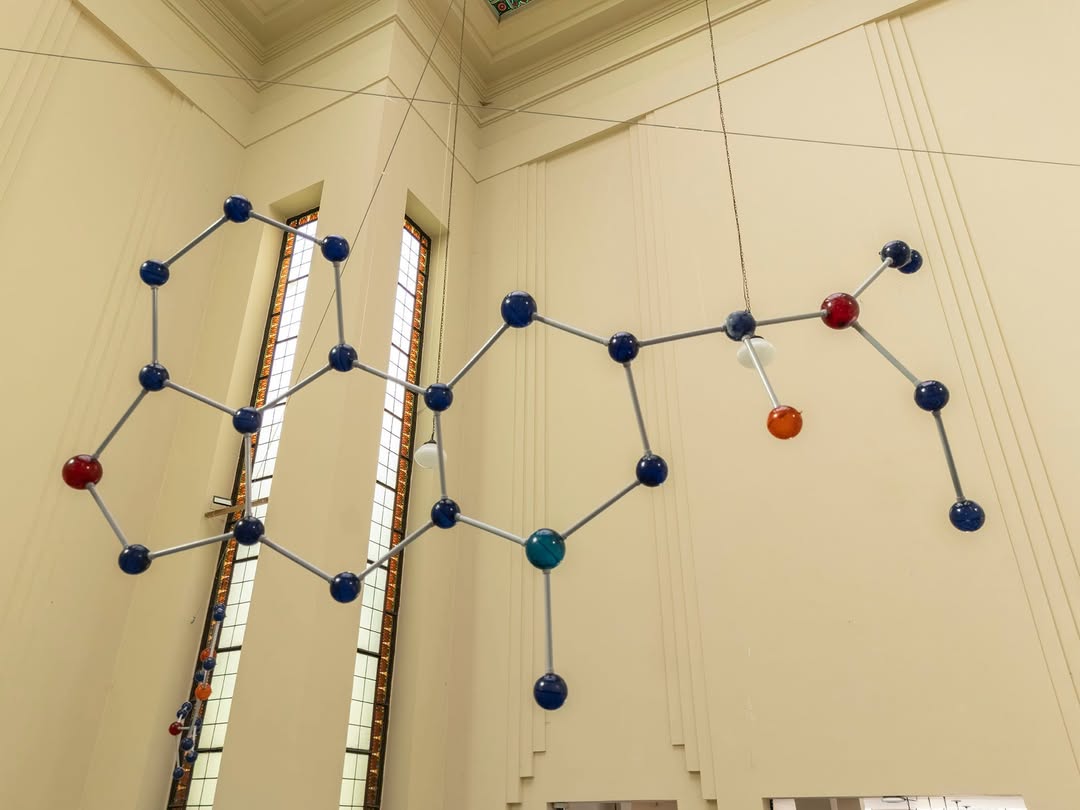
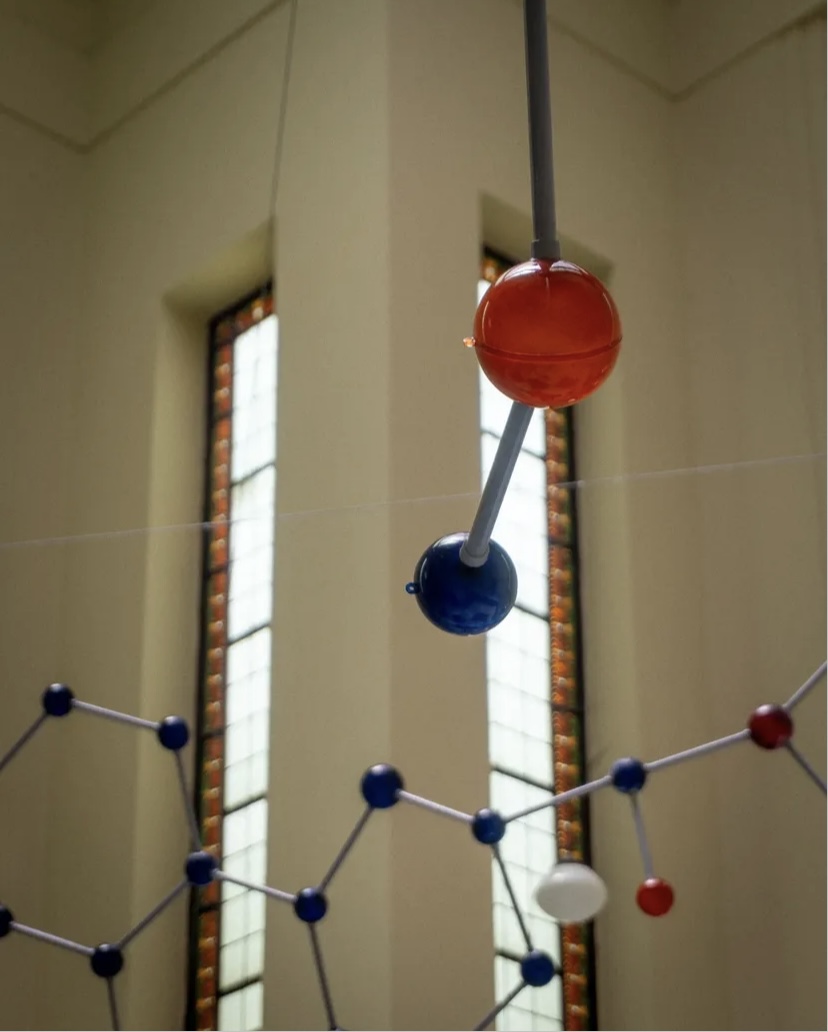
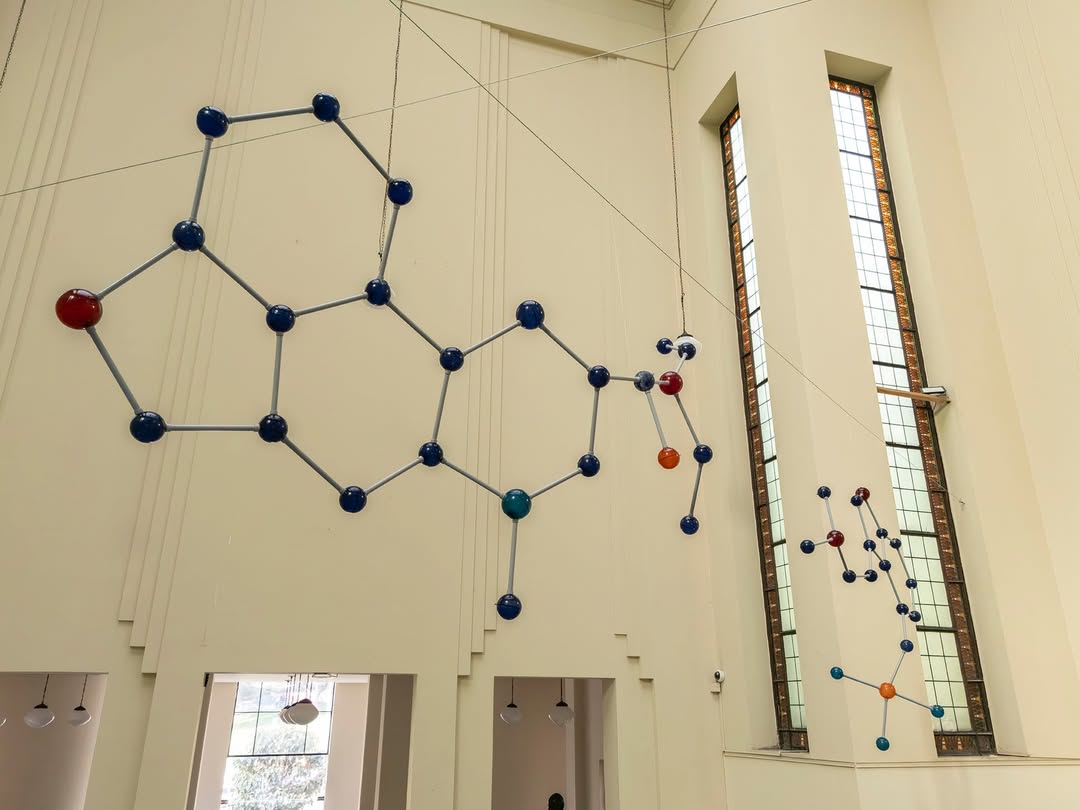
In Cielo Prohibido, León draws on research into the molecular structures of consciousness-altering substances, which she has transformed into a kind of star map. “Using these platforms to present a broad and unbiased view of these substances, as well as to offer a different perspective from the art world, seems to me to be extremely important for bringing about change in society and for reviving some of the principles of those ceremonial uses,” she says.
Celestial chemistry
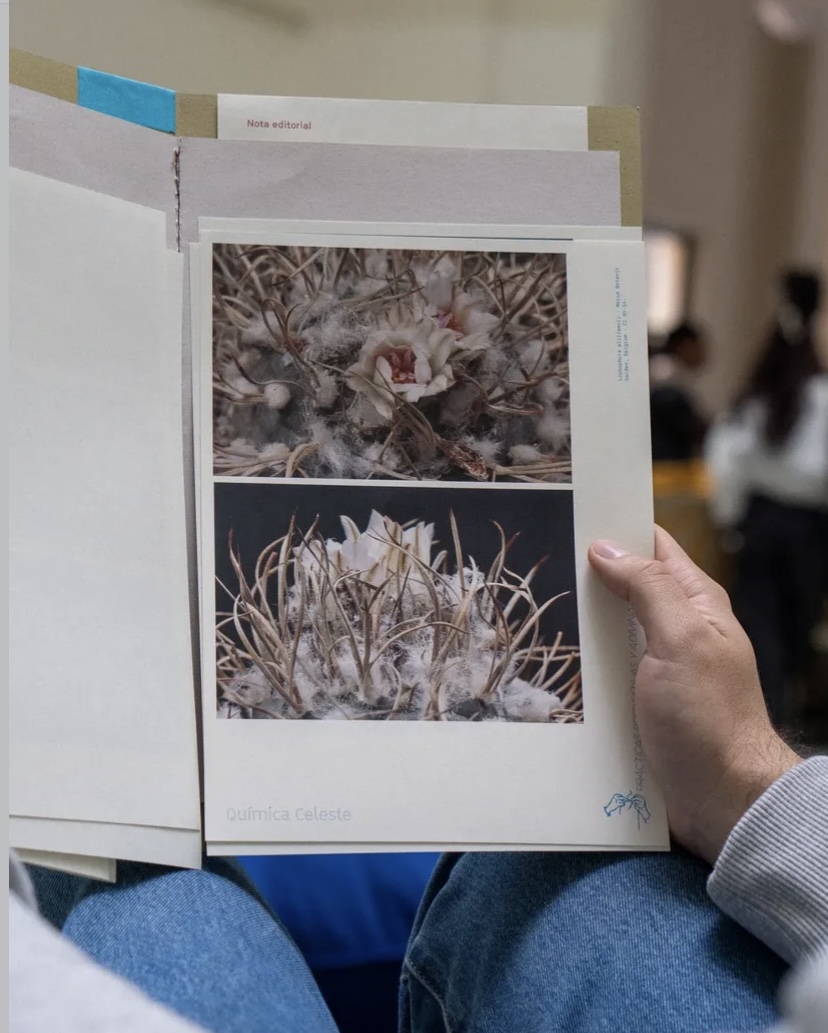
As a project in dialogue with the installation Cielo Prohibido, researchers Lady González and Verónica Matallana explored the archives and collections of the National Library to make an editorial selection that reveals how science, anthropology, literature, and other disciplines can broaden our view of certain plants and natural substances.
They called this constellation of fragments Química Celeste (Celestial Chemistry): excerpts from texts, images, and illustrations, and a bibliography in progress, which invites us to rethink how their properties and uses, so often condemned, have also had other cultural, political, and economic meanings throughout time.
In short, it is a bibliography that offers a path for other researchers, writers, and artists to continue or delve deeper into this topic. During the Biennial, this editorial selection will be on display in the central lobby of the library alongside the installation Cielo Prohibido (Forbidden Sky).