Basel, Switzerland
ART BASEL 2026
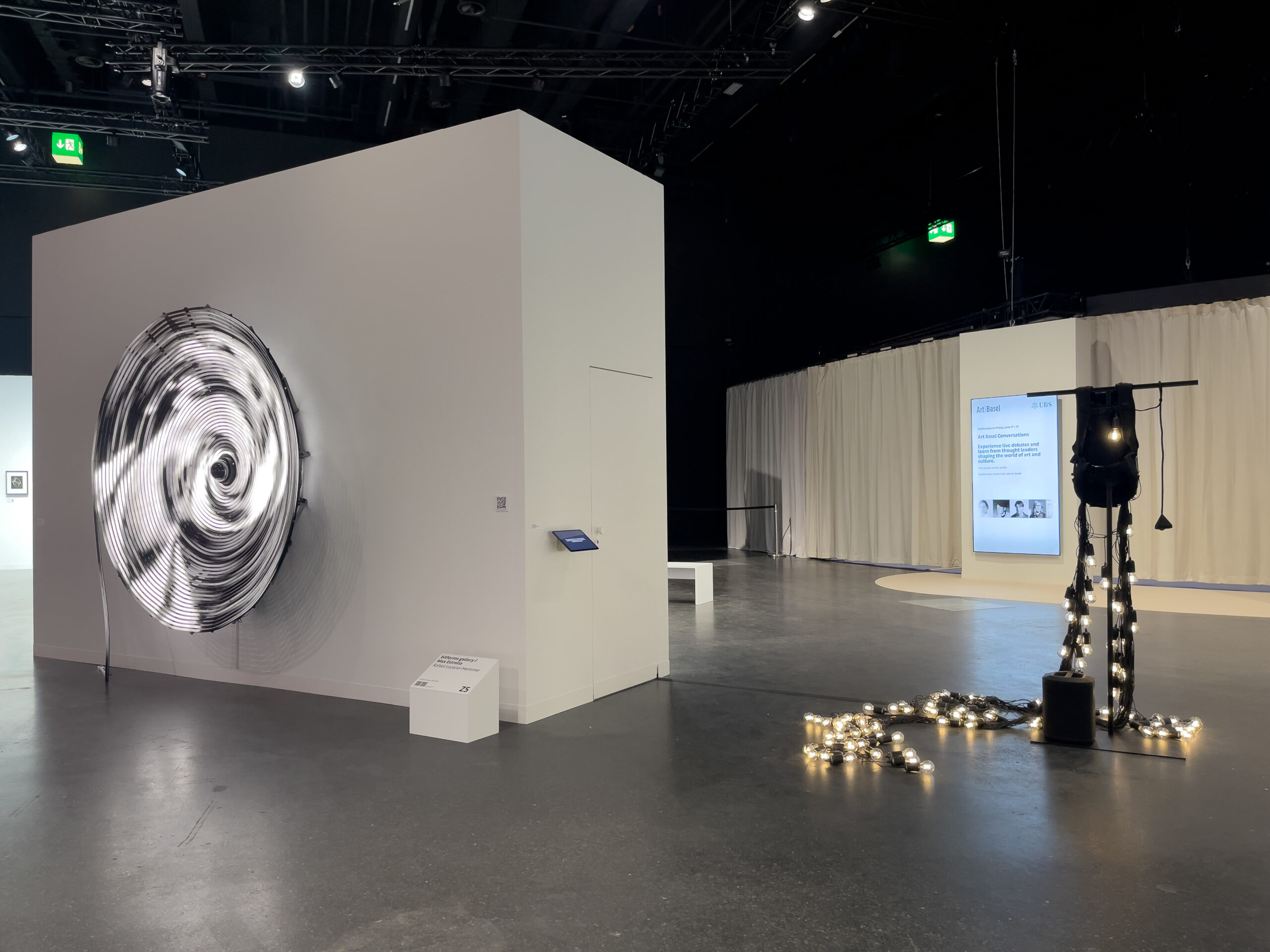
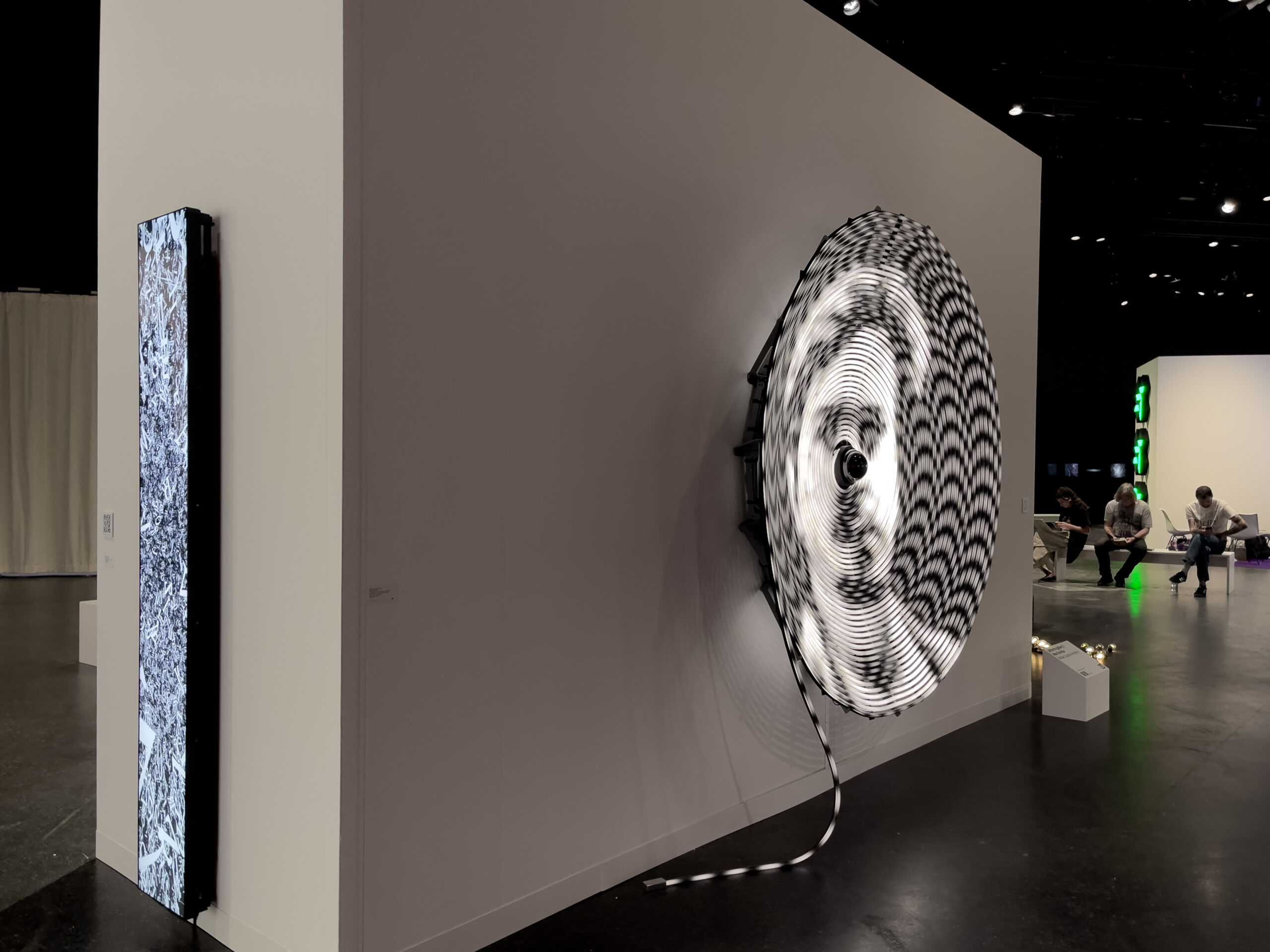
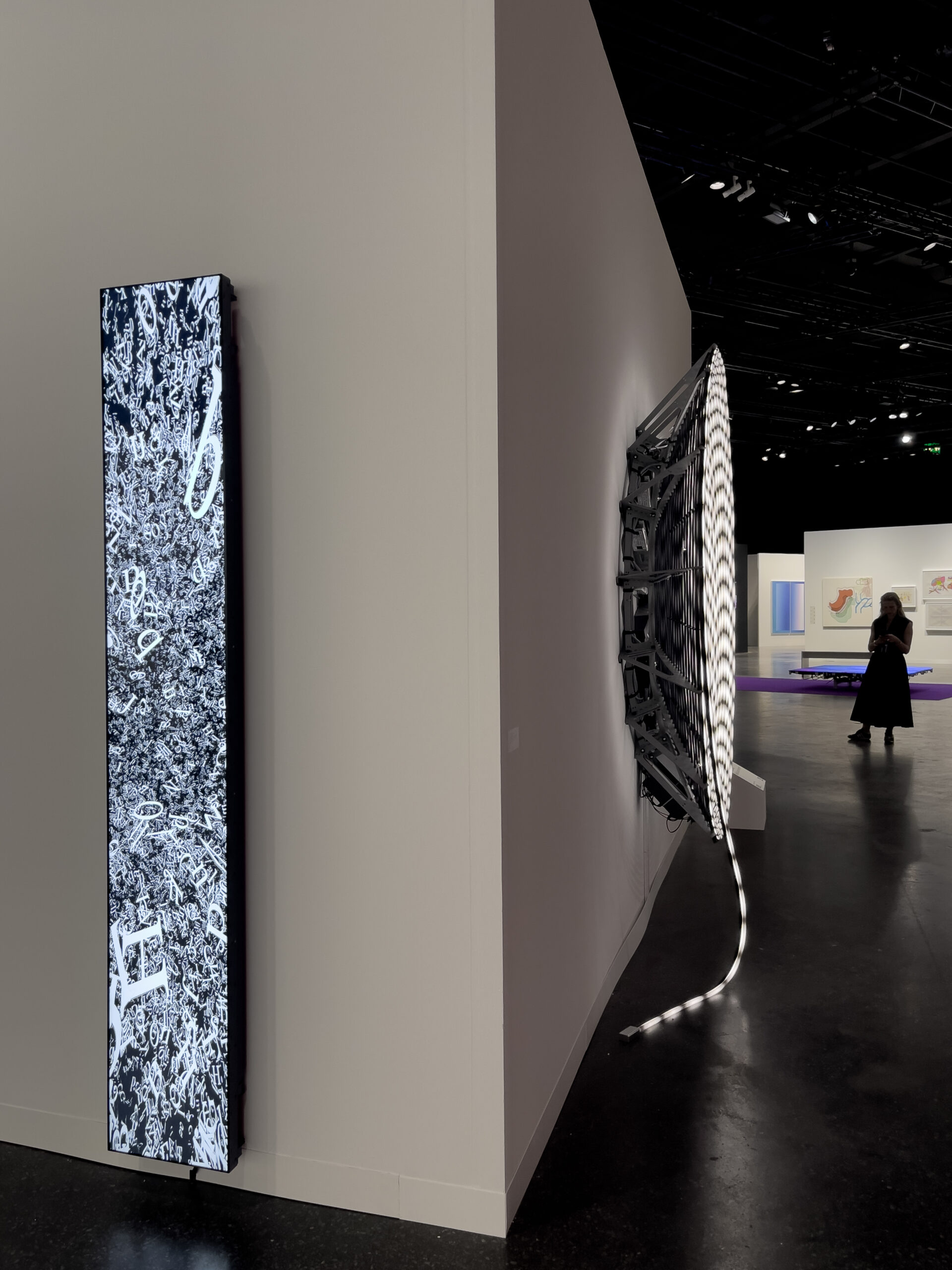
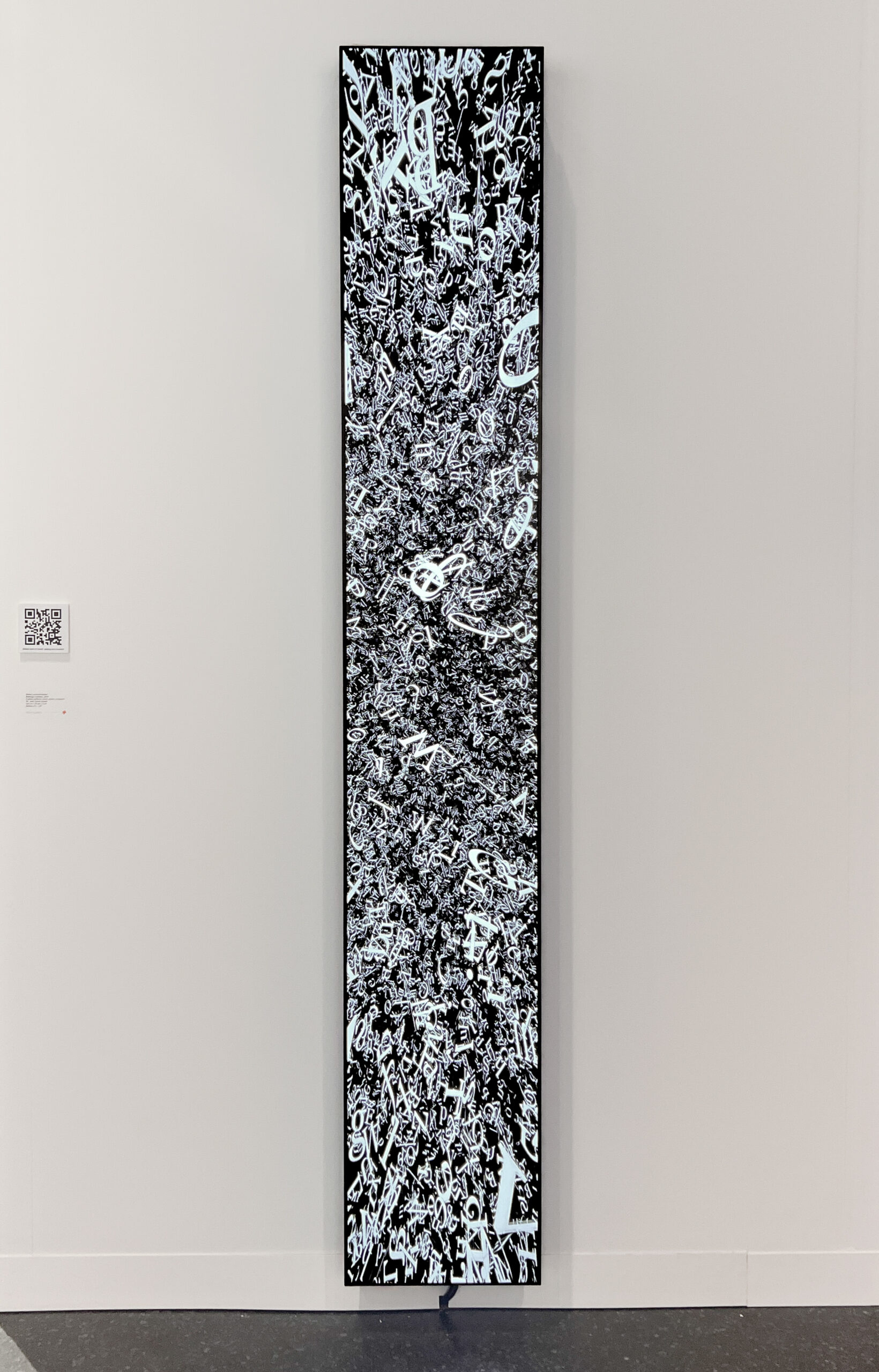
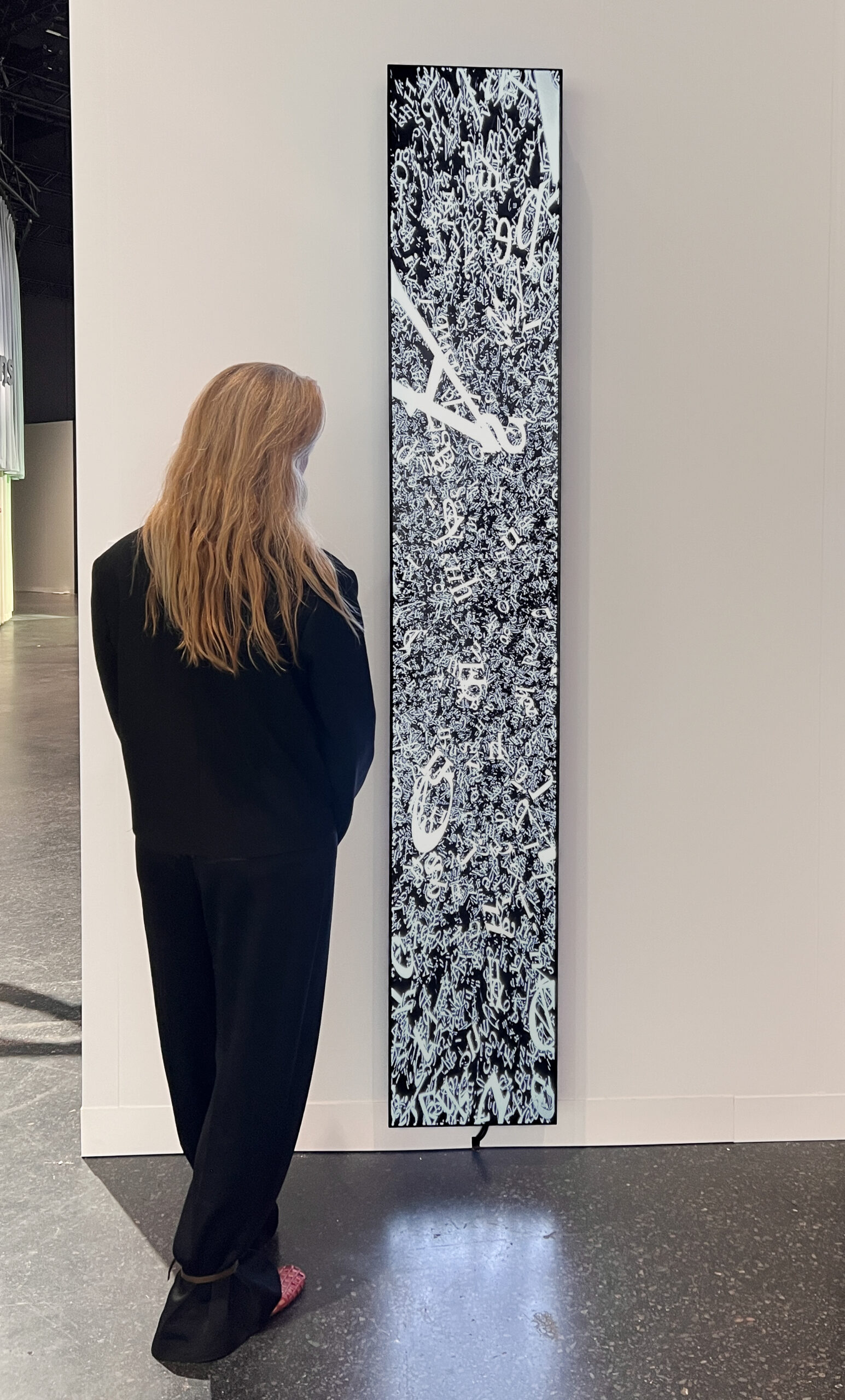
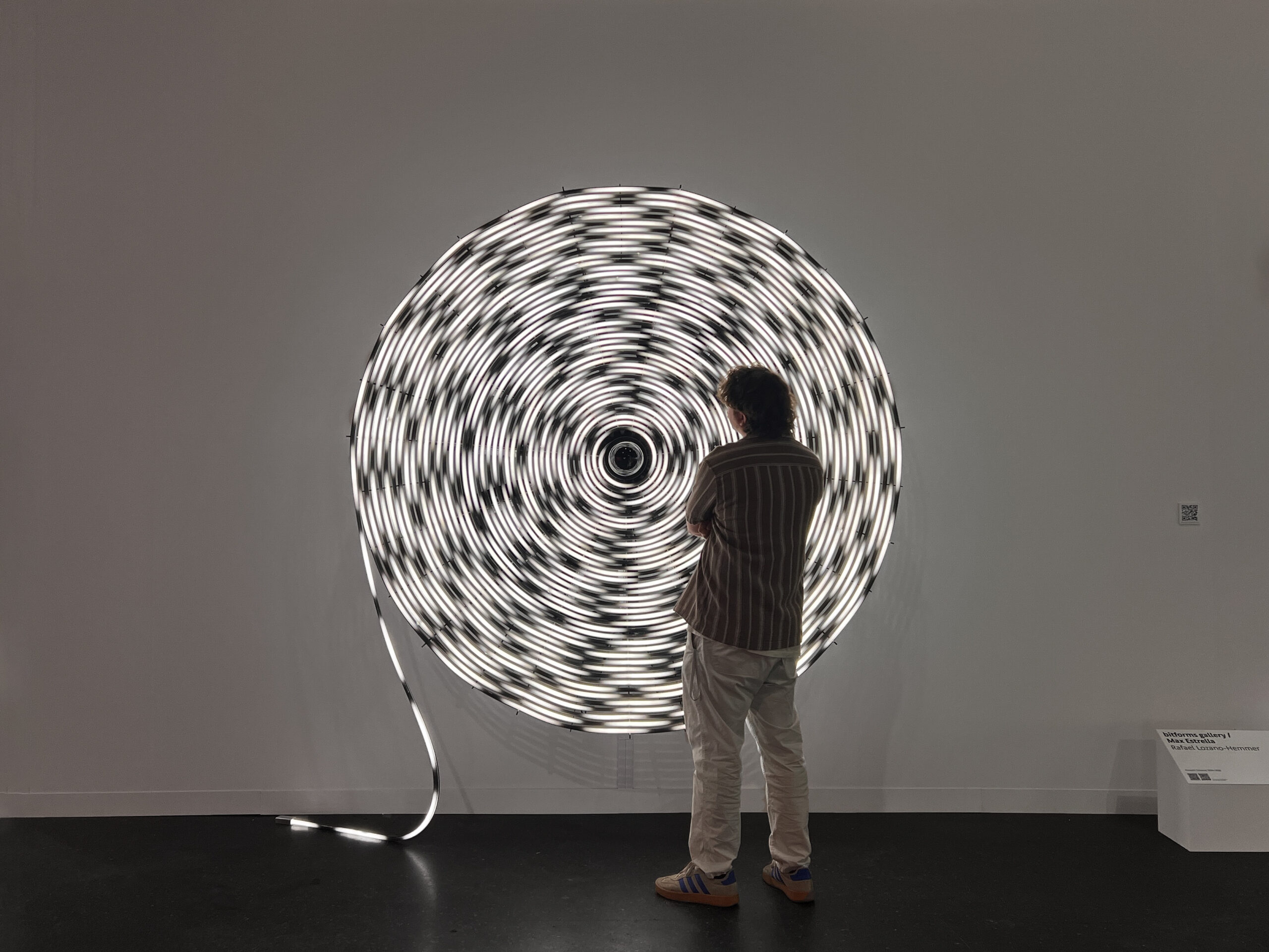
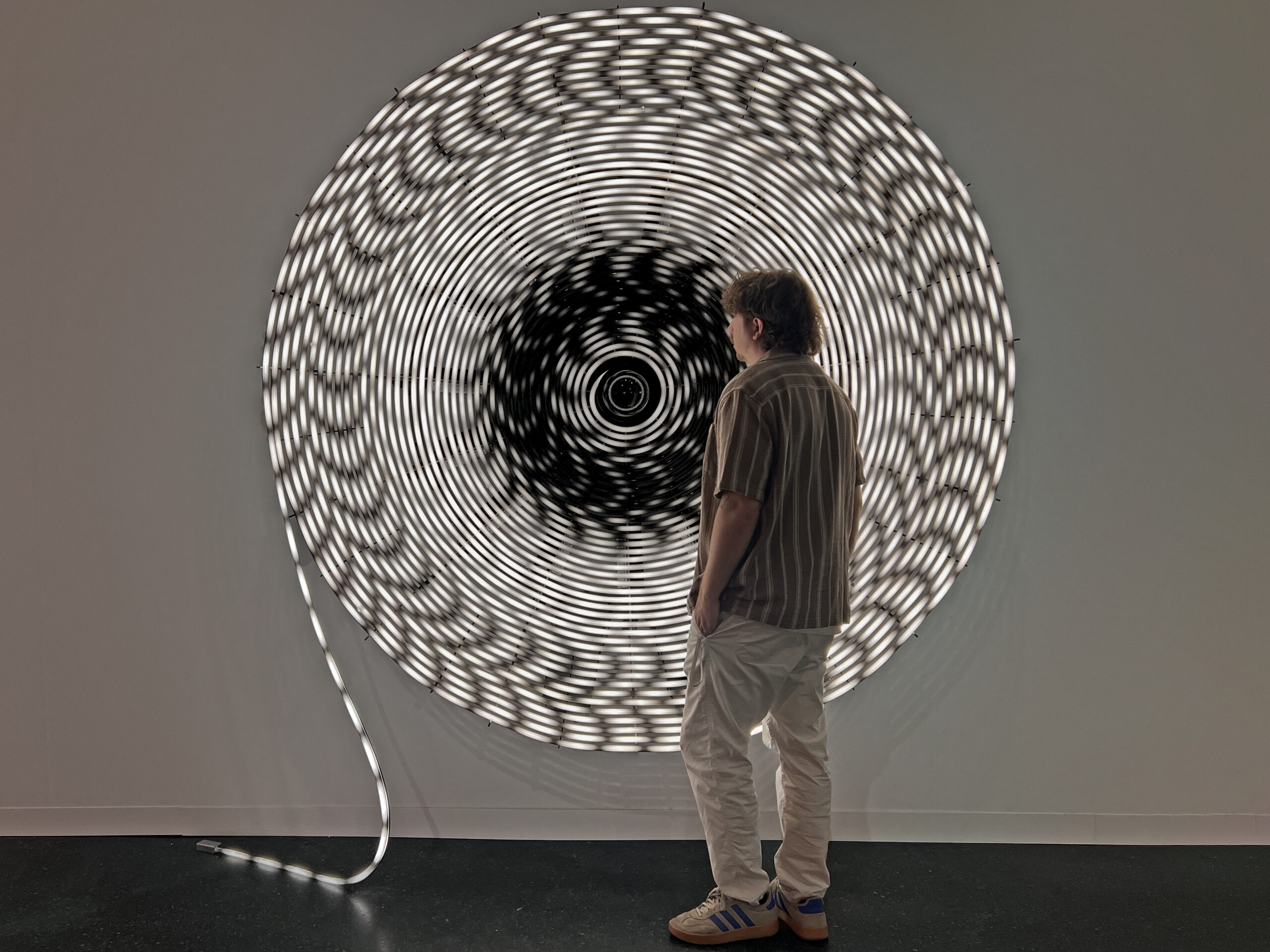
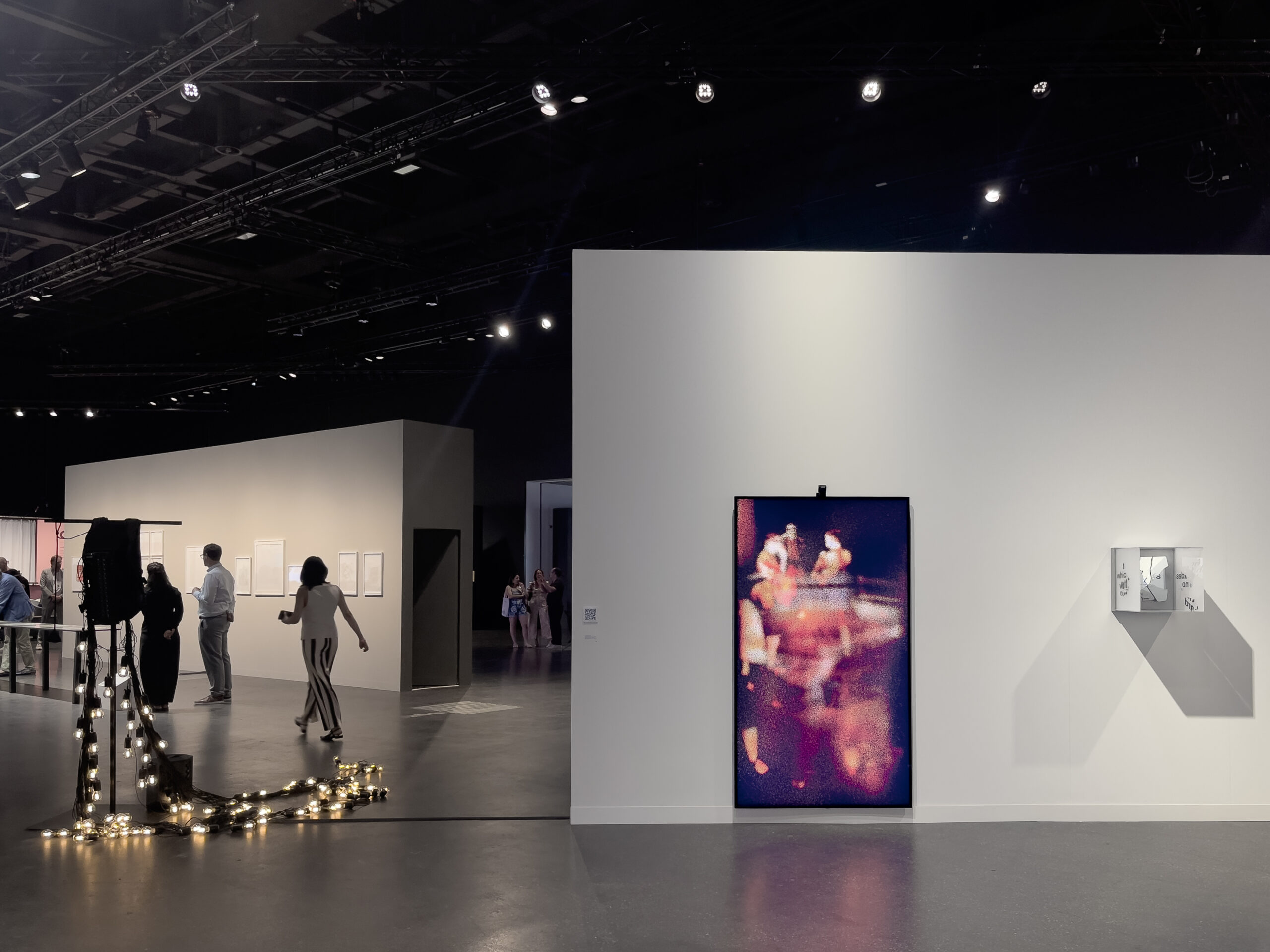
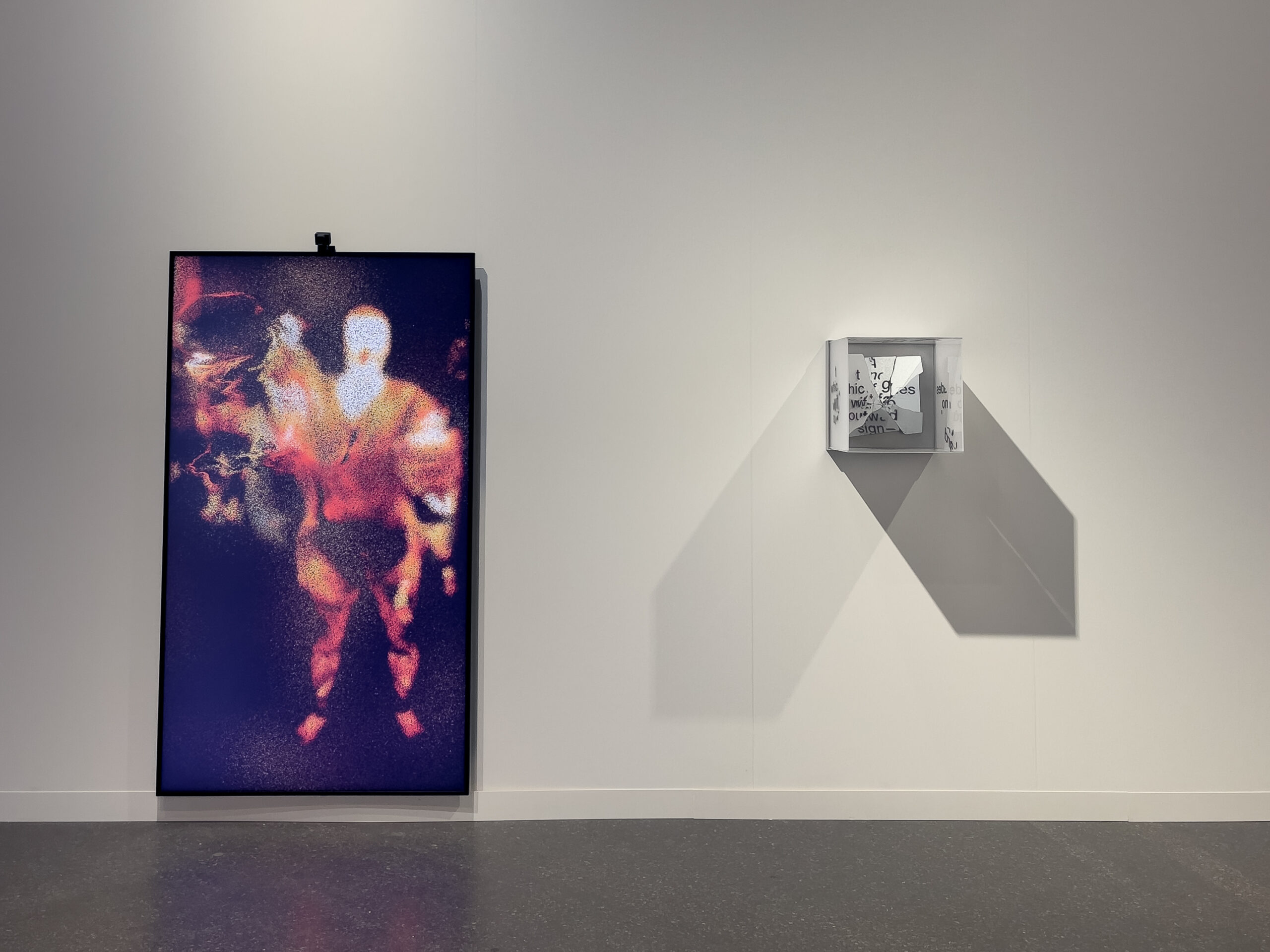
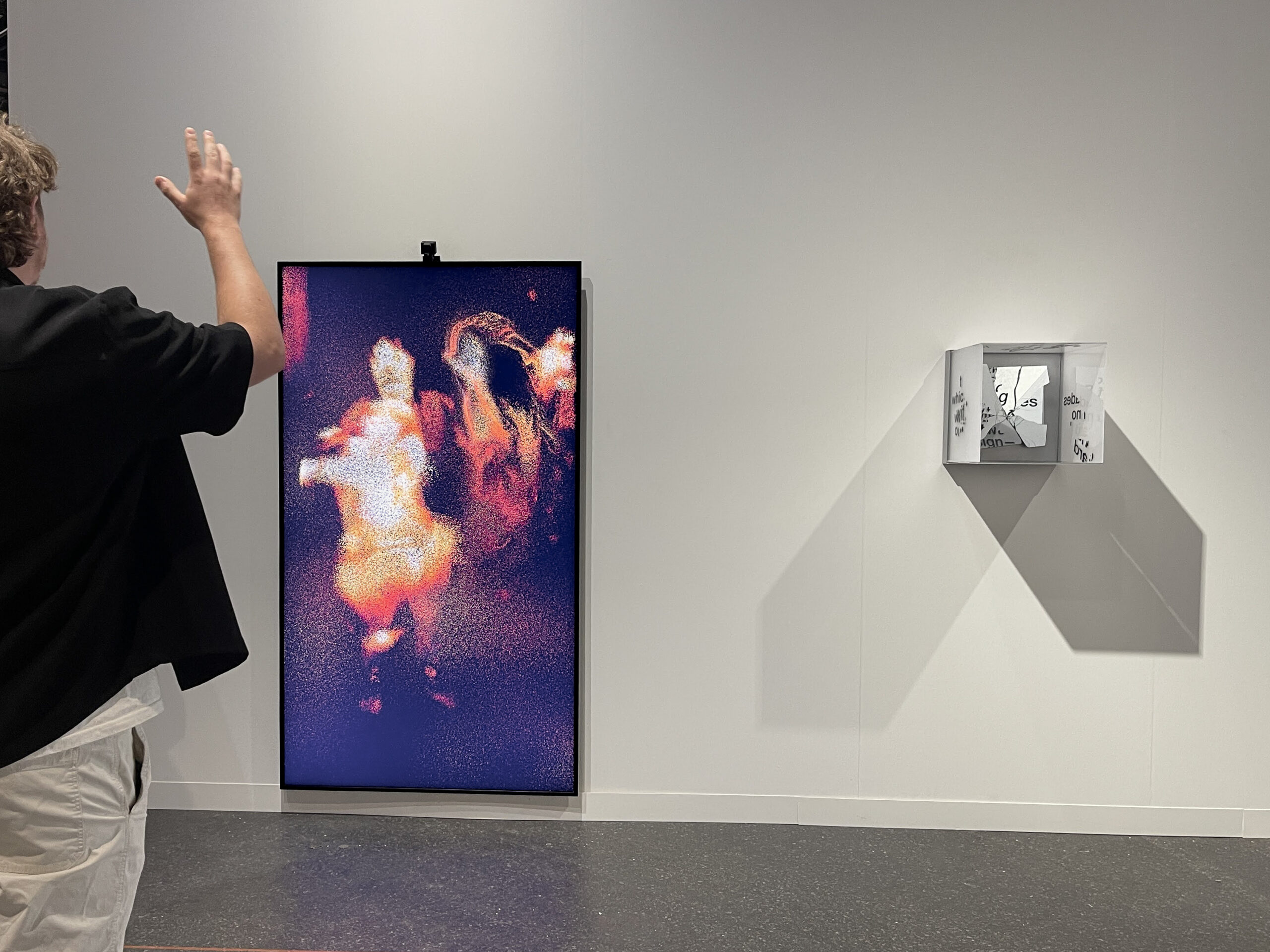
Max Estrella will be present at Art Basels' Zerp 10, with a solo presentation by Rafael Lozano-Hemmer in collaboration with bitforms gallery. Mexican-Canadian media artist Rafael Lozano-Hemmer presents Panoptic Chiasma, an exhibition of digital installations that examines contemporary perception as inseparable from computation. Bringing together four works that use computer vision to sense the public, the exhibition creates platforms for participation that are at once poetic, critical, and self-reflexive.
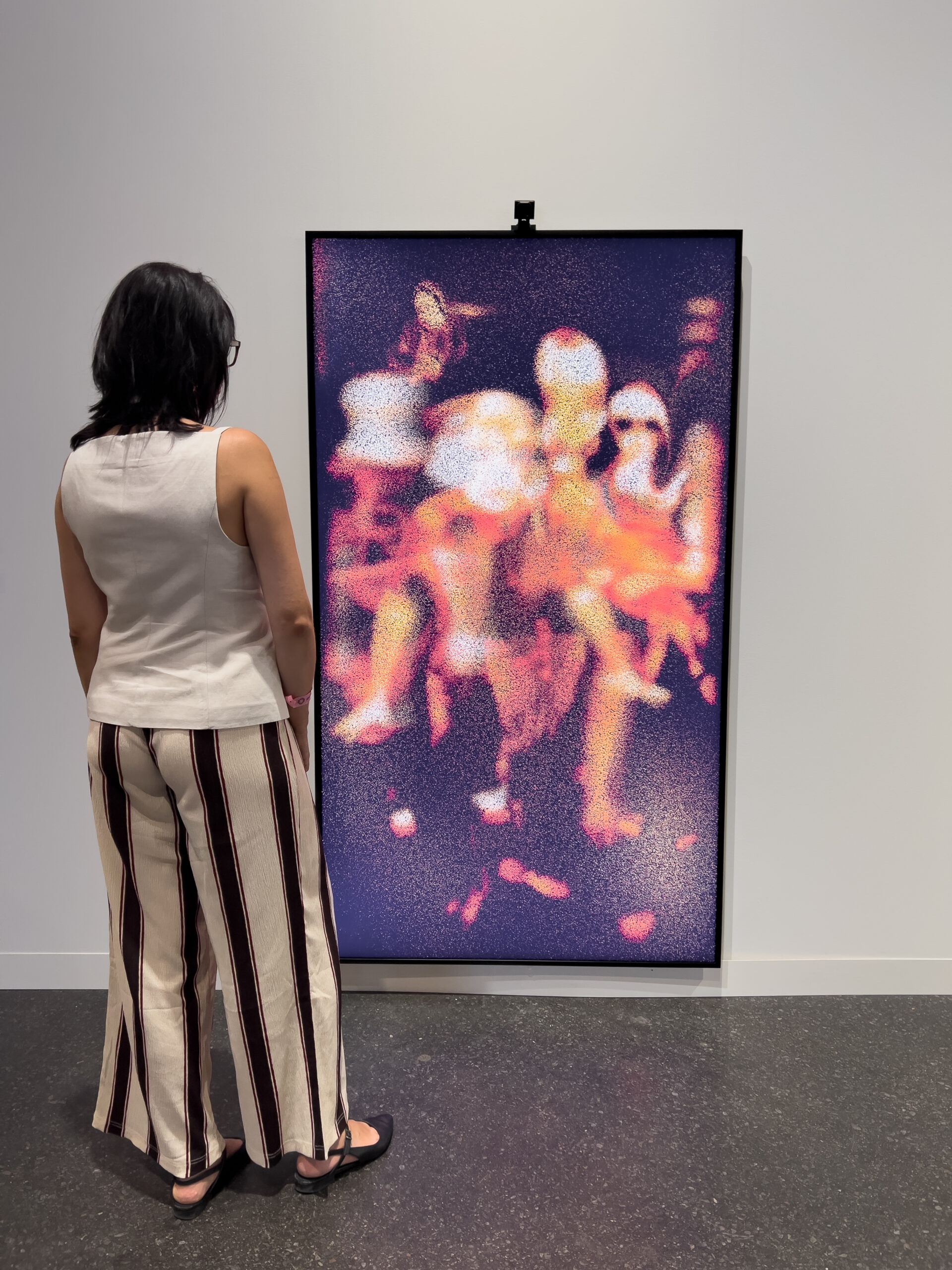
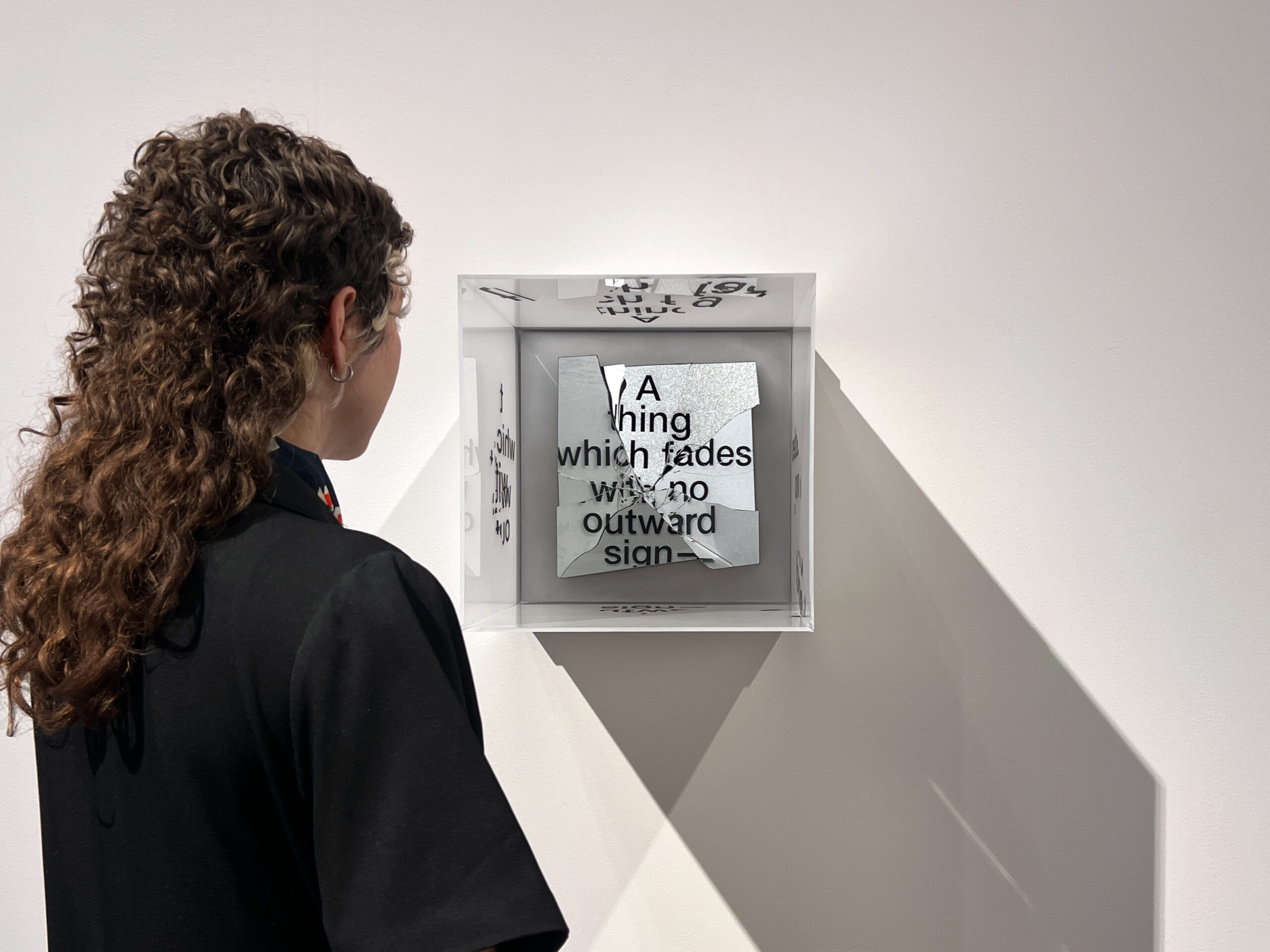
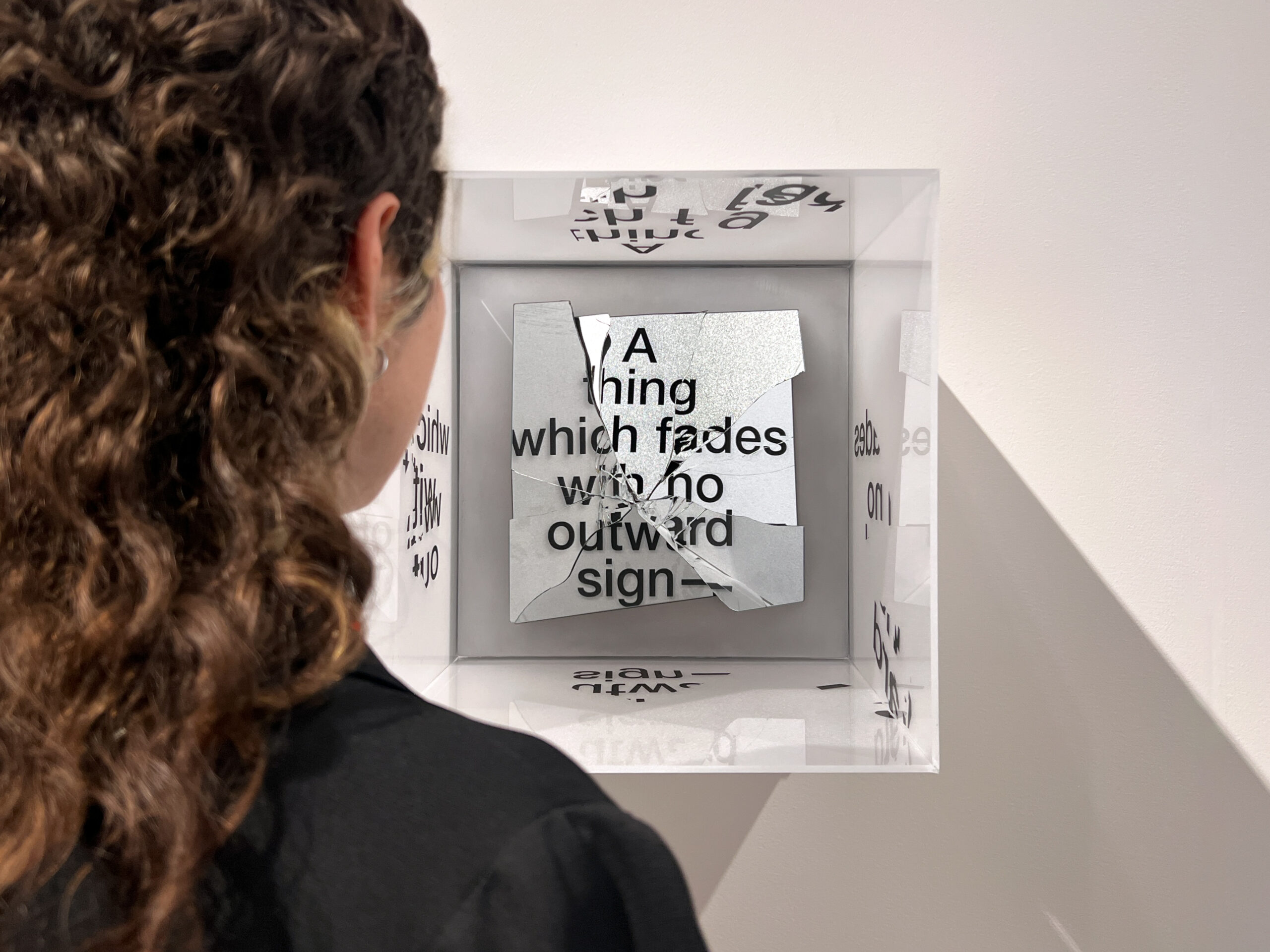
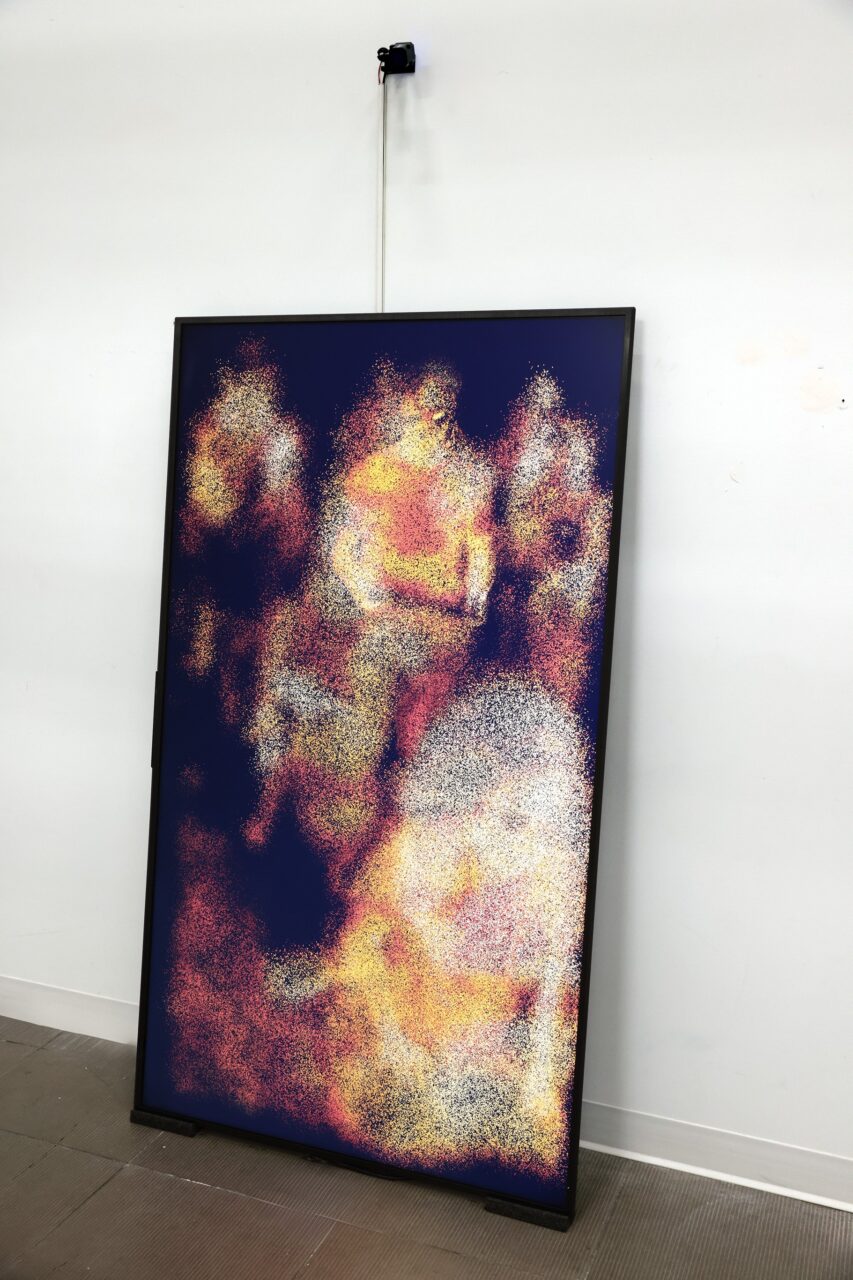
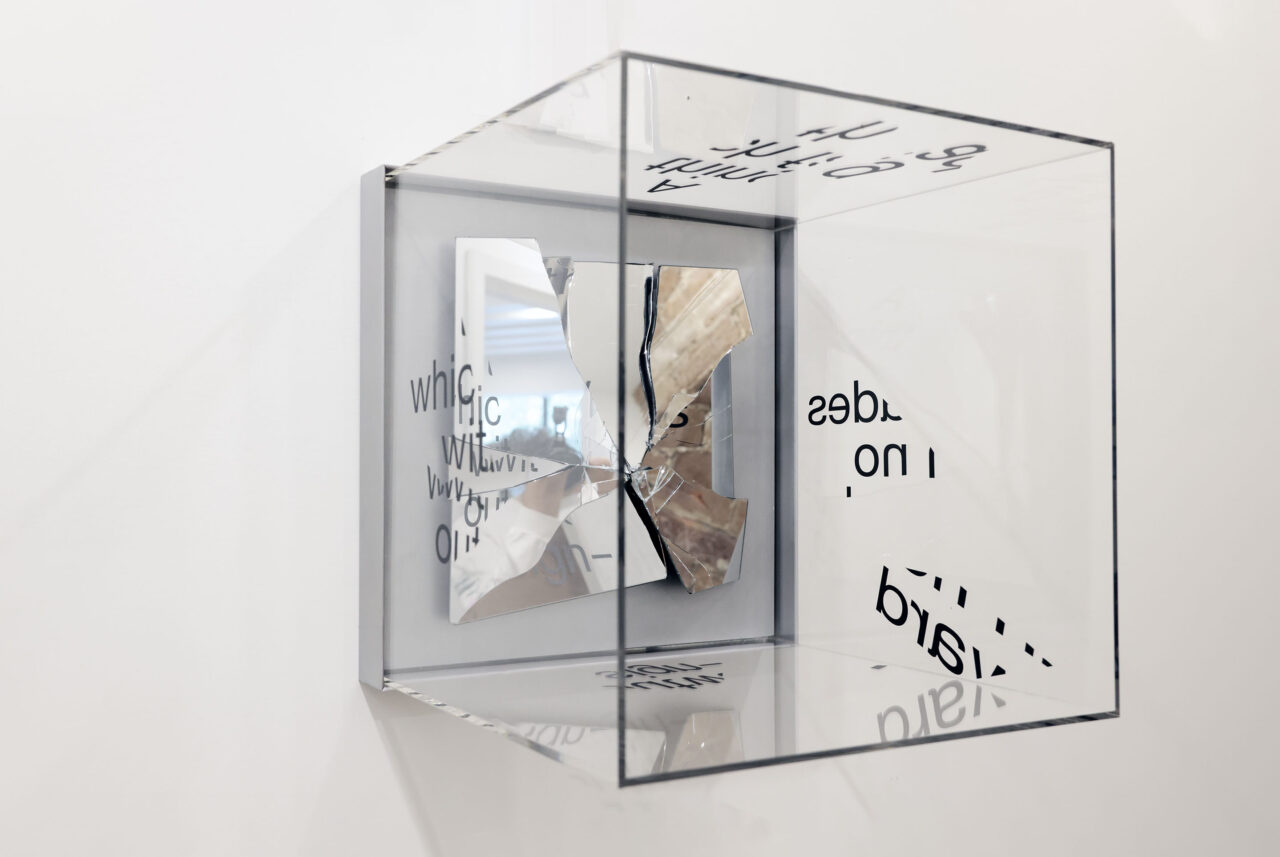
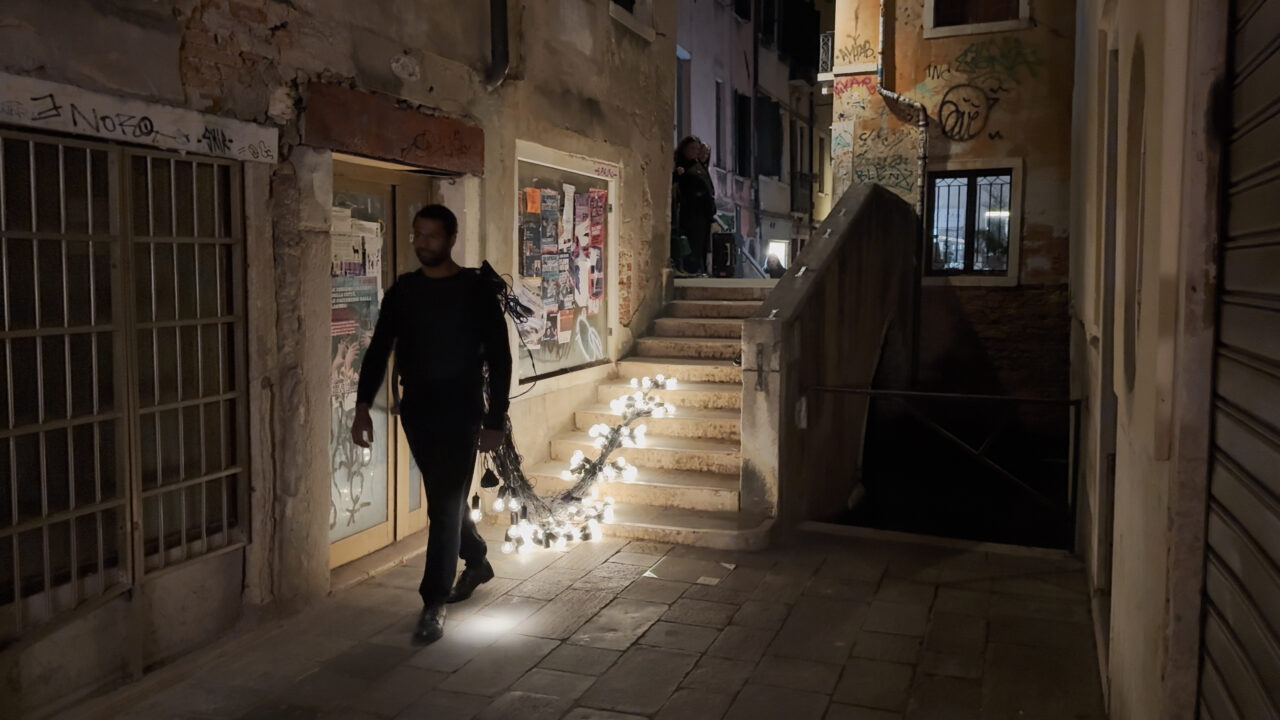
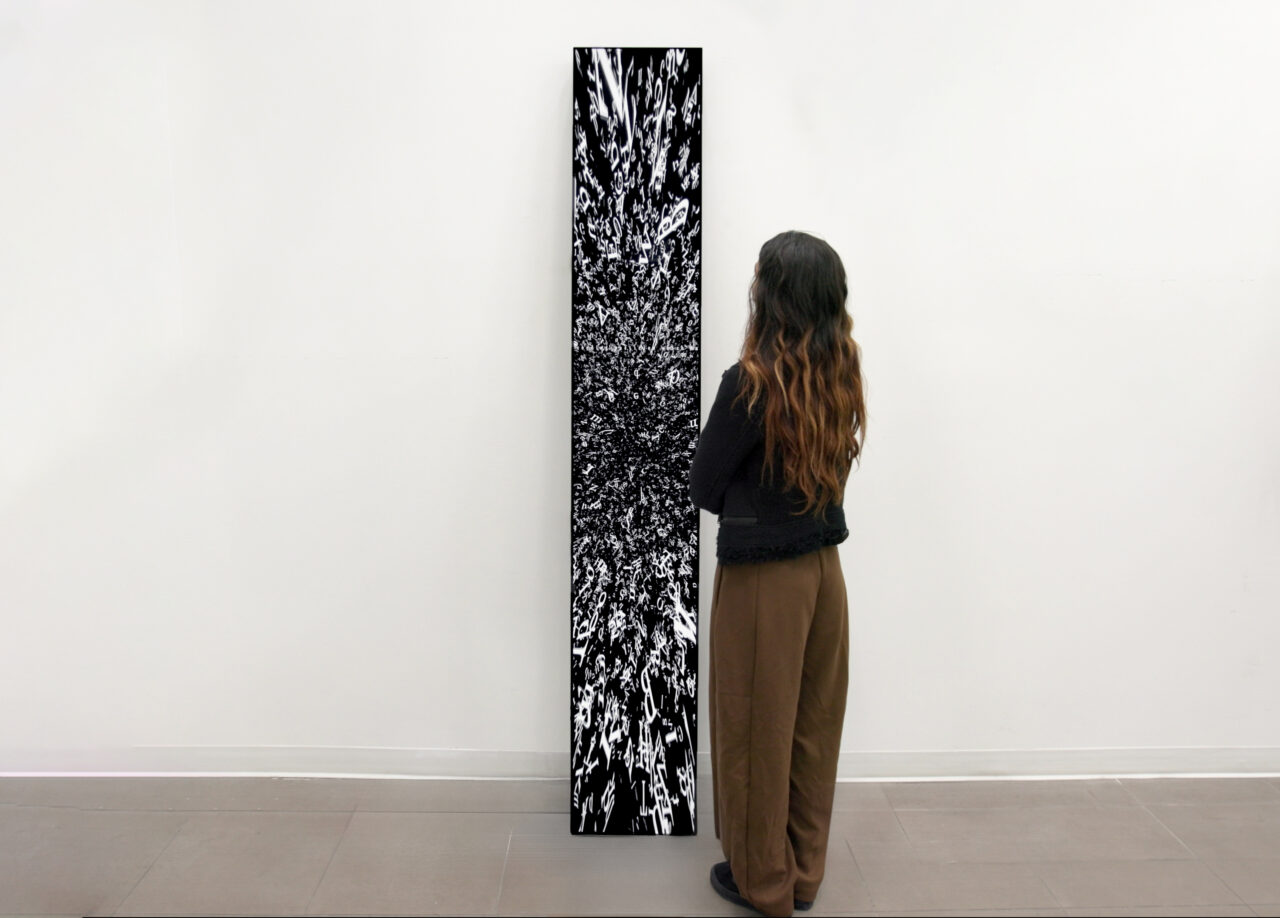
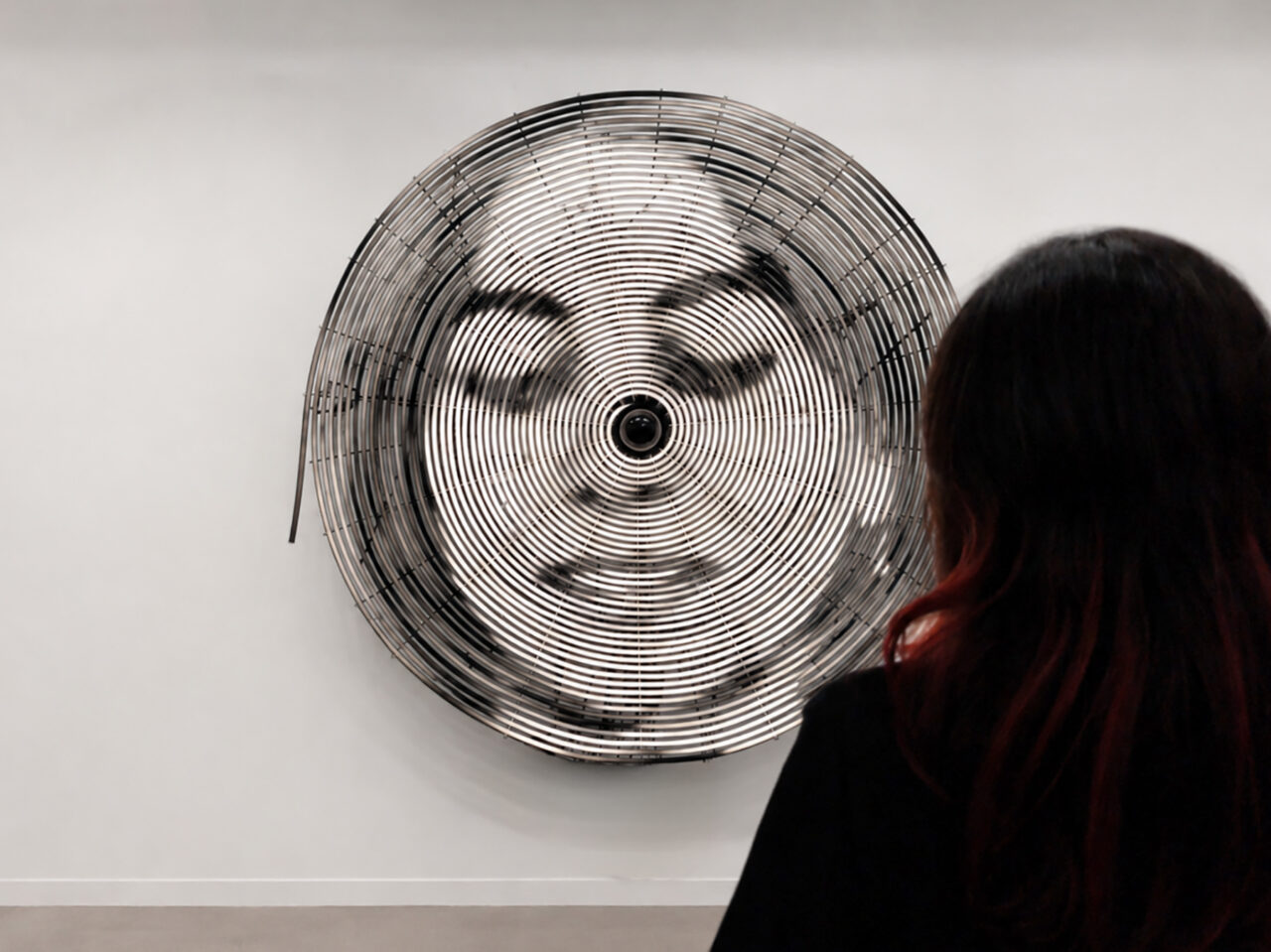
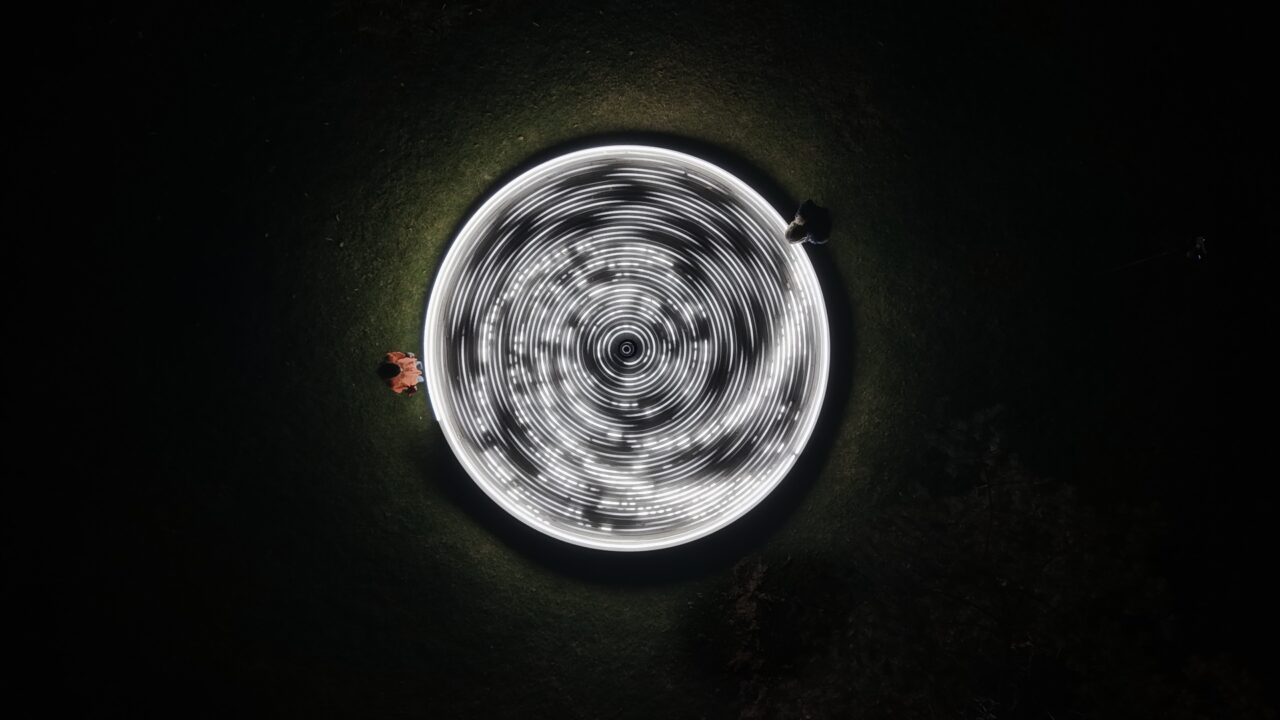
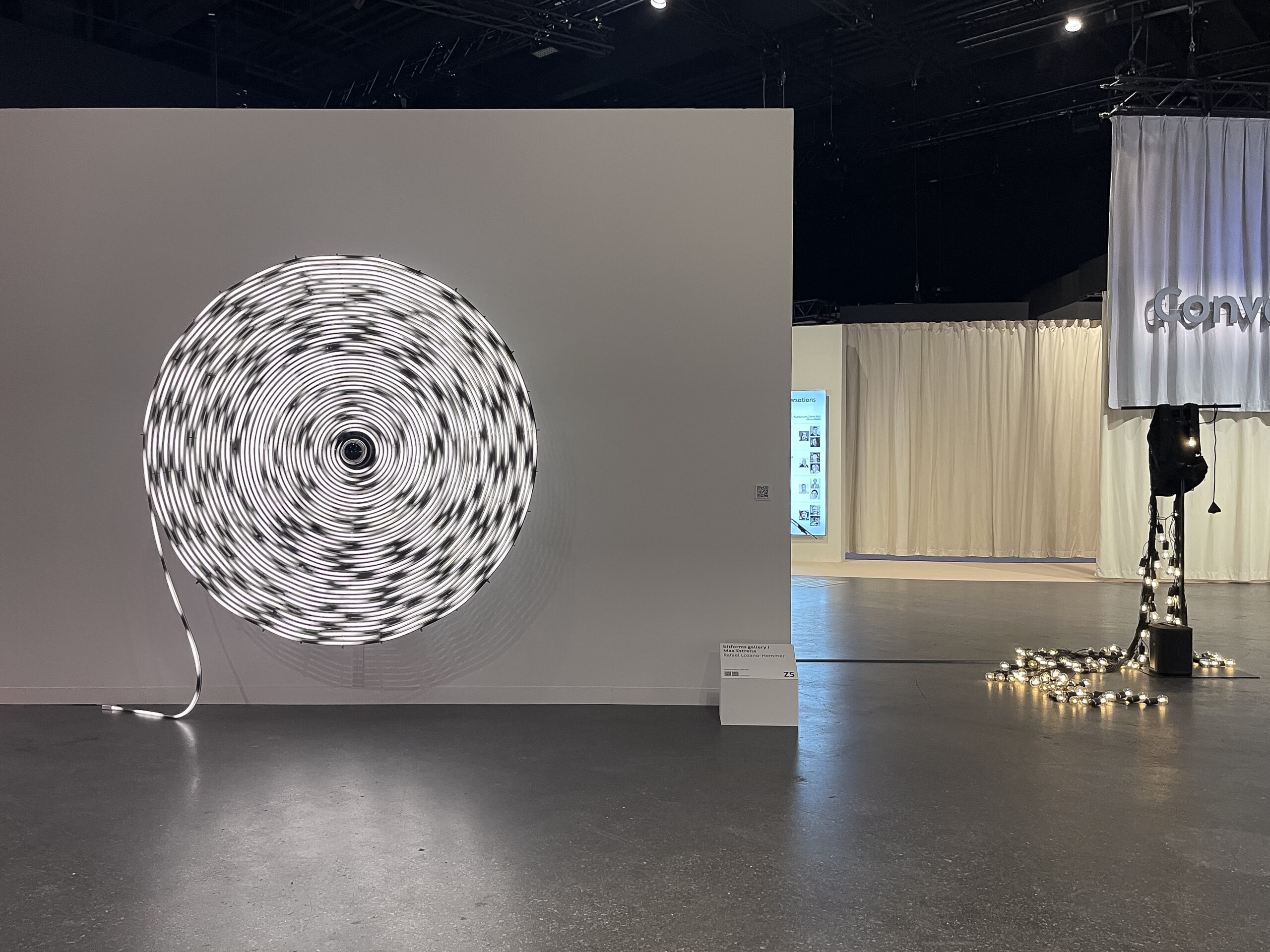
The presentation for Art Basel 2026 includes the premiere of Black Hole (2026), a spiral, parabolic image reflector equipped with a panoptic camera and embedded algorithms that extract facial features in real time. Additional works include Spectral Subjects (2024), a generative animation composed from participants’ heat signatures captured with a thermographic camera; Broken Mirror (2025), a computational reconstruction of a poem that shifts from the perspective of the viewer; and Pulse Agglomerate (2024), a memorial performance and wearable sculpture generated from heartbeats recorded through photoplethysmography.
Panoptic Chiasma situates these works within a lineage of media art that began over six decades ago, when artists such as Marta Minujín and Nam June Paik incorporated closed-circuit television into their practice. These early works staged a mise en abyme in which the artwork watches the viewer who watches the artwork—an endless regression that reveals the interdependence between perception and its construction.
Rafael Lozano-Hemmer was born in Mexico City in 1967. He received a Bachelor of Science in Physical Chemistry from Concordia University in Montréal in 1989, and, in 2025, was awarded an honorary doctorate in fine arts from the Ontario College of Art and Design (OCAD) in Toronto.
Lozano-Hemmer is a media artist working at the intersection of architecture and performance art. He creates platforms for public participation using technologies such as robotic lights, digital fountains, computerized surveillance, and telematic networks. Inspired by phantasmagoria, carnival, and animatronics, his light and shadow works are anti-monuments for people to self-represent. He was the first artist to represent Mexico at the Venice Biennale with a 2007 exhibition at Palazzo Van Axel, and has also shown at biennials in Havana, Istanbul, Kochi, Liverpool, Melbourne, Mercosul, New Orleans, Shanghai, Singapore, Sydney, and Wuzhen. His large-scale participatory art installations transform public spaces, creating connective environments for communities. In 2019, he presented “Border Tuner”, designed to interconnect the cities of El Paso, Texas, and Ciudad Juárez, Chihuahua. The project brought together tens of thousands of people, reuniting families on both sides of the US-Mexico border. Other works were commissioned for events such as the Millennium Celebrations in Mexico City (1999), the Cultural Capital of Europe in Rotterdam (2001), the UN World Summit in Lyon (2003), the Winter Olympics in Vancouver (2010), and the pre-opening of the Guggenheim Museum in Abu Dhabi (2015). His works are in collections around the world such as MoMA, Guggenheim, TATE, Reina Sofía, Hirshhorn, NGV, MUAC, and MONA. Major recent solo exhibitions include “Unstable Presence,” a mid-career retrospective co-produced by the Musée d’Art Contemporain de Montréal and SFMOMA; “Listening Forest,” installed over 120 acres of land at Crystal Bridges Museum of American Art in Bentonville, Arkansas; “Common Measures,” his first solo exhibition at PACE Gallery, New York; “Translation Island,” a 2-km parcours with ten public artworks, in Lulu Island, Abu Dhabi; and “Unfinished Garden” a 1-km parcours including nine works at the Museum of Modern Art (MAM) in Mexico City.