Miler Lagos
Gethsemane. Olive press
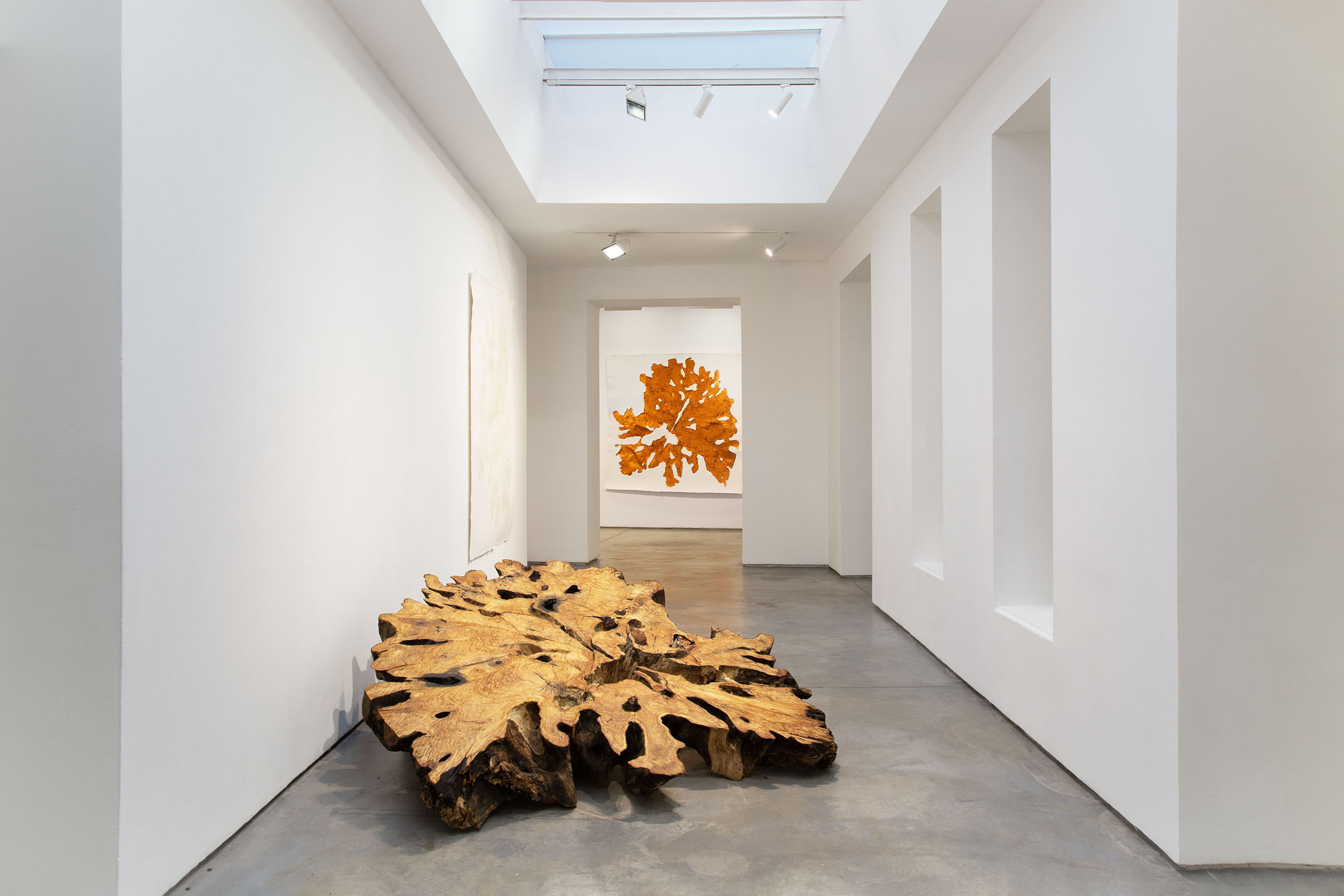
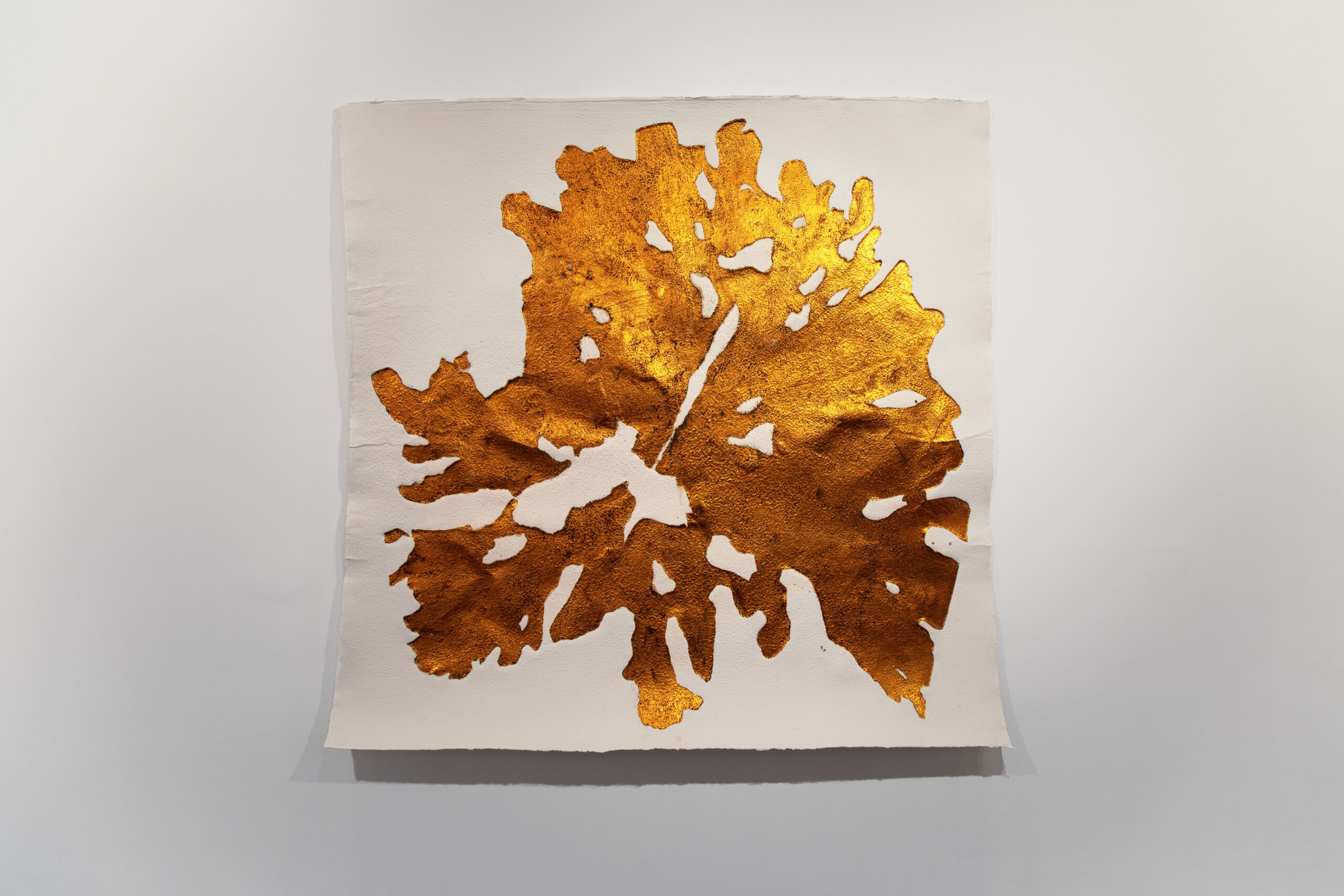
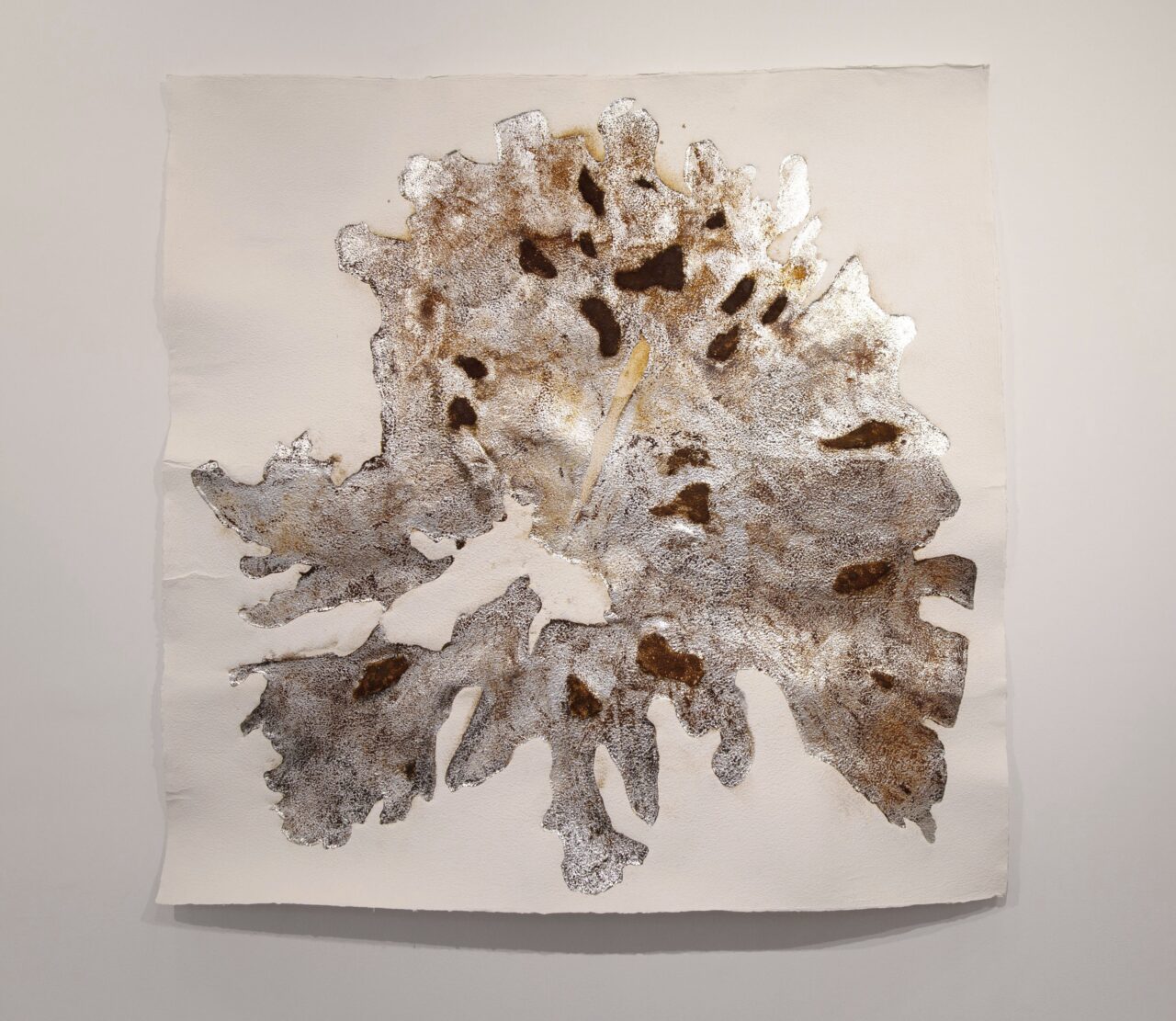
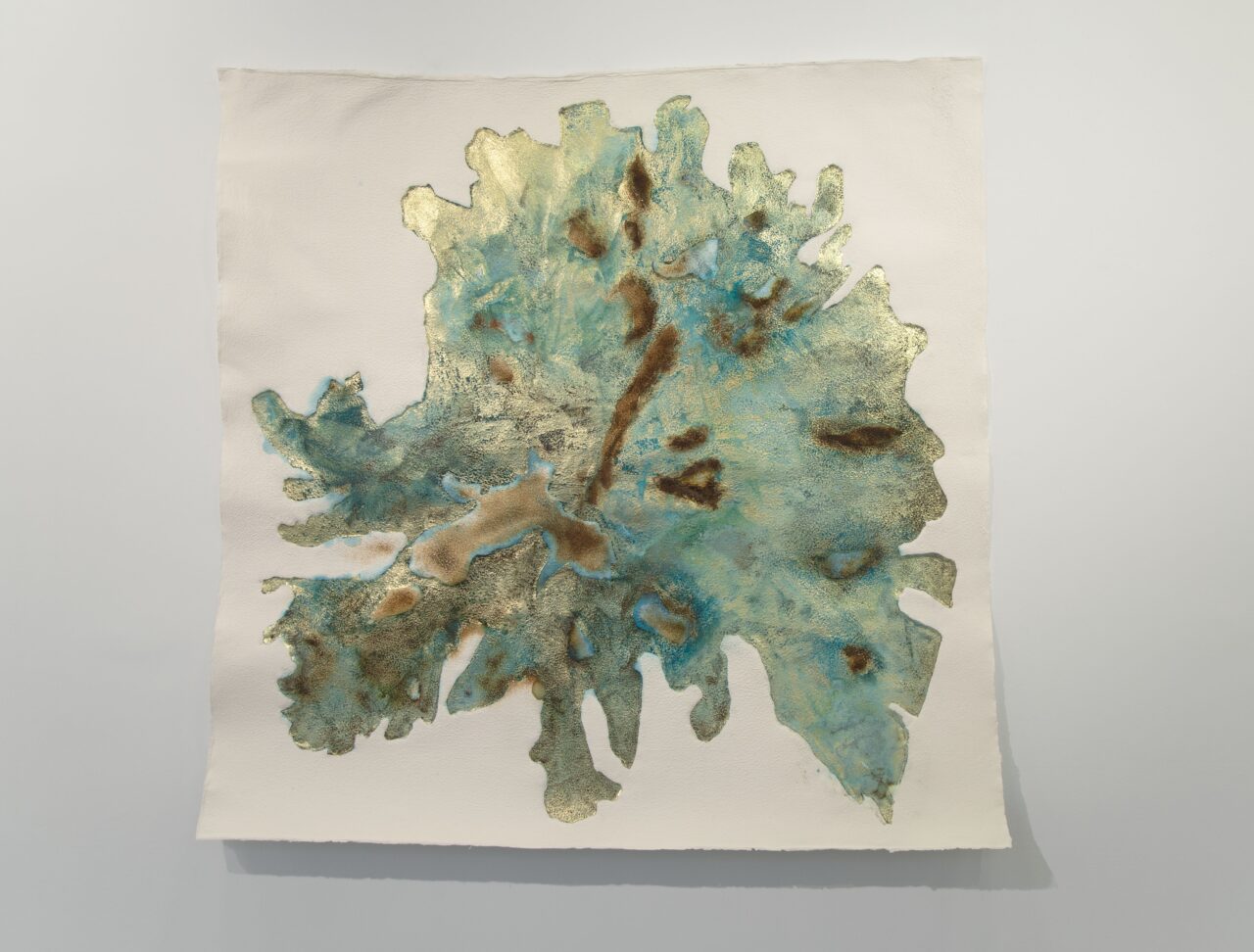
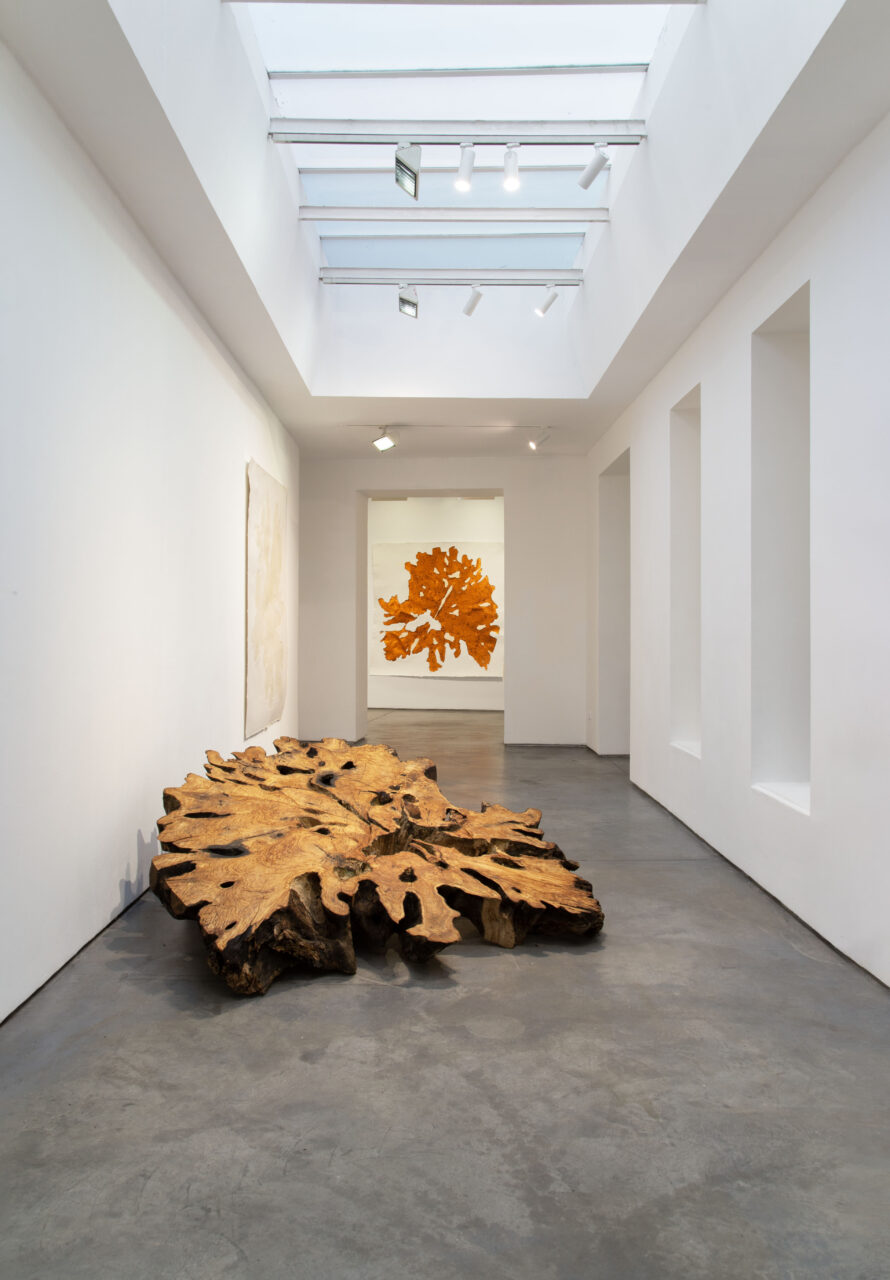
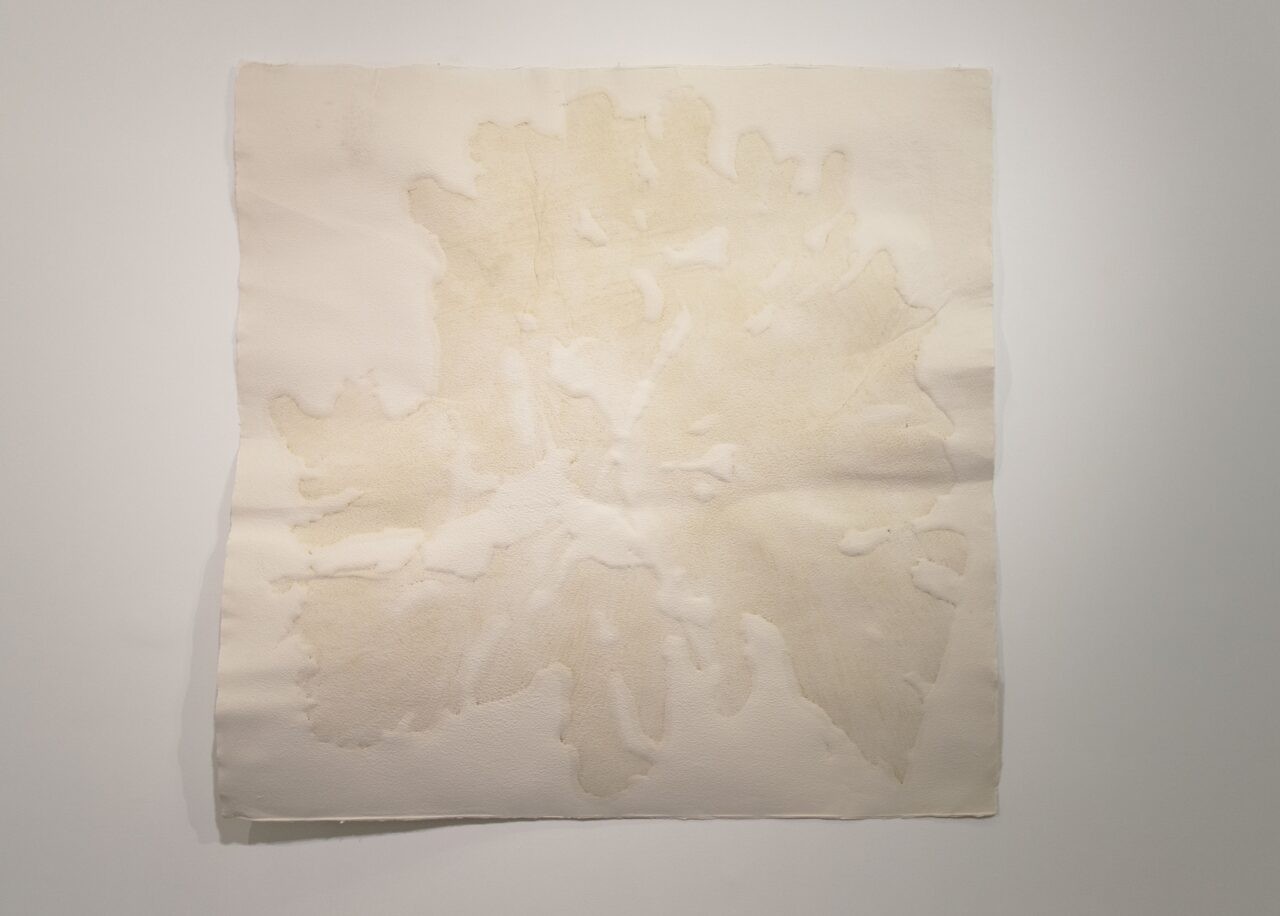
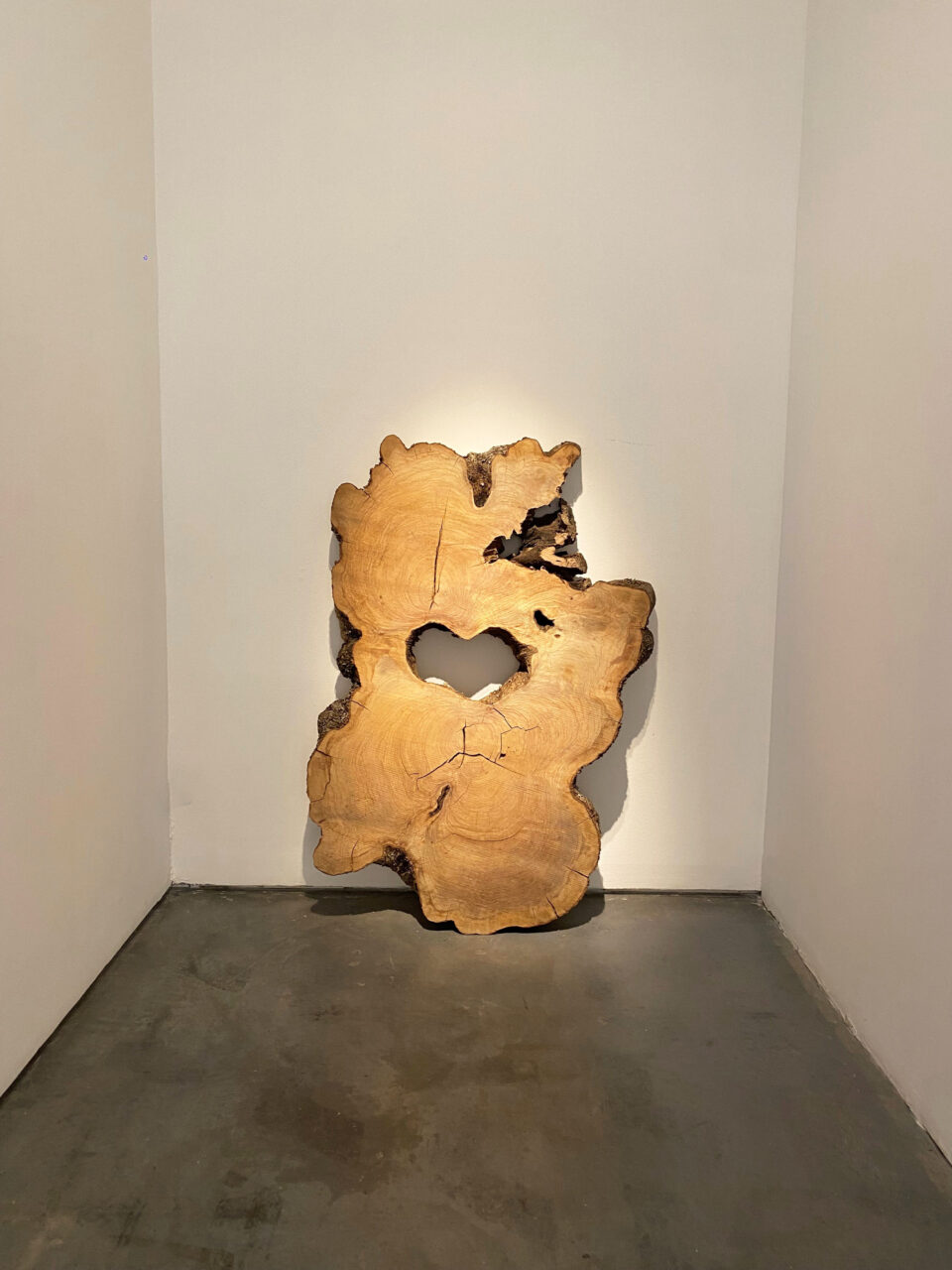
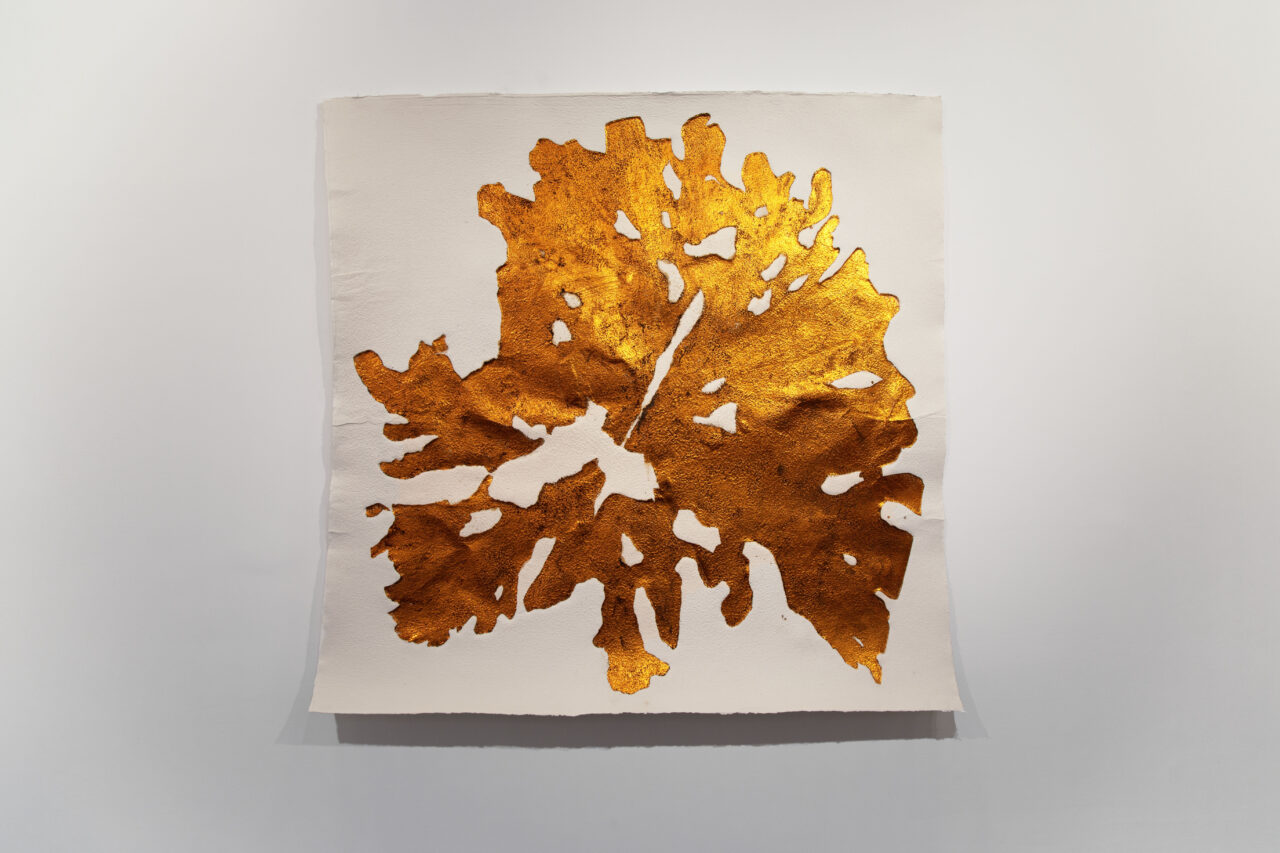
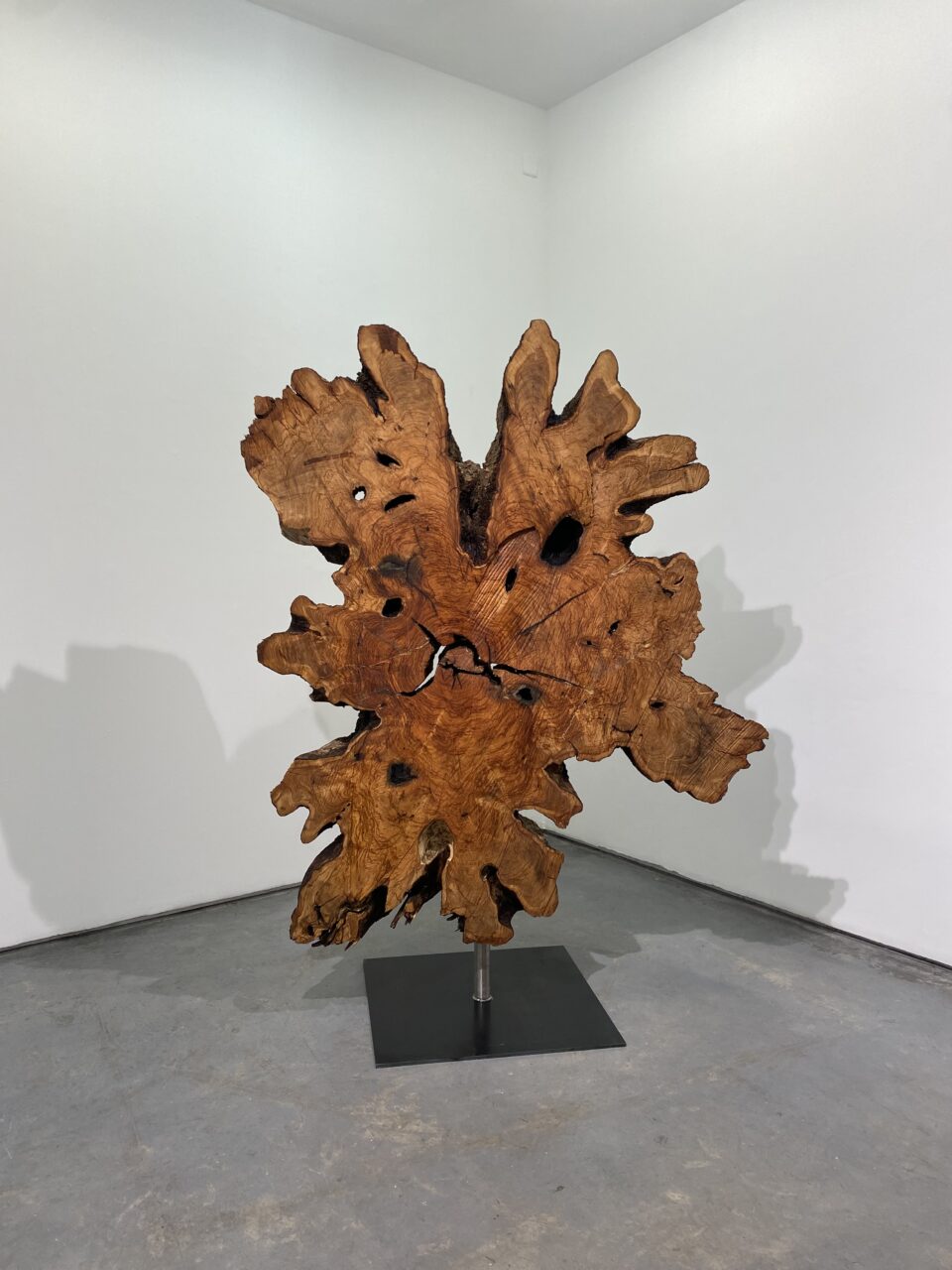
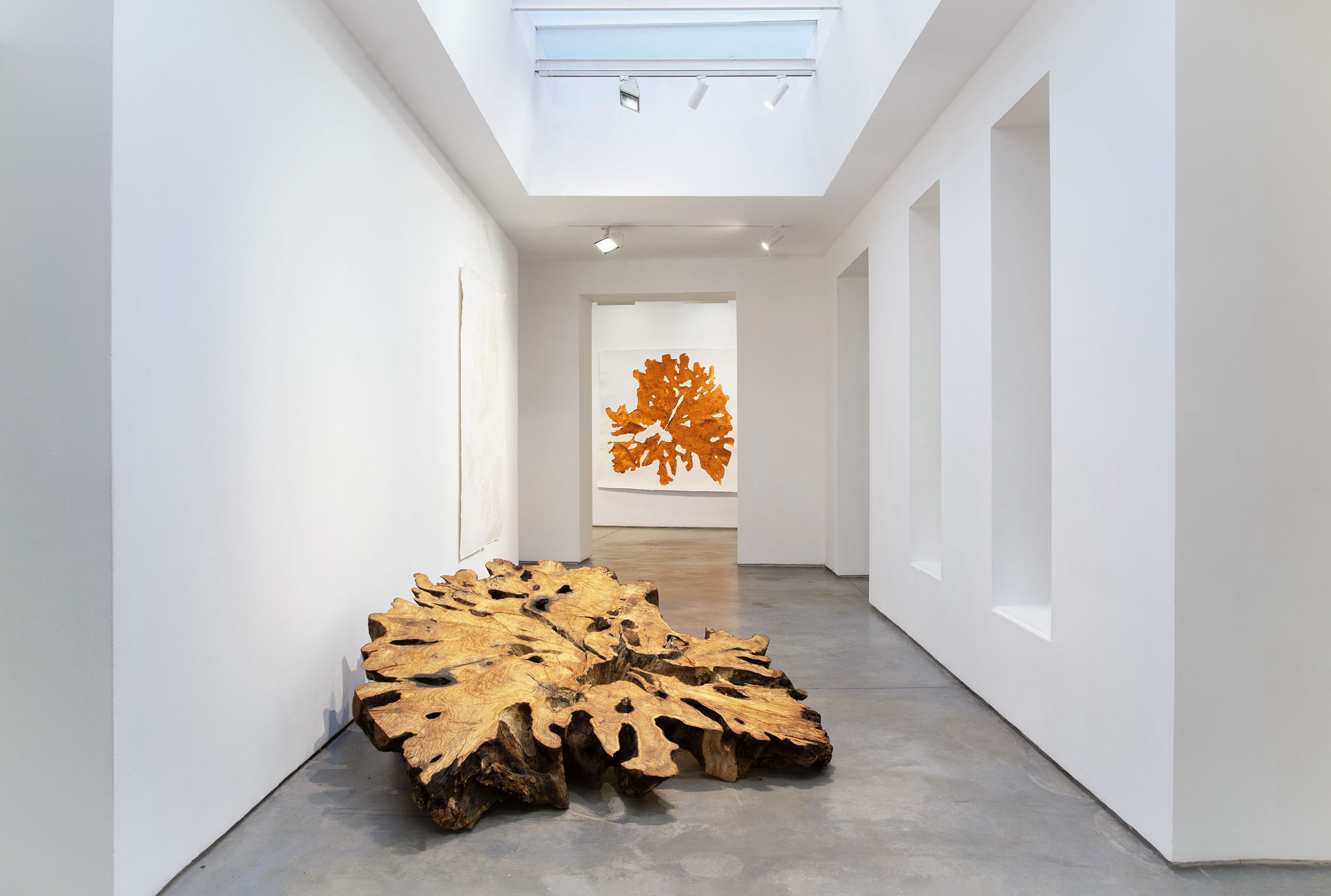
Max Estrella presents Miler Lagos’ second solo exhibition at the gallery. The Colombian artist showcases a series of etchings created using the intaglio technique, made from horizontally cut tree trunks. Lagos has managed to include a section of a Calabrian olive tree trunk, 1,800 years old, which, after suffering damage during transportation, was located and recovered by the artist. A symbol and witness to the passage of centuries in the Mediterranean, the olive section represents a fragment of history that the artist incorporates into his work. Using a press that leaves an imprint of the tree, the works become tangible traces of time, exploring the relationship between man and the natural world.
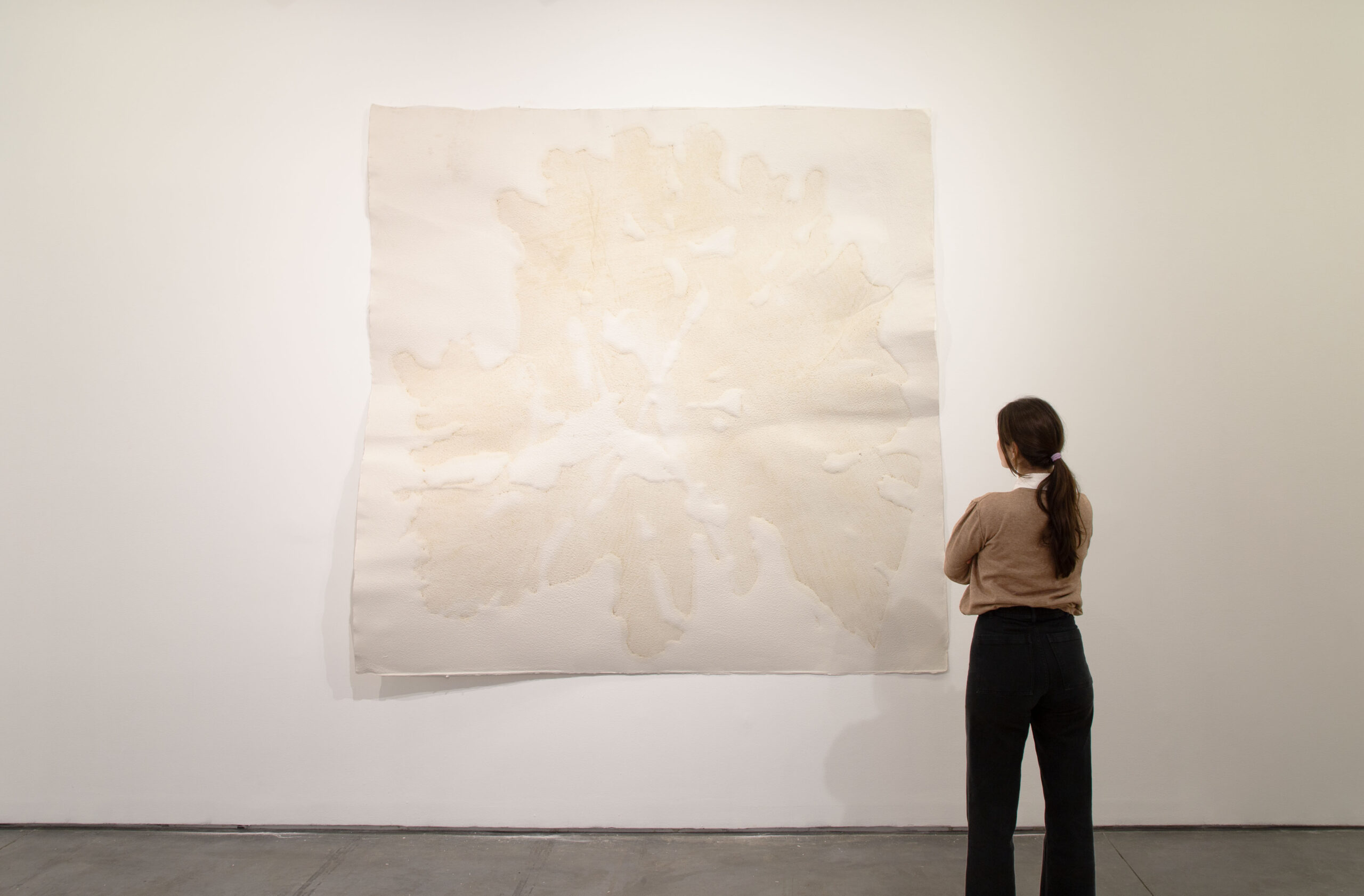
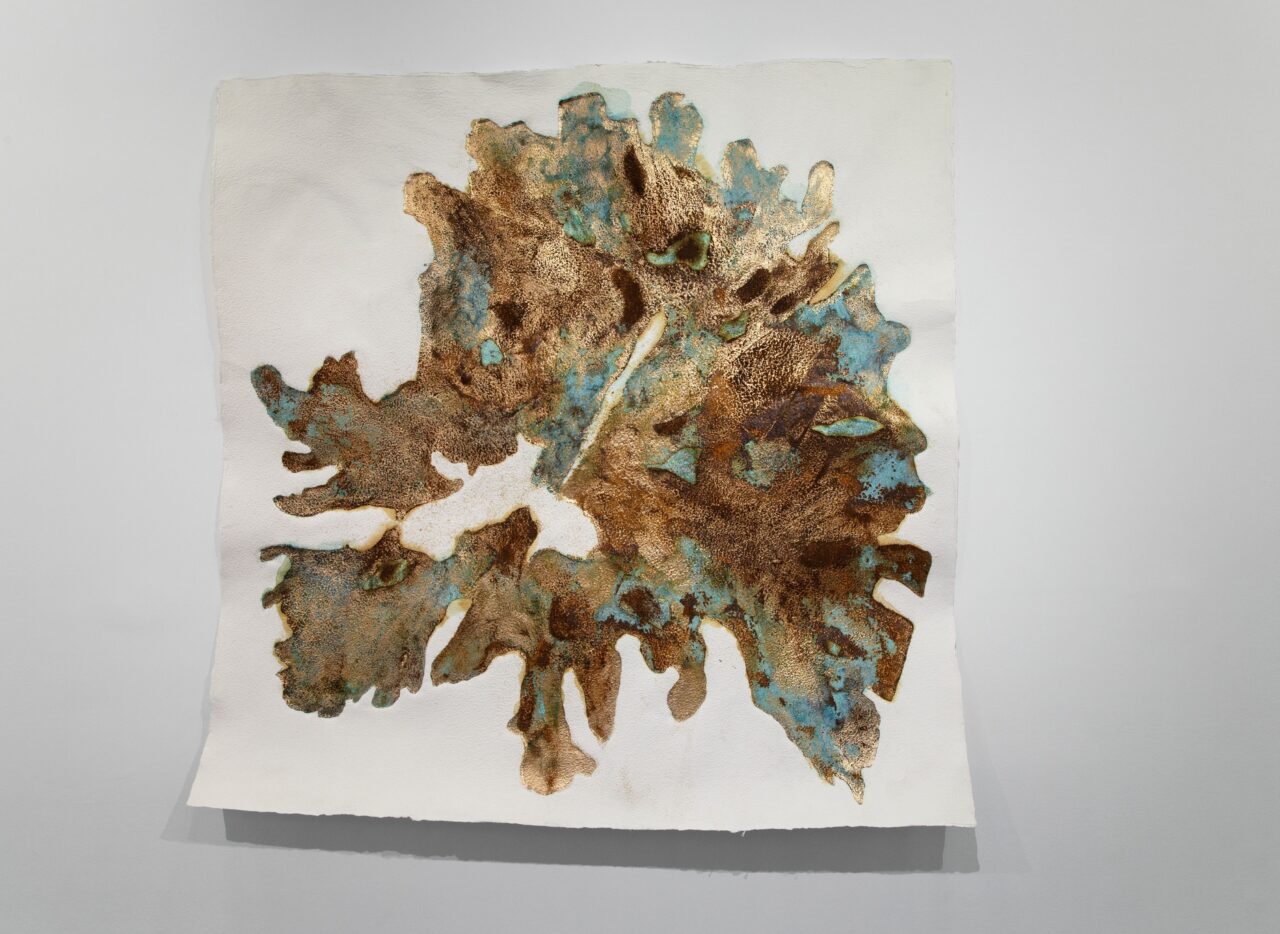
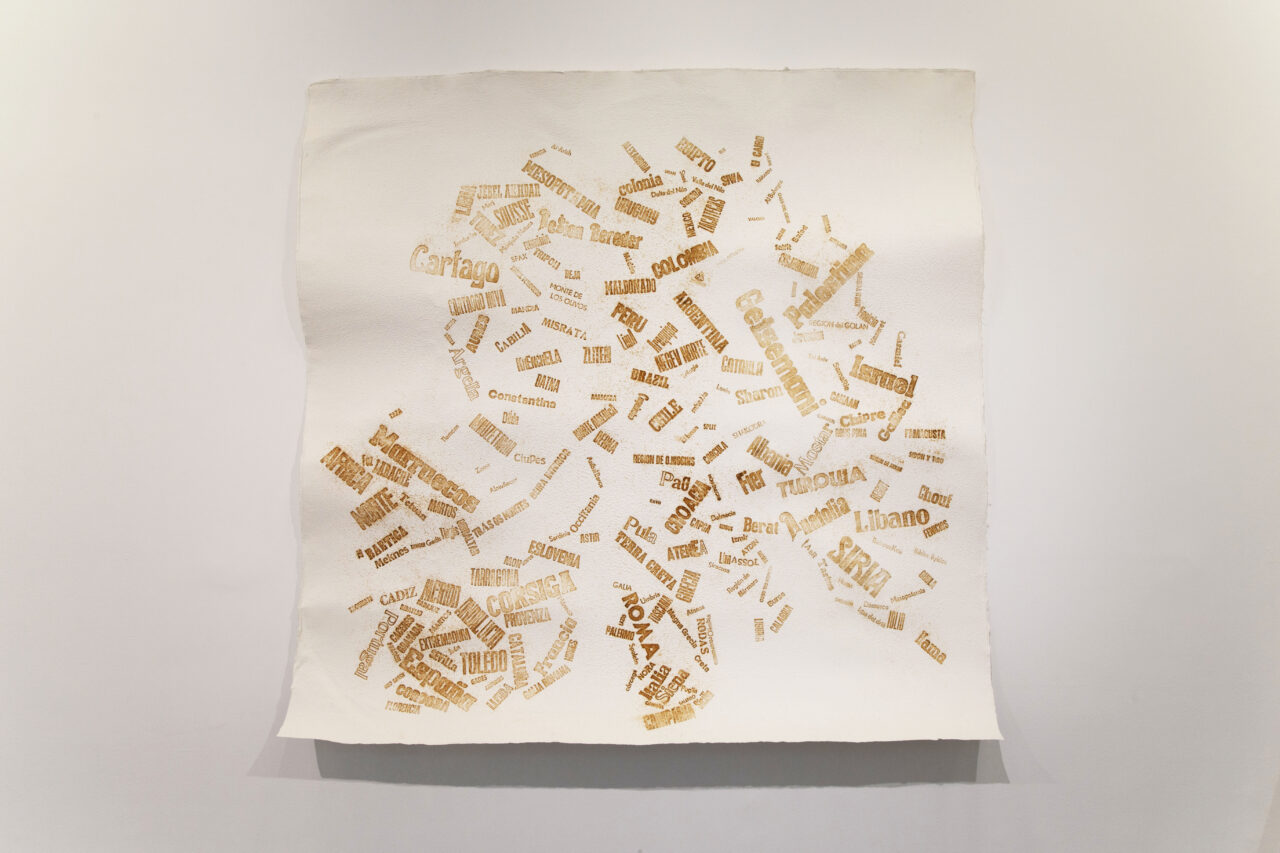
The most powerful aspect of these works is that they were dreamt before the encounter. The paper, handmade from pure cotton, was produced in workshops on the savannah of Bogotá before the artist had even seen the olive tree. Everything was conceived from a distance. Each sheet was an act of waiting. In that same place, the names of the territories where the olive tree has taken root over time were printed—ancient places, memories that inhabit the geography of this tree without it being present. It was only upon arriving in Madrid that the encounter happened. The thousand-year-old olive tree was finally met by the press—a press that prints but also stamps. Each engraving bears the name of an ancient Phoenician coin, as if a value, a story, a symbol of exchange between worlds were also being imprinted. The olive tree has been that too: a medium of exchange, a sacred reserve, a symbol of wealth and peace. Like ancient treasures, the series La Reserva preserves this memory. Each print is unique, as if each sheet of paper recognized the body it had imagined for so long. That is how this crossing between two worlds came to be.
-MILER LAGOS
For Miler Lagos (b. 1973, Bogotá, Colombia), the tree is the “silent witness to the passage of time. It is the recorder of changes and events. It is wisdom, perseverance, resistance, and fluidity.” Trees are living archives, sources of strength and rootedness—bodies that sustain the world’s memory without imposing upon it. Yet humankind has claimed the right to interrupt that record.
Getsemaní is the title of this exhibition, part of the project La Reserva, a series of intaglio prints made from horizontally cut tree trunks. The press captures the tree’s imprint, and the works preserve a trace of time marked by the violence of the machine, allowing memory to persist in a different form. Each print bears the scar of the chainsaw and the rust of the plate, and with them, a new story is born, one that the tree now shares with humanity.
Miler Lagos reveals the mark of fracture, the scar that interrupts natural memory: a gesture of domination aimed at controlling what came before us and what will outlive us. The series evokes agony and resilience, but also the chance for rebirth. Getsemaní means “oil press,” the place where olives were crushed to extract their essence. Here, the press becomes a metaphor for violence against nature and for the act of printing as wound, permanence, and contemplation.
Like a shroud, each work is a testimony to what has been touched, marked forever. The tree, once silently accumulating history, now becomes a visible testament to its own extinction. If olive oil was once a symbol of the sacred—an anointing balm for kings and priests, then the imprint becomes a mark of destruction and, simultaneously, a space for reflection.
n Madrid, the series includes a particular case: the imprint of a thousand-year-old olive tree that died during its transport from Italy to Spain. A tree that withstood centuries of history, yet could not survive humanity’s desire to possess it. Through printing, its story finds a new way to live.
The olive tree is both root and boundary of the Mediterranean, a biological and historical heritage protected by law and by rural knowledge. It has been plundered and revered, uprooted and safeguarded. It accompanied empires, trade routes, and sacred rituals; crossed seas and united cultures. It served as sustenance, currency, and an emblem of peace and resilience. That tension between violence and care, loss and permanence resides in these works.
This exhibition is the remnant of that toxic relationship between humanity and nature. Like the oil press that tears the fruit to extract its essence, each print records halted time -a wound that doesn’t heal. The work reminds us of the paradox: humanity protects what it destroys and celebrates what it annihilates.
But what seemed like an end transforms into the insistence of a presence, a form of continuity. In that printed image, not only does the tree survive, but also the journey of a species that accompanied the birth of Mediterranean civilizations. From the Phoenician coasts to the western edge of the Mare Nostrum, the olive tree mapped the cultural landscape of the ancient world. The work does not merely recall what once was—it opens a space for what still endures. And it is in that endurance where art becomes a space of preservation, continuity, possibility, celebration, and archive.
Juanita Escobar Bravo